








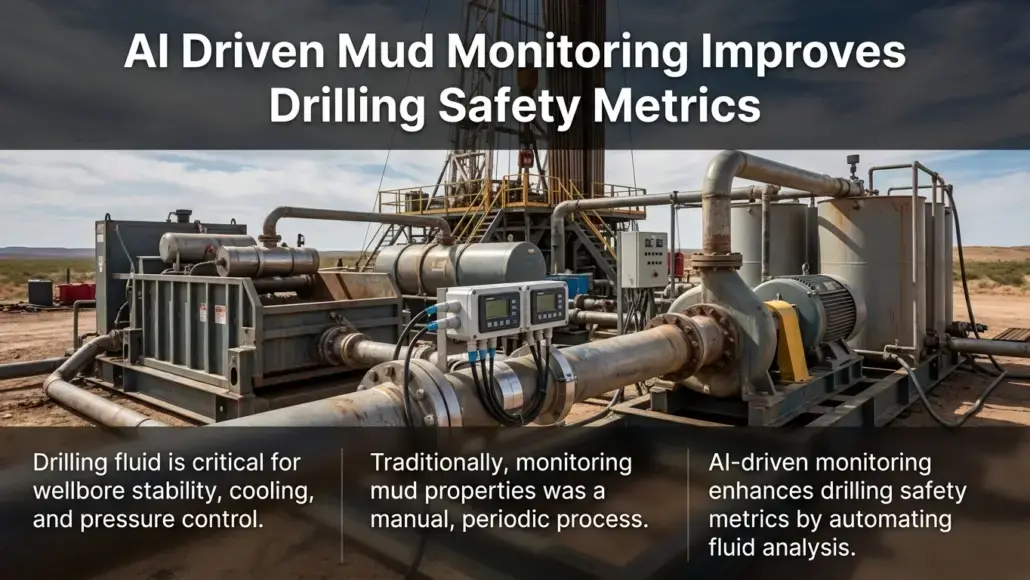
Drilling for energy resources is a delicate balancing act where the stability of the wellbore depends heavily on the properties of the drilling fluid, commonly known as mud. This fluid serves multiple critical functions, including cooling the drill bit, carrying rock cuttings to the surface, and, most importantly, providing the hydrostatic pressure needed to prevent reservoir fluids from entering the well. Traditionally, the monitoring of mud properties was a manual process involving periodic sampling and laboratory testing, which could leave operators unaware of rapid changes in downhole conditions. However, the introduction of AI driven mud monitoring is transforming this process by providing a continuous and automated analysis of fluid properties in real time.
Oil & Gas Advancement observes that by integrating sensors directly into the mud circulation system and using artificial intelligence to analyze the data, drilling teams can now detect subtle changes in density, viscosity, and chemical composition as they happen. This transition is a major advancement in wellbore safety technology, as it allows for the immediate identification of potential issues such as kicks or lost circulation. The goal is to move from a reactive approach to mud management toward a proactive and predictive model that enhances offshore drilling integrity and significantly improves safety metrics. To achieve the necessary response times in deepwater environments, these intelligent safety systems are increasingly deployed on subsea edge computing architectures that eliminate the delays of surface communication.
The push for these systems is part of a broader trend toward digital transformation in the oil and gas industry. A significant portion of this investment is being directed toward real time monitoring and automation technologies that can improve the performance and safety of drilling operations. As companies face more challenging geological environments and stricter regulatory requirements, the ability to manage drilling fluids with precision becomes a critical driver of success.
Enhancing Wellbore Safety with Real Time Mud Logs
Real time mud logs provide a continuous stream of data on the properties of the drilling fluid as it returns from the well. AI driven mud monitoring systems use this data to build a dynamic model of the wellbore, allowing for more accurate predictions of how the fluid will respond to different drilling parameters. For example, if the system detects a slight increase in the mud weight returning from the well, it can immediately alert the driller to a possible influx of reservoir fluid. This early warning allows the team to take corrective action before the situation becomes a full blown kick, which can save millions of dollars in lost rig time and prevent a significant safety incident.
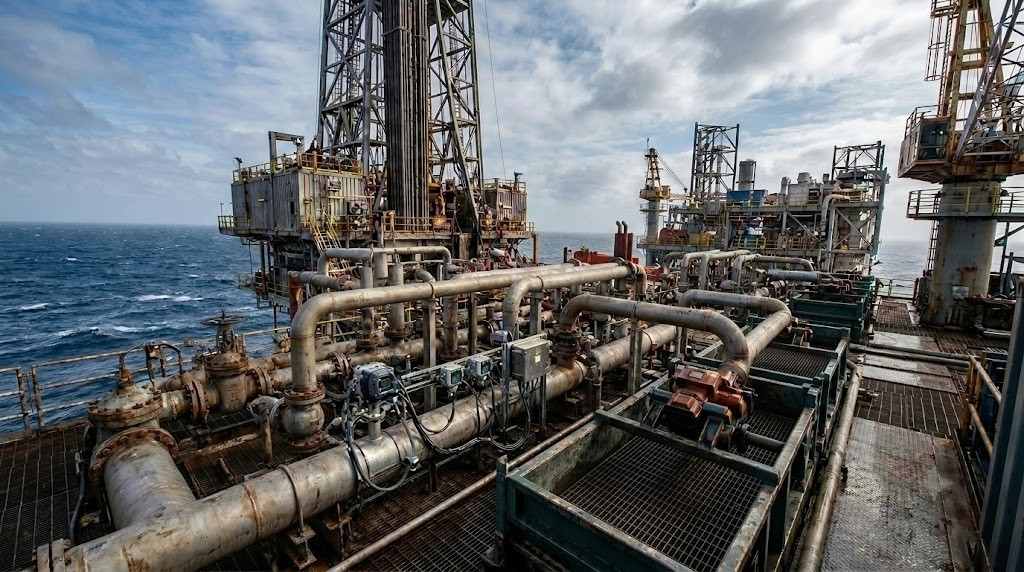
The use of AI also allows for more sophisticated analysis of the rock cuttings carried by the mud. By using computer vision and other advanced techniques, the system can provide a real time analysis of the geological formations being drilled, helping to identify potential hazards such as gas pockets or unstable rock layers. This provides the drilling team with a much clearer picture of the downhole environment and allows them to adjust their drilling strategy more effectively. The integration of automated fluid analysis into the drilling workflow is a key part of creating a more intelligent and responsive rig environment.
The development of these technologies is also being supported by the emergence of smart drilling fluids. These are fluids that have been specially formulated with additives and sensors that allow them to react to changes in the wellbore environment. For example, some smart fluids can change their viscosity in response to a change in temperature or pressure, providing an extra layer of wellbore stability. When combined with AI driven monitoring, these fluids offer a powerful tool for managing the most complex and high risk drilling projects.
Improving Offshore Drilling Integrity
Offshore drilling is inherently more complex and risky than onshore operations, with higher costs and more significant environmental consequences in the event of a failure. Maintaining wellbore integrity is therefore a top priority for offshore operators. AI driven mud monitoring improves offshore drilling integrity by providing a more complete and accurate view of the pressure gradients within the well. By ensuring that the mud weight is always within the optimal window between the pore pressure and the fracture gradient, the system helps to prevent both kicks and the accidental fracturing of the formation.
This precision is particularly important in deepwater environments where the pressure window can be extremely narrow. In these conditions, even a small error in mud management can lead to a significant loss of well control. AI driven systems can process data from downhole tools and surface sensors to provide a more accurate and real time estimation of the equivalent circulating density of the mud. This allows for more precise control over the drilling process and reduces the risk of wellbore instability.
The move toward more automated and AI enabled systems is also improving the consistency and reliability of drilling operations. By reducing the reliance on manual measurements and human interpretation, companies can ensure that their operations are based on a consistent and objective analysis of the data. This is particularly important for managing large scale drilling campaigns where multiple rigs and crews are involved. The ability to maintain high standards of safety and efficiency across the entire organization is a major strategic advantage for the world’s leading energy companies.
Automation and Manual Labor Reduction
One of the significant benefits of AI driven mud monitoring is the reduction in manual labor and the associated human error. Traditionally, mud technicians had to spend hours every day performing repetitive tests and recording the results manually. This not only took them away from more critical tasks but also introduced the risk of data entry errors or missed readings. Automated systems can perform these tests more frequently and accurately, providing a more reliable record of the mud’s performance throughout the drilling operation.
The use of generative AI agents is also helping to automate the extraction and digitalization of mud report data. These agents can read through daily mud reports and extract key information into a structured database, making it easier for engineers to analyze the data and identify trends. This move toward more automated and data driven reporting is a key part of the broader digitalization of the drilling industry. By 2026, it is expected that drilling teams will be moving from reactive to more proactive and predictive approaches, thanks to these AI enabled monitoring and automation tools.
The reduction in manual labor also has a positive impact on the safety of the crew. By automating the sampling and testing of drilling fluids, companies can reduce the time that employees spend in hazardous areas of the rig. This is part of a wider effort in the industry to use technology to move people out of harm’s way and to create a more efficient and sustainable work environment. The goal is to create a more resilient and sustainable energy industry that can meet the growing demand for resources while maintaining the highest standards of safety and environmental protection.
Overcoming Challenges in AI Deployment
While the potential of AI driven mud monitoring is clear, there are still several challenges that need to be addressed. One of the main hurdles is the quality and consistency of the data. Sensors in the drilling environment are subject to extreme temperatures, pressures, and vibration, which can lead to failures or inaccurate readings. Maintaining a reliable sensor network is therefore a major technical challenge that requires a significant investment in hardware and maintenance.
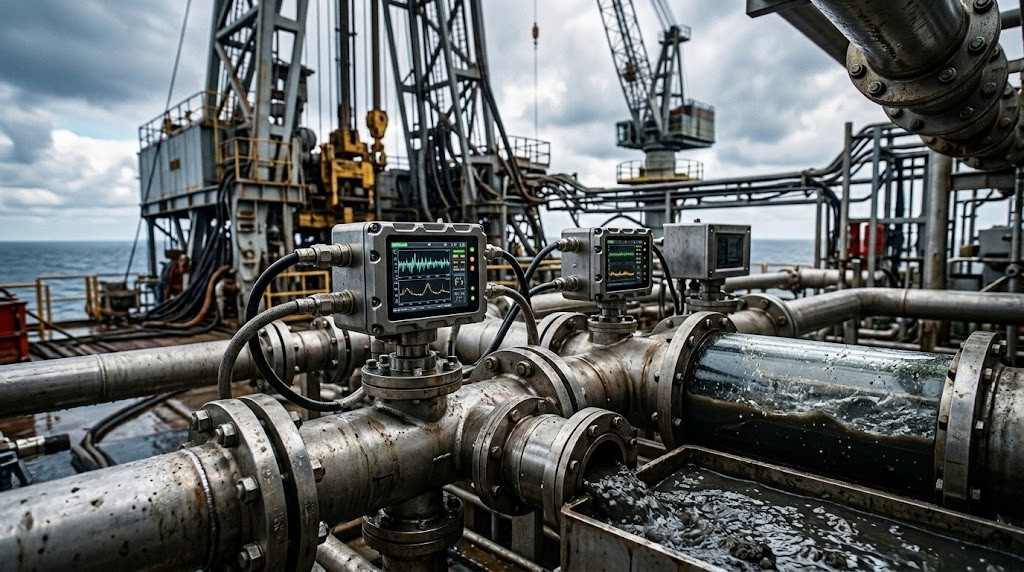
Another consideration is the need for specialized skills to operate and maintain these systems. Drilling teams must include professionals who are not only experts in fluid mechanics and geology but also in data science and AI programming. This multidisciplinary approach to drilling is a significant change for the industry and requires a major investment in training and recruitment. Many companies are partnering with technology providers and academic institutions to develop the talent they need to lead the next generation of drilling operations.
Integration with existing rig systems is also a major challenge. Many older rigs were not designed with the infrastructure needed to support high speed data transmission and advanced analytics. Upgrading these rigs can be a costly and time consuming process, especially for offshore units where the cost of downtime is high. However, the long term benefits of improved safety and efficiency are drive many operators to make these investments as part of their broader digital transformation strategy.
Industry Titans Accelerating AI Integration and Automated Fluids Intelligence in Deepwater Well Construction
The shift toward predictive, automated well construction outlined in the article is being actualized by major oilfield service providers and offshore operators deploying closed-loop digital workflows. Baker Hughes has consolidated automated fluids and hydraulics management within its newly commercialized Kantori™ autonomous platform, while SLB launched Stream™ high-speed mud-pulse telemetry to eliminate downhole communication latencies during high-risk drilling operations.
Concurrently, Halliburton upgraded its LOGIX® platform with predictive machine learning algorithms to proactively adapt downhole parameters and safeguard wellbore integrity. In hardware and sensor instrumentation, NOV deployed real-time downhole 4D acoustic caliper solutions to detect formation stress and wellbore deformation early, as offshore operators like Equinor validated these systems in deepwater settings by drilling benchmark autonomous well sections offshore Brazil. Together, these official commercial rollouts demonstrate that continuous fluid analytics, automated parameter adjustment, and rig-floor automation are now standard operational imperatives for global energy developers.
The Future of Smart Drilling Fluids
The future of smart drilling fluids will be characterized by the integration of molecular level sensing and intervention. We are seeing the development of fluids that contain nanoparticles capable of reporting their location and status from deep within the wellbore. These particles can also be used to selectively seal off high permeability zones or to strengthen the wellbore wall, providing a more active and responsive approach to drilling stability.
As artificial intelligence continues to advance, the capabilities of AI driven mud monitoring systems will expand even further. We can expect to see systems that can not only detect problems but also autonomously adjust the properties of the mud in real time to compensate for changes in downhole conditions. This move toward more intelligent and autonomous drilling systems is the next frontier of energy sector innovation. By optimizing every aspect of the drilling process, companies can reduce their environmental footprint and improve the long term sustainability of their operations.
The growth of the oil and gas automation market is a clear sign of this trend. With the market expected to grow significantly over the upcoming years, the push for move automated and intelligent operations is well underway. AI driven mud monitoring will remain a critical part of this evolution, providing the foundational safety and efficiency needed for a more modern and resilient energy industry.
References
- Baker Hughes
- SLB
- Halliburton
- NOV
- Equinor
