








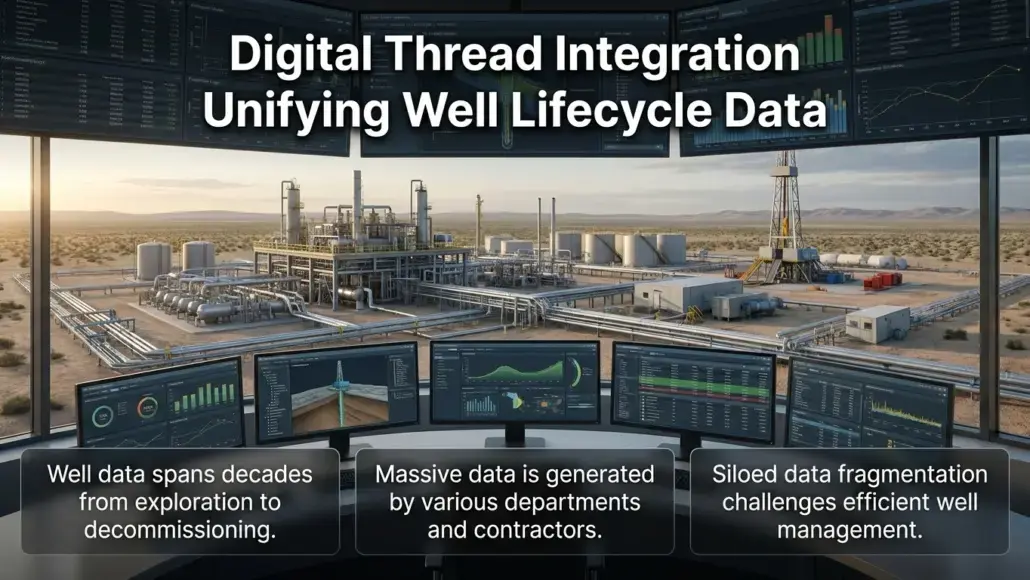
The lifecycle of an oil or gas well spans decades, from the initial seismic exploration and drilling phase through years of production and eventually to decommissioning and abandonment. Throughout this long journey, a massive amount of data is generated by various departments, contractors, and service providers.
Traditionally, this information has been stored in separate silos, with drilling records often disconnected from production logs and maintenance histories. This fragmentation makes it difficult for operators to gain a holistic view of their assets and can lead to missed opportunities for optimization. However, the implementation of digital thread integration is beginning to bridge these gaps, creating a continuous flow of information that unifies well lifecycle data.
A digital thread is essentially a communication framework that allows for a connected data flow and integrated view of an asset’s data throughout its entire lifecycle. Oil & Gas Advancement observes that by linking every piece of information, from the original geological models to the final abandonment reports, companies can ensure that their decisions are based on a complete and accurate understanding of the well’s history.
This transition is a critical step in modern oilfield asset management, as it enables more sophisticated analytics and improves the reliability of long term production forecasts. The goal is to move away from isolated snapshots of data and toward a dynamic and integrated digital representation of the physical well. The foundation of this integrated data stream is often established during the exploration phase through quantum seismic processing, which provides the initial high resolution subsurface models.
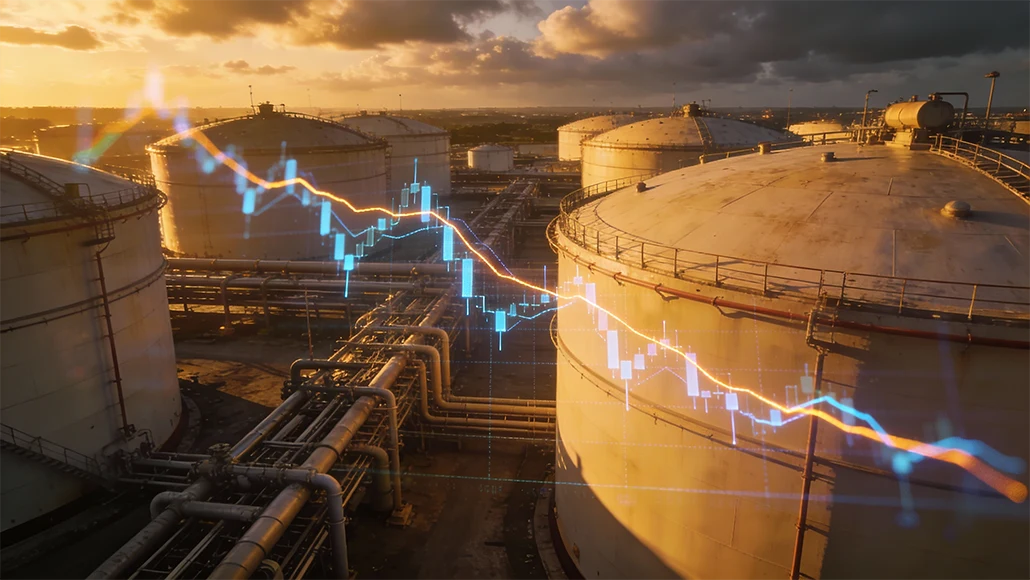
The growth of the digital thread market reflects the industry’s commitment to this level of integration. This massive expansion is being driven by the need for more efficient manufacturing and operational processes across several industrial sectors, with the energy industry being a major early adopter. Oil & Gas Advancement observes that as oil and gas companies seek to maximize the value of their assets and reduce their operational risks, the ability to maintain a clear and connected record of every well becomes a vital strategic advantage.
Connecting Drilling Records with Production Logs
One of the most important aspects of digital thread integration is the connection between the drilling and production phases of a well. In the past, the data collected during drilling, such as rock properties, pressure profiles, and casing designs, was often handed over to the production team in a static format that was difficult to use for ongoing operations.
By creating a digital thread, this information remains active and accessible, providing the context needed to interpret production data more accurately. For example, a sudden drop in production can be more easily explained if the engineers have immediate access to the drilling records that show the specific geological challenges encountered during the construction of the well.
This connectivity also allows for more effective well integrity management. By tracking the materials and procedures used during the drilling and completion phase, operators can more accurately predict when and where integrity issues might arise. This proactive approach to maintenance can significantly reduce the risk of leaks or other failures that could lead to environmental damage or production halts. The ability to link production logs with historical intervention data also provides a more complete view of how the well is responding to different stimulation treatments, helping to optimize future workover operations.
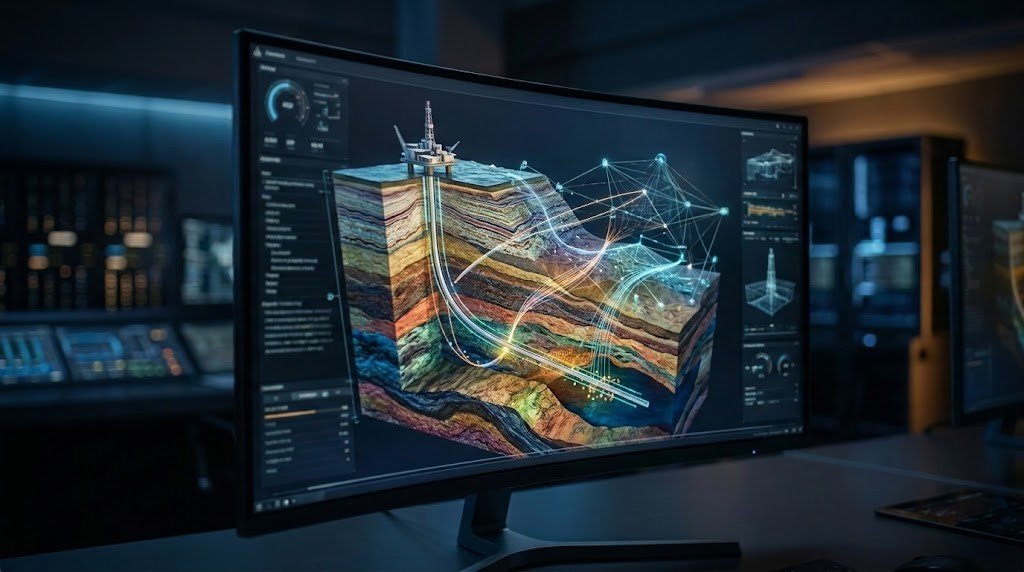
The use of digital twins is a key part of this integration strategy. A digital twin is a virtual model of the physical well that is updated in real time with data from sensors and logs. By 2025, digital twin frameworks for oil and gas processing plants and wells are expected to become more widespread, providing a platform for simulating the impact of different operational scenarios. This allows engineers to test the effect of a change in production rates or an intervention before they implement it in the field, reducing the risk and uncertainty associated with complex well operations.
Improving Long Term Oilfield Asset Management
Oilfield asset management is fundamentally about balancing the need for immediate production with the long term health and value of the reservoir. Digital thread integration supports this by providing a more complete picture of how the entire field is performing over time. By unifying data from multiple wells, operators can identify trends and patterns that might not be visible when looking at individual assets in isolation. This allows for more effective reservoir management and a more strategic approach to field development.
The integration of data also simplifies the process of regulatory compliance. Governments and environmental agencies require detailed reporting on the history and status of every well, and maintaining these records manually can be a massive administrative burden. A digital thread provides an automated and searchable record of every activity associated with a well, ensuring that the company can quickly and accurately respond to any request for information. This transparency is also important for maintaining the trust of investors and the public as the industry faces increasing scrutiny over its long term environmental and social impact.
The economic benefits of improved asset management are substantial. Research suggests that digital strategies could save the oil and gas industry more than 320 billion dollars between 2026 and 2030, with a significant portion of these savings coming from better management of existing assets. By extending the life of a well and maximizing its recovery factor, companies can significantly improve the return on their initial investment. In a market where new discoveries are becoming more difficult and expensive to find, the ability to get more value out of existing fields is a major competitive advantage.
Breaking Down Data Silos in Energy Operations
The primary obstacle to achieving full digital thread integration is the persistence of data silos within energy organizations. Many companies have grown through acquisitions and mergers, leading to a patchwork of different systems and standards that are difficult to integrate. Breaking down these silos requires not only the right technology but also a significant cultural shift within the organization. Employees must be encouraged to share their data and to use the information provided by other departments to improve their own decision making.
Data unification tech is playing a key role in this transition. These tools are designed to extract data from diverse sources and normalize it into a consistent format that can be used across the entire organization. This allows for more effective collaboration between different teams and ensures that everyone is working from the same set of facts. The goal is to create a seamless flow of information that spans the entire value chain, from exploration and production to transport and refining.
The move toward more integrated operations is also being supported by the adoption of cloud based platforms. By moving their data to the cloud, companies can make it accessible to employees and partners anywhere in the world, facilitating more effective remote collaboration. This is particularly important for managing remote offshore or international operations where the expertise required to solve a specific problem may be located thousands of miles away. The ability to access a complete and connected record of a well from any location is a major driver of efficiency and speed in the modern energy industry.
Overcoming Technical Challenges in Data Integration
Integrating decades of data from a wide range of sources is a massive technical challenge. Much of the older data may be in paper format or in obsolete digital files that are difficult to read. Converting this information into a modern, searchable format requires a significant investment in data digitization and management. Companies are increasingly using artificial intelligence and machine learning to automate the process of extracting and classifying information from historical records, significantly reducing the time and cost required to build a comprehensive digital thread.
Standardization is another major consideration. For data to flow seamlessly between different systems, it must be based on common standards and protocols. The industry is working together through various associations and initiatives to develop these standards, but progress can be slow. Successful companies are those that take a proactive approach to data governance, establishing clear rules and procedures for how data is collected, stored, and shared within their organization.
Security is also a top priority when integrating such large volumes of sensitive data. Companies must ensure that their digital thread is protected from cyber threats and that access is limited to authorized personnel. This requires a robust cybersecurity strategy that includes encryption, multi factor authentication, and regular audits of the system’s integrity. As the industry becomes more dependent on digital technologies, the need for a secure and resilient data infrastructure becomes even more critical.
Unifying the Upstream Energy Lifecycle Through Connected Digital Threads and Data Foundations
Global energy operators and service providers are actively operationalizing digital thread strategies to eliminate legacy data silos and unify asset data from initial engineering to late-life production. Service leaders Halliburton and SLB have deployed closed-loop digital architectures, exemplified by Halliburton’s end-to-end wellsite digital execution workflows and SLB’s Electris™ and Tela™ systems, to seamlessly feed subsurface models directly into real-time surface operations and lifetime completions tracking. Simultaneously, Baker Hughes expanded the capabilities of its cloud-native Leucipa™ platform in collaboration with Repsol to integrate fragmented intervention logs, lift telemetry, and production metrics into a consolidated operational interface.
On the asset owner and infrastructure engineering front, TotalEnergies broadened its deployment of Cognite Data Fusion® to scale unified digital twins and AI across 36 upstream assets, while Aker Solutions expanded its Aker Digital Alliance ecosystem to embed standardized information models and 3D digital twins throughout multi-decade asset delivery and operational lifecycles. Together, these enterprise initiatives prove that real-time data integration and continuous digital threads are becoming fundamental to maximizing recovery, mitigating mechanical risk, and extending long-term well integrity across the global energy sector.
The Future of Well Lifecycle Management
The future of well lifecycle management will be defined by the increasing use of artificial intelligence and advanced analytics to drive decision making. As the digital thread becomes more complete and accurate, companies will be able to use machine learning to predict the performance of their wells and identify potential issues long before they occur. We can expect to see the emergence of autonomous well management systems that can adjust production rates and injection parameters in real time based on the data provided by the digital thread.
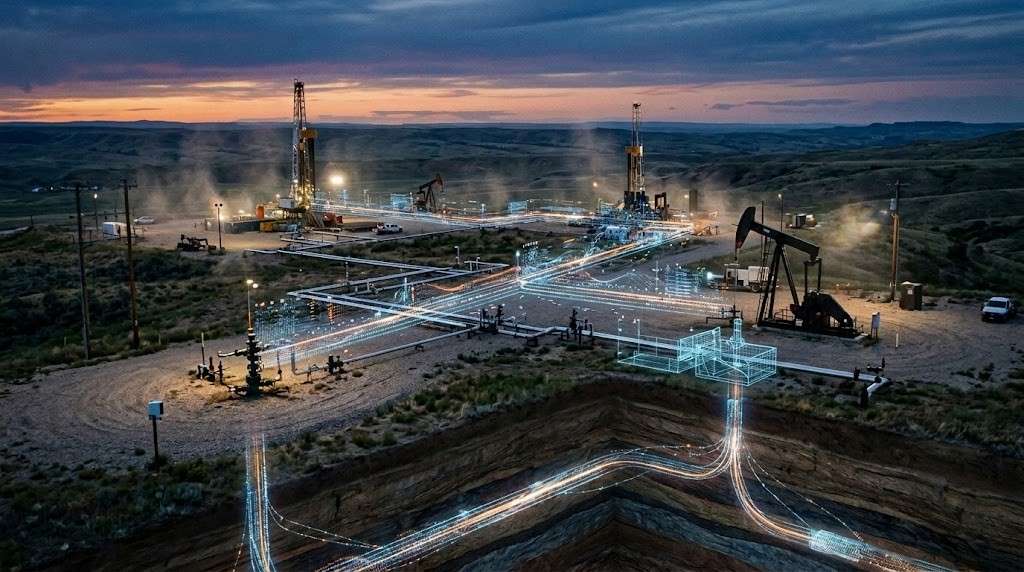
This move toward more intelligent and autonomous operations will further improve the efficiency and sustainability of the industry. Oil & Gas Advancement believes that by optimizing every aspect of the well’s lifecycle, companies can reduce their energy consumption and minimize their environmental footprint. The ability to accurately predict the end of a well’s life also allows for more effective planning for decommissioning and abandonment, ensuring that the site is restored in a safe and responsible manner.
The growth of the digital oil field services market is a strong indicator of the demand for these types of integrated solutions. Oil & Gas Advancement believes that digital thread integration will remain a critical part of this evolution, providing the foundational data that powers a more modern and efficient energy industry. The companies that lead the way in adopting these technologies will be the ones that are best positioned to thrive in the decades to come.
References
- SLB (Schlumberger Limited)
- TotalEnergies SE
- Baker Hughes Company
- Halliburton Company
- Aker Solutions ASA
