OTC Asia 2026

Upstream

      Carbon Management Approaches in Offshore Operations

      Addressing the carbon footprint of maritime energy production requires a comprehensive suite of carbon management approaches in offshore operations. By integrating carbon capture and storage with emissions reduction technologies, the industry is transitioning toward more sustainable offshore production models that align with global climate objectives.

      Offshore Drilling Innovations Improving Operational Safety

      Continuous advancements in maritime technology focus on offshore drilling innovations designed to mitigate high-risk environments and enhance personnel protection. By integrating robotic control systems and sensor-driven feedback loops, the industry is moving toward a future where operational safety is fundamentally built into the infrastructure of well construction.

      Floating Production Systems Shaping Offshore Projects

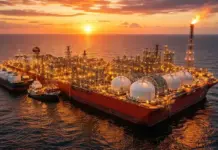
      The strategic deployment of floating production systems is reshaping global maritime energy projects by unlocking deepwater production opportunities and enhancing overall project economics. These versatile floating facilities enable flexible development across diverse geographical regions, providing a reliable alternative to fixed platforms.

      Subsea Technology Advancements Driving Offshore Production

      Modern offshore production relies heavily on subsea technology advancements that prioritize enhanced reliability, cost efficiency, and digital subsea monitoring. These innovations enable operators to access deepwater developments and maximize recovery from complex reservoirs through smarter subsea systems.

      Offshore Asset Integrity Management in Aging Fields

      Maintaining operational safety and structural stability in maturing maritime environments requires a sophisticated approach to offshore asset integrity management. By focusing on asset lifecycle management and integrity engineering, operators can ensure compliance and extend the productive life of infrastructure within aging offshore fields.

      Digital Transformation Reshaping Offshore Oil and Gas

      The rapid adoption of digital transformation within the offshore oil and gas industry is fundamentally changing operational paradigms through AI-driven workflows and connected assets. By leveraging data analytics and offshore automation, companies are achieving unprecedented levels of efficiency and safety in remote maritime environments.

      Offshore Energy Transition Strategies in Asian Markets

      The shifting landscape of Asian offshore energy markets focuses on low carbon development and offshore electrification to align traditional oil and gas operations with global sustainability targets. This transition is characterized by a dual-track approach that integrates renewable infrastructure with decarbonized fossil fuel extraction to maintain regional energy security.

      Subscribe Our Newsletter

      White Papers

      Embedded SSD Flash Management

      This white paper will explore NAND flash technology and its inherent problems, and explain how proper flash management algorithms can address these issues and...

      Enterprise SSD: More Than Just a New Kind of Hard Drive

      SSDs deliver unmatched data center performance. As solid-state drives (SSDs) are increasingly deployed throughout the enterprise, data center and IT managers need to fully...

      Efficiency, Visibility and Reliability Keys to lower costs and greater profitability in oil and gas operations

      Falling oil prices and collapsing profit margins are driving the industry to lower costs. Reducing labor costs and gaining supplier concessions can help, but...

      Don’t Miss the Unconventional Resource Revolution’s Next Wave

      It's s time for operators developing North America's  unconventional oil and gas reservoirs to embrace a new business model. Today, the typical business model...