


















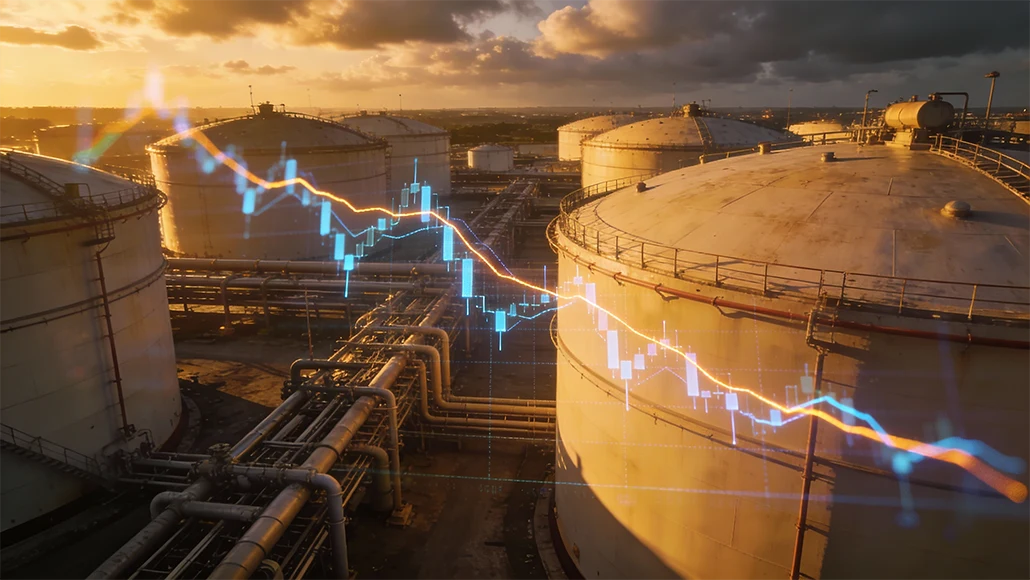
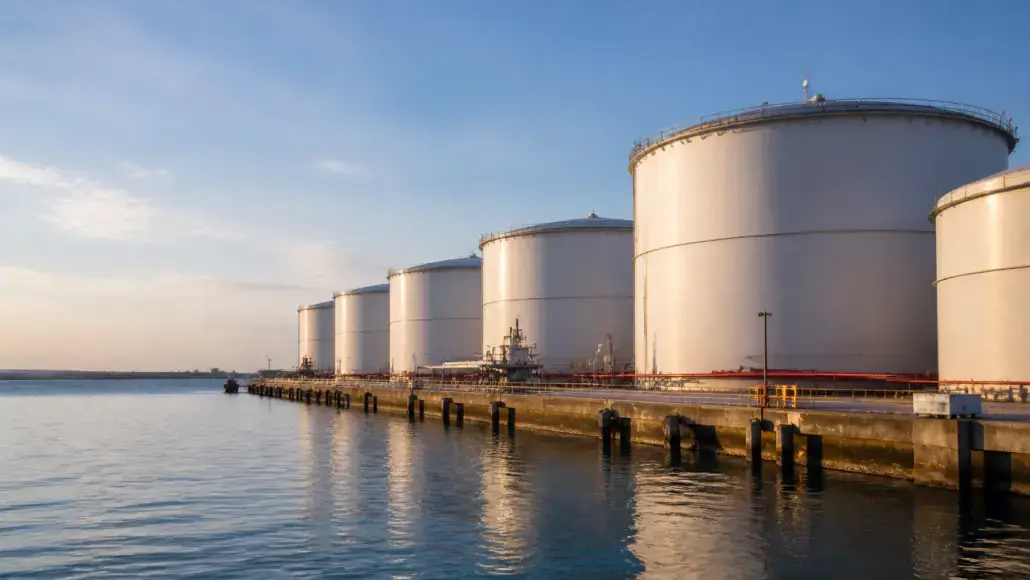
Japan’s government on 26th August 2026 announced a broad policy package aimed at reinforcing the country’s energy supply structure, with a particular focus on diversifying oil procurement sources and backing pipeline construction in crude-producing nations as the conflict in the Middle East continues. The package was presented during a government meeting on green transformation at Prime Minister Sanae Takaichi’s office in Tokyo.
Alongside measures to secure oil supplies, the plan includes efforts to promote decarbonization and improve Japan’s energy self-sufficiency by expanding renewable and nuclear power. Takaichi said the government will confront changes in the global energy landscape head-on and protect the lives of the people and their economic activities. The announcement follows Takaichi’s decision in June 2026 to develop a plan for a more solid energy structure by the end of August 2026. She had also directed industry minister Ryosei Akazawa, who doubles as minister in charge of green transformation, to move forward with preparations.
Reducing Dependence on the Strait of Hormuz
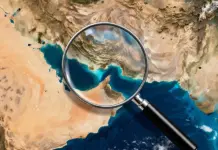
Japan’s reliance on Middle Eastern crude imports has made the country particularly vulnerable to disruption around the Strait of Hormuz. The vital oil-shipping route has been effectively closed following the U.S.-Israeli war against Iran since late February, dealing a heavy blow to the resource-poor Asian nation. Under the new plan, the government intends to encourage supply diversification by establishing a system that allows oil wholesalers and trading firms to share the additional costs associated with importing crude from regions other than the Middle East. A levy collected from wholesalers and trading companies will finance subsidies for businesses importing oil that does not pass the Strait of Hormuz.
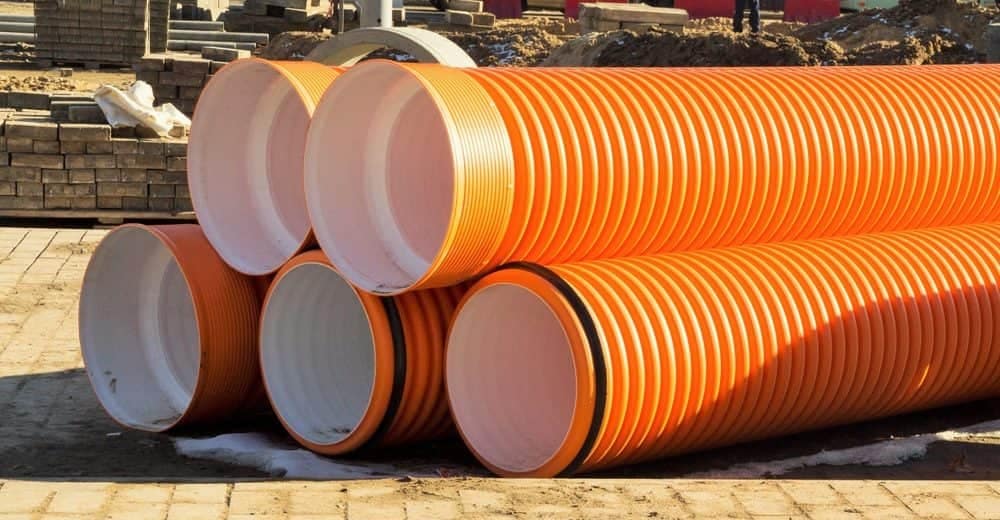
Tokyo also plans to work with Middle Eastern countries on pipeline construction designed to reduce dependence on transportation routes through the strait. The cooperation will be pursued through the government-backed Japan Organization for Metals and Energy Security, forming another part of the effort to strengthen Japan’s energy supply structure.
Naphtha Stockpiling and Supply Chain Challenges
The policy package also calls for stockpiling oil-derived naphtha, which is widely used as a raw material in plastics, packaging materials and printing ink solvent production. A shortage of naphtha has recently disrupted the business activities of many Japanese firms. However, because naphtha is highly volatile and difficult to store over long periods, the government is likely to address the requirement by securing additional crude oil that can be allocated for naphtha refining needs during a shortage or by storing it as solid petrochemical derivatives.
While the Japanese government has stated that crude oil supplies are expected to remain stable for the time being, the country still faces challenges in reviewing a supply chain that is heavily dependent on the Middle East and dealing with the higher costs associated with alternative procurement.
