








Artificial intelligence in oil and gas trade data analytics represents the single most significant technological leap in the energy sector over the last decade, fundamentally transforming how market participants interpret and act upon complex information. In an industry where seconds can equal millions of dollars, the ability to rapidly process multi-petabyte datasets, ranging from geological seismic data to real-time satellite imagery of global tanker flows, has become the new baseline for competitive survival. As we move through 2026, Oil & Gas Advancement notes that the integration of machine learning in oil and gas markets has evolved beyond simple automation into sophisticated energy market AI systems capable of autonomous decision-making and high-precision predictive modeling. For trading houses and energy producers, this tech integration is no longer a luxury but a core strategic pillar that drives both operational efficiency and sustainable profitability.
The Evolution of Intelligent Energy Markets
The journey towards AI-enhanced energy markets began with the need to manage the data deluge that resulted from the digitalization of the physical supply chain. Early analytics tools were primarily descriptive, helping firms understand what had happened in the past. Today, AI in oil and gas trade data analytics has moved into the realm of prescriptive and predictive insights, providing a forward-looking view of market dynamics that was previously impossible to achieve. By utilizing neural networks and deep learning algorithms, firms can now identify non-linear correlations between disparate variables—such as the impact of a tropical storm in the Gulf of Mexico on the demand for specific refined products in Southeast Asia—allowing for more nuanced and profitable trading strategies.
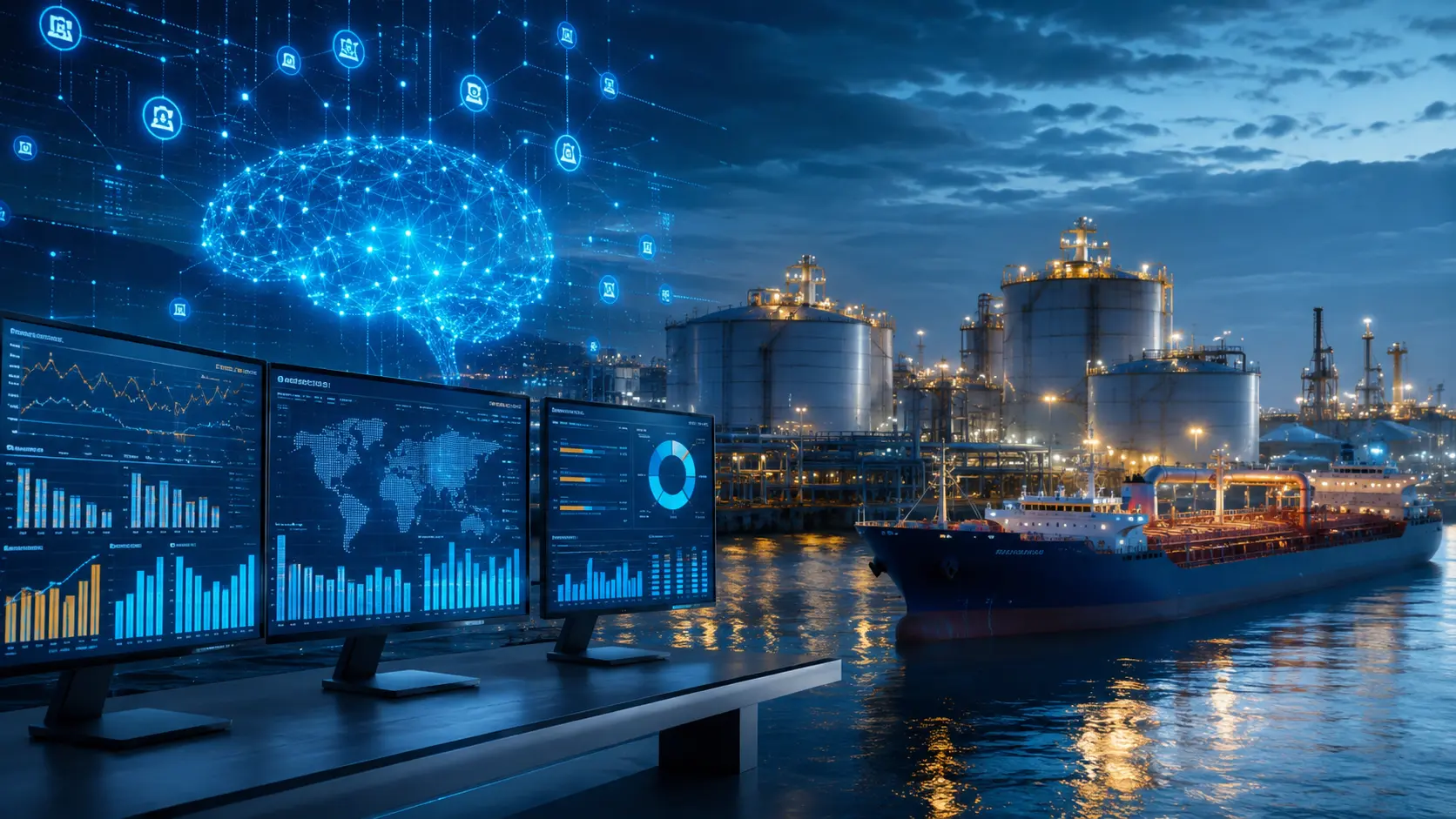
Central to this evolution is the concept of smart analytics, which combines traditional financial data with alternative data sources to create a 360-degree view of the energy landscape. Machine learning in oil markets now incorporates natural language processing (NLP) to scan thousands of news articles, diplomatic cables, and social media posts every minute, gauging market sentiment and identifying emerging geopolitical risks before they are reflected in price movements. This ability to read the room at a global scale gives AI-equipped traders a decisive edge over those relying on manual analysis or outdated reporting frameworks.
Leveraging Machine Learning in Oil and Gas Forecasting
The application of machine learning in oil and gas forecasting has revolutionized the way price volatility is managed across the entire value chain. Traditional linear models often struggled to account for the extreme fat-tail events that characterize energy markets. Modern predictive modeling tools, however, utilize sophisticated ensembles of algorithms that can adapt to changing market regimes in real-time. Whether it is forecasting the production decline of a specific shale play or predicting the impact of a new environmental regulation on carbon credit prices, these AI-driven systems provide a level of accuracy that significantly reduces the financial exposure of major energy portfolios.
Furthermore, machine learning allows for the optimization of physical operations, which in turn feeds back into the market analytics workflow. For example, AI can be used to predict the optimal maintenance schedule for a refinery, minimizing downtime and preventing sudden supply-side shocks that could disrupt the broader market. This operational intelligence is a critical component of energy market AI, as it provides a more accurate view of the physical constraints that ultimately dictate global prices. By integrating these field-level insights with high-level trading data, firms can achieve a level of market transparency that was once the exclusive domain of the world’s largest national oil companies.
From Reactive Reporting to Proactive Predictive Modeling
The shift from reactive reporting to proactive predictive modeling is one of the most visible impacts of AI enhancing energy trade data analytics. In the past, analysts spent the vast majority of their time cleaning and formatting data for end-of-day reports. Today, automated trading systems and real-time risk engines perform these tasks instantaneously, allowing human analysts to focus on high-level strategy and system oversight. This proactive stance enables firms to anticipate market movements rather than simply reacting to them, allowing for the implementation of protective hedges or the pursuit of opportunistic trades before the window of opportunity closes.
Proactive modeling also extends to the realm of supply chain optimization. AI systems can now manage the entire logistics of a global energy trade, from selecting the most efficient vessel and route to coordinating the final delivery and settlement. By analyzing historical congestion patterns at major ports and weather-related delays, these systems can minimize the risk of demurrage and other costly operational inefficiencies. This level of technical integration ensures that the physical flow of energy is as efficient as the financial flow, maximizing the overall return on investment for the trading operation.
Advanced Smart Analytics and Tech Integration
The success of AI in energy trading depends heavily on the seamless tech integration of various software platforms and data streams. A modern trading floor utilizes a data lake architecture that aggregates information from ETRM systems, market data providers, IoT sensors, and external alternative data feeds. AI in energy trade data analytics acts as the cognitive layer that sits atop this infrastructure, synthesizing the raw information into actionable intelligence.
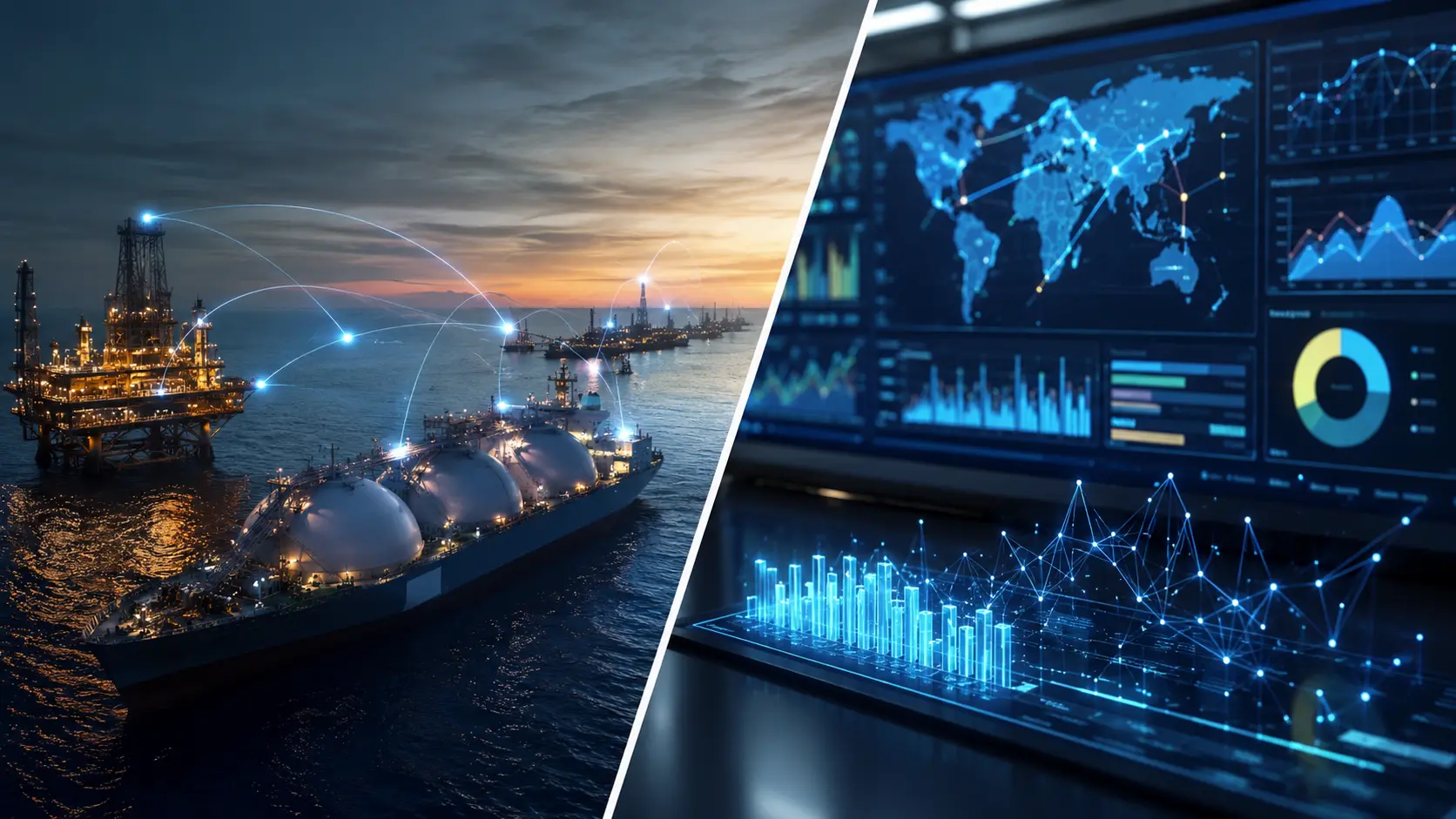
This integration eliminates the data silos that previously hindered decision-making, providing executives with a unified, real-time view of the firm’s total market position and risk profile.
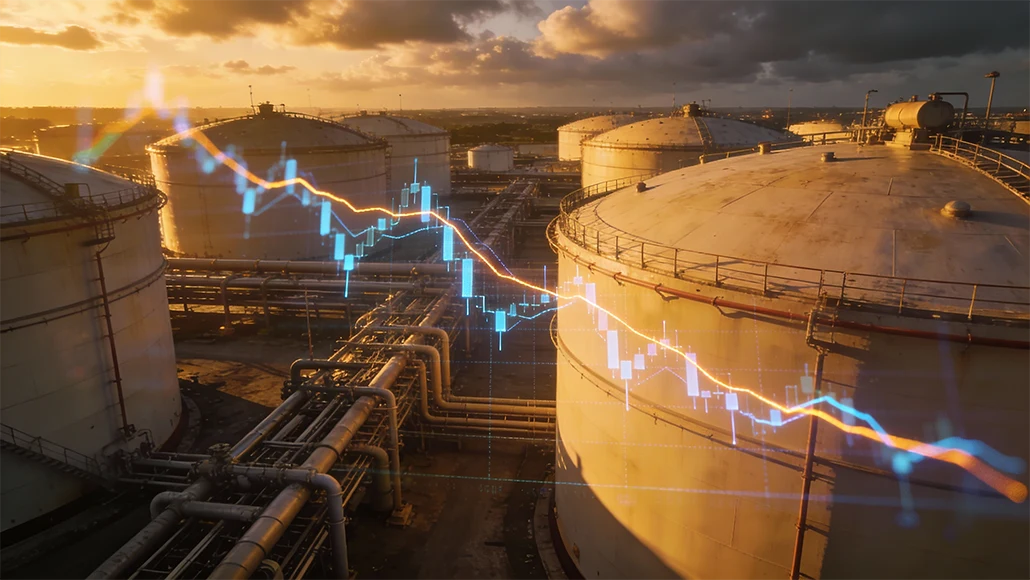
Data visualization plays a crucial role in making these complex AI-driven insights accessible to human decision-makers. Modern smart analytics platforms utilize advanced dashboarding tools to present information in an intuitive, multi-dimensional format. Instead of poring over spreadsheets, traders can view interactive maps of global tanker movements, heat maps of regional price volatility, and 3D models of inventory levels at major storage hubs. This visual approach to data analysis allows for faster pattern recognition and a more instinctive understanding of market trends, bridging the gap between machine intelligence and human intuition.
Empowering Automated Trading and Execution
Automated trading is perhaps the most direct application of AI in the energy markets, with high-frequency algorithms now responsible for a significant portion of daily liquidity. These energy market AI systems are designed to execute trades at the most favorable prices based on a complex set of pre-defined rules and real-time market signals. By removing the emotional component of trading and operating at speeds far beyond human capability, automated systems can capitalize on micro-second inefficiencies that would be impossible to capture manually. This efficiency contributes to overall market liquidity and helps to dampen volatility during periods of high uncertainty.
However, the rise of automated trading also requires a new level of risk management and oversight. Leading firms are now utilizing AI to monitor AI, deploying secondary algorithms that track the performance and behavior of their primary trading bots. These oversight systems can detect anomalous behavior or signs of model drift and automatically shut down or recalibrate the trading system to prevent catastrophic losses. This layer of automated protection is essential for maintaining the integrity of the firm’s trading operations and ensuring compliance with increasingly strict regulatory requirements regarding algorithmic market participation.
Enhancing Decision-Making with Data Visualization
Data visualization is not just about making charts look better; it is about improving the quality of the decisions being made. In the high-pressure environment of an energy trading desk, the ability to quickly synthesize information is paramount. AI in energy trade data analytics uses sophisticated visualization techniques to highlight the most relevant data points, allowing traders to focus on the signals that matter while ignoring the noise. For instance, a visualization might use color-coding to indicate which regional hubs are experiencing the highest price pressure, or use animated flows to show how a sudden supply disruption is rippling through the global network.
By providing a clear, real-time view of the market, data visualization tools also facilitate better collaboration between different departments within a firm. Risk managers, traders, and logistics coordinators can all look at the same interactive dashboard, ensuring that everyone is working from the same version of the truth. This shared situational awareness is critical for executing complex, multi-commodity strategies and for responding effectively to market crises. As AI continues to become more integrated into the energy sector, the role of advanced visualization will only grow, serving as the essential interface between human experts and the vast computational power of the machine.
The Future of Energy Market AI and Autonomous Trading
Looking toward the end of the decade, Oil & Gas Advancement highlights that the future of AI enhancing energy trade data analytics lies in the development of truly autonomous trading agents. These next-generation systems will be capable of not just executing trades, but of formulating their own complex strategies based on a deep understanding of global macroeconomic trends, geopolitical shifts, and environmental constraints. We can expect to see the emergence of self-healing supply chains, where AI systems automatically redirect cargoes and adjust hedges in response to real-time disruptions without any human intervention. This level of autonomy will represent the ultimate realization of tech integration in the energy sector.
Furthermore, the rise of decentralized energy markets and the growth of the Internet of Energy will provide even more data for AI to consume. The integration of millions of small-scale renewable energy sources, electric vehicle charging networks, and smart grid sensors will create a highly fragmented and dynamic market that only AI will be able to manage effectively. In this context, energy market AI will not just be a tool for traders. It will be the operating system for the entire global energy transition, ensuring that supply and demand are perfectly balanced in a net-zero world.
