





The global energy value chain relies on a sophisticated and highly resilient network known as integrated midstream infrastructure. This sector serves as the critical bridge between upstream production basins and downstream markets, transforming raw, multiphase hydrocarbons from the wellhead into refined, marketable products such as liquefied natural gas (LNG). In an era of shifting energy demands and tightening environmental standards, the ability to manage this transition with precision is paramount. From the initial gathering systems to the massive liquefaction trains of an export terminal, every link in this chain must be optimized for efficiency, safety, and regulatory compliance.
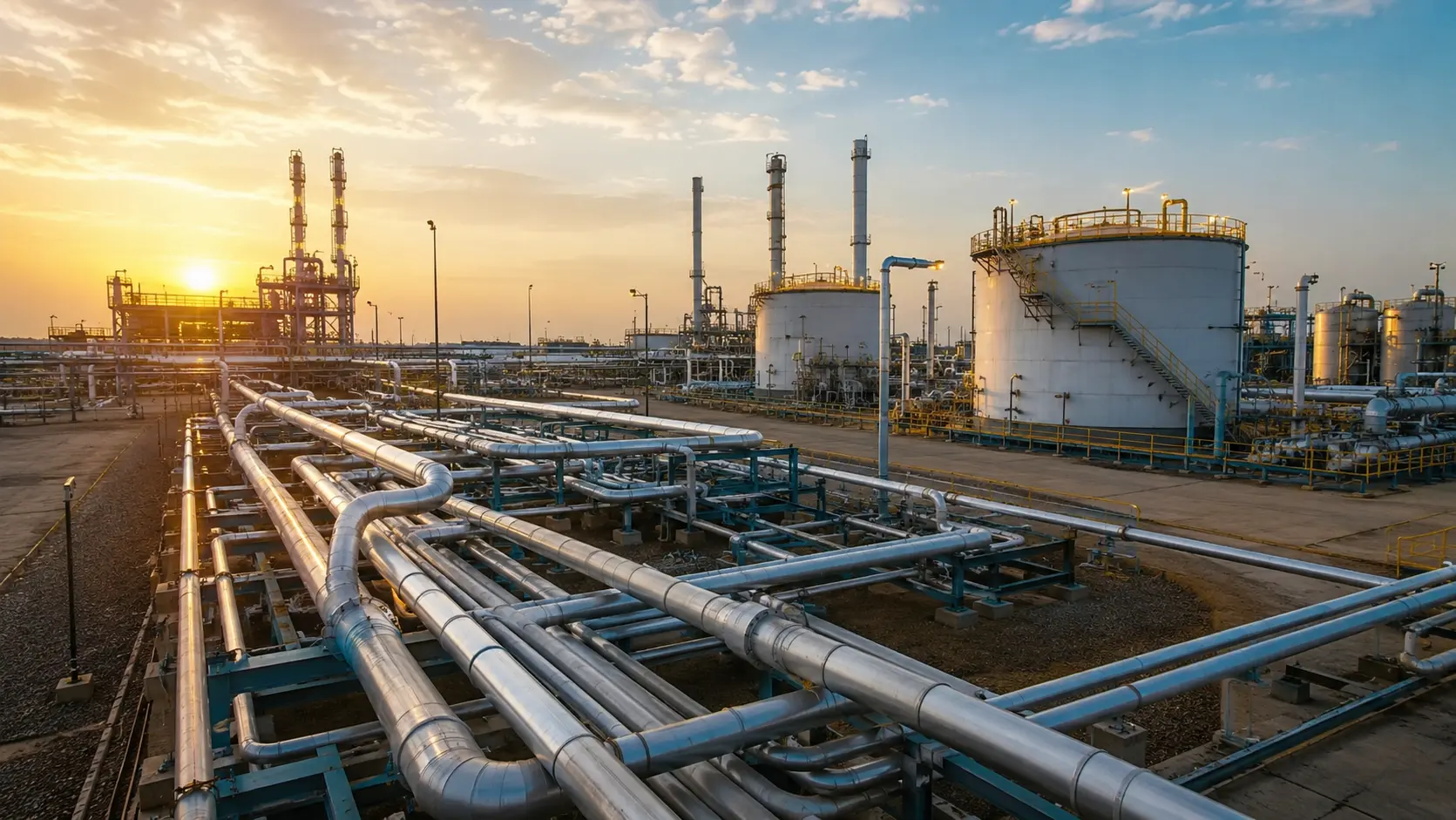
The journey begins at the wellhead, where raw natural gas and associated liquids are collected through complex gathering networks. These systems must handle multiphase flow, containing a mixture of gas, oil, water, and impurities. Integrated midstream infrastructure at this stage involves high-capacity gathering lines that operate at pressures ranging from 50 to over 1,400 psi. To prepare this raw stream for transmission, field processing is essential. Slug catchers are utilized to separate liquids from the gas stream, while triethylene glycol (TEG) dehydration units remove water vapor to prevent the formation of hydrates that could block pipelines. Furthermore, amine gas treating units—using solvents like monoethanolamine (MEA) or methyldiethanolamine (MDEA)—are deployed to remove acid gases such as hydrogen sulfide and carbon dioxide, ensuring the gas meets stringent pipeline quality specifications and preventing corrosion in downstream assets.
Processing, Fractionation, and Long-Distance Transmission
Once the gas is gathered and treated, integrated midstream infrastructure focuses on maximizing the value of the hydrocarbon stream through fractionation. Natural gas liquids (NGLs) are separated using cryogenic turbo-expander processes, which cool the gas to extremely low temperatures to condense heavier components. These liquids are then sent to fractionation towers—demethanizers, deethanizers, depropanizers, and debutanizers—where they are separated into pure streams of ethane, propane, butane, and natural gasoline. This ability to split the stream allows midstream operators to capture different market values for these products, providing a financial buffer against price volatility in the natural gas market. Each of these products has its own specialized storage and transportation requirements, adding further layers of complexity to the midstream logistics network.
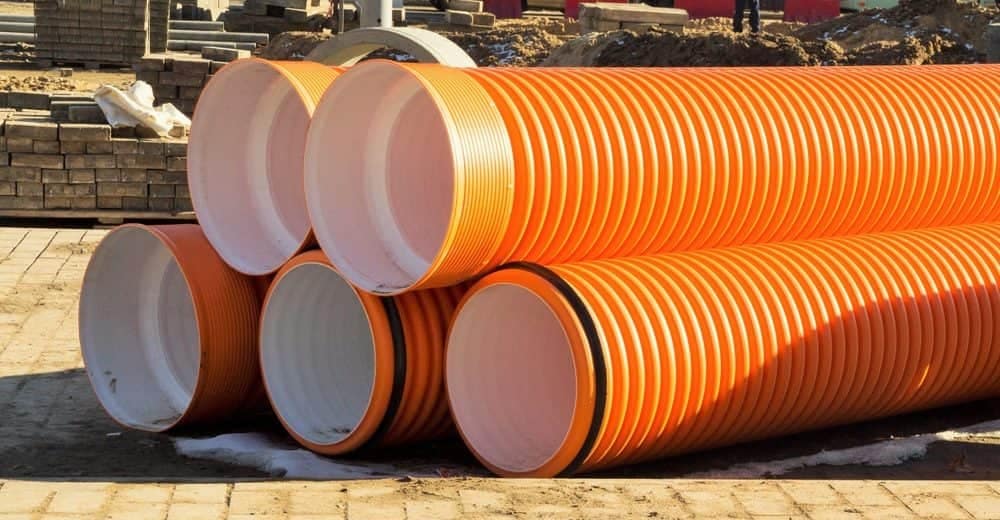
The transmission of lean, dry gas over hundreds or thousands of miles requires a massive network of high-pressure pipelines. Modern integrated midstream infrastructure utilizes API 5L Grade X70 or X80 steel, capable of withstanding operating pressures above 1,400 psi. To maintain flow rates and minimize energy consumption, operators use Drag-Reducing Agents (DRAs) and sophisticated linepack management strategies, where the pipeline itself acts as a temporary storage vessel. The integrity of these pipelines is monitored 24/7 through a combination of Supervisory Control and Data Acquisition (SCADA) systems and regular in-line inspections (ILI) using “smart pigs.” These robotic devices use Magnetic Flux Leakage (MFL), Ultrasonic Testing (UT), and Electromagnetic Acoustic Transducers (EMAT) to detect internal corrosion, metal loss, or structural defects, allowing for proactive maintenance before a failure occur, thus ensuring the safety and reliability of the energy supply.
The Technical Marvel of LNG Export Terminals
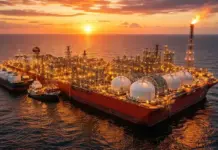
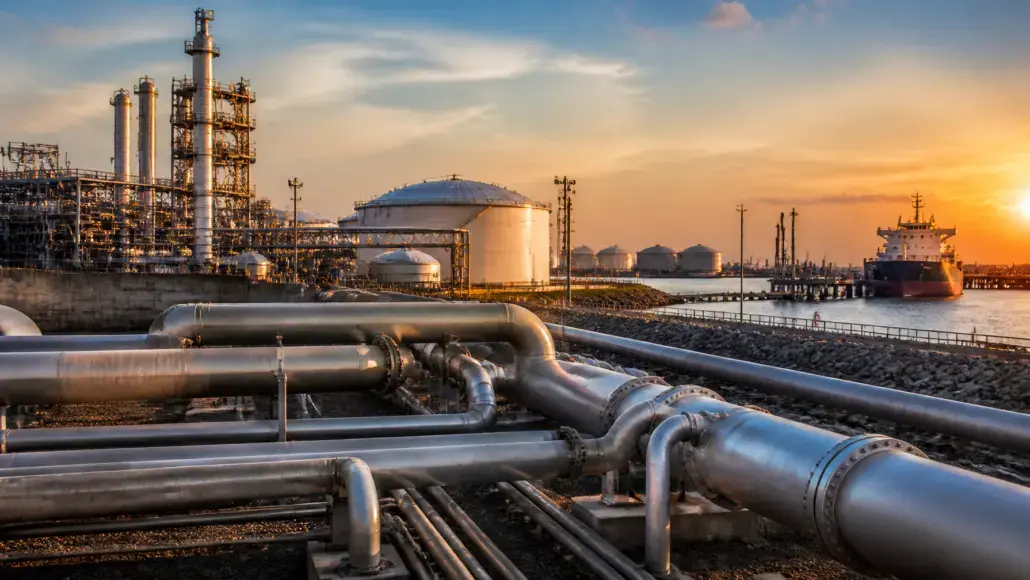
At the end of the pipeline network lies the final and most complex stage of integrated midstream infrastructure: the LNG export terminal. For gas to be shipped across oceans, it must be liquefied, a process that involves cooling the gas to -162°C (-260°F). This achieves a 600-to-1 volumetric contraction, making it economically viable to transport in specialized cryogenic tankers. Before liquefaction, however, the feedgas must undergo deep purification. Mercury must be removed to prevent the liquid metal embrittlement of aluminum heat exchangers, and carbon dioxide levels must be dropped to less than 50 ppm to prevent solid-phase freezing in the liquefaction trains. This level of purity is far beyond what is required for domestic pipeline gas, highlighting the specialized nature of LNG infrastructure.
The liquefaction process itself is an engineering masterpiece, typically employing C3MR (Propane Pre-cooled Mixed Refrigerant) or AP-SMR mixed-refrigerant cycles. The resulting LNG is stored in massive, full-containment double-walled tanks. These structures feature a 9% nickel steel inner container and a pre-stressed concrete outer shell, providing the ultimate in thermal insulation and safety. A critical aspect of integrated midstream infrastructure at the terminal is the management of Boil-Off Gas (BOG). As a small percentage of the liquid inevitably vaporizes due to heat gain, multi-stage BOG compressors and re-condensers are used to capture this gas and return it to the liquid state or use it as fuel for the facility, ensuring zero routine venting or flaring and minimizing the carbon footprint of the export process.
Regulatory Compliance and Environmental Oversight
Oil & Gas Advancement notes that the integrated midstream infrastructure operates under a rigorous regulatory regime designed to ensure public safety and environmental protection. In the United States, the Pipeline and Hazardous Materials Safety Administration (PHMSA) governs the safety of pipelines and LNG facilities under Title 49 CFR Parts 192, 193, and 195. The Safety of Gas Gathering Pipelines Rule recently expanded these requirements to thousands of miles of previously unregulated rural gathering lines. Additionally, the Federal Energy Regulatory Commission (FERC) oversees the siting and certification of interstate pipelines and export terminals, requiring thorough environmental impact assessments under NEPA.
The industry is also facing increasing pressure to reduce methane emissions across the midstream chain. The EPA’s NSPS OOOOb/EG OOOOc rules and the Methane Emissions Reduction Program (MERP) under the Inflation Reduction Act impose strict measurement, reporting, and verification (MRV) requirements. Internationally, the EU Methane Regulation sets new standards for imported energy, requiring exporters to prove their methane intensity. Integrated midstream infrastructure must now include advanced methane detection technologies, such as satellite-based hyperspectral sensors and LiDAR-equipped drones, to meet these transparency mandates and maintain the industry’s social license to operate.
Digitalization and the Drive for Decarbonization
The future of integrated midstream infrastructure is being shaped by the dual forces of digitalization and decarbonization. Digital twins are now being used to model the entire value chain from wellhead to terminal, allowing operators to optimize throughput and energy consumption in real time. For instance, AI-driven algorithms can forecast BOG generation during vessel loading, adjusting compressor speeds to maximize efficiency. Fiber optic sensing, including Distributed Acoustic Sensing (DAS) and Distributed Temperature Sensing (DTS), is being deployed along pipeline rights-of-way to provide instantaneous leak detection, strain monitoring, and the prevention of unauthorized third-party encroachments.
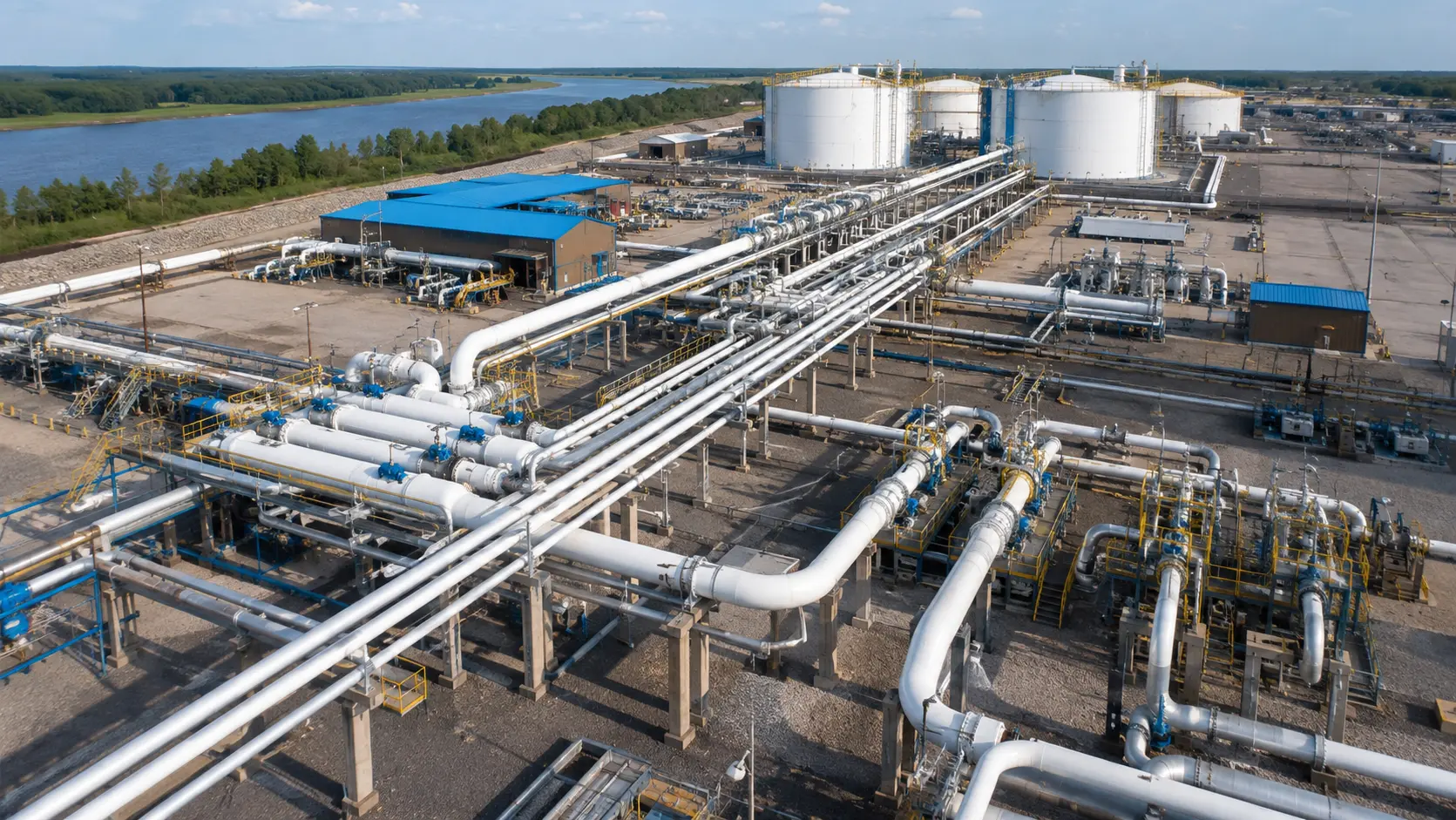
Decarbonization is also driving a shift toward “e-midstream” infrastructure. Natural gas-fired turbines, traditionally used to drive compressors, are being replaced with high-efficiency electric motor-driven compressors (e-compressors). When paired with renewable electricity, this dramatically reduces the Scope 1 emissions of the transmission network. Furthermore, the industry is evaluating the feasibility of hydrogen blending (up to 20%) into existing gas pipelines and the construction of dedicated carbon capture and storage (CCUS) takeaway lines to transport captured CO2 to saline aquifers or offshore formations. These innovations ensure that integrated midstream infrastructure remains relevant in a low-carbon world, providing the flexibility to transport the fuels of the future while maintaining the highest safety standards.
Strategic Imperatives for Midstream Operators
Success in the midstream sector requires a holistic understanding of the integrated midstream infrastructure. Operators must move beyond managing individual assets and instead focus on the optimization of the entire system from the wellhead to the global market. This requires deep technical expertise, robust regulatory management, and a forward-looking technology strategy.
The key to a resilient integrated midstream infrastructure lies in its ability to handle variability. Whether it is fluctuations in feedgas composition from different shale plays or changing demand patterns in global markets, the midstream network must be flexible and responsive. The integration of advanced processing, fractionation, and LNG technology provides the necessary tools to navigate these uncertainties while maintaining high safety and environmental standards. The ability to de-bottleneck gathering systems and optimize linepack will distinguish the leading operators in this capital-intensive field.
Oil & Gas Advancement believes that as regulatory scrutiny intensifies, midstream operators must prioritize integrity and transparency. The adoption of digital monitoring, zero-emission technologies, and automated terminal systems is no longer a competitive advantage but a baseline requirement for maintaining the social and legal license to operate. By investing in a truly integrated and modernized midstream network, companies can secure their place as the essential link in the global energy transition, ensuring the safe, efficient, and sustainable delivery of energy resources to a growing world.
