







Access Midstream has identified a need for a broad-spectrum risk model for its pipeline assets. This business need extends beyond the requirements mandated by the federal Department of Transportation (DOT) and state regulatory agencies.
Regardless of regulatory status, all pipeline assets carry some risk, and even unregulated pipelines can carry a level of risk that may require mitigation for prudent operation. In addition to providing a tool to aid in protecting Access’ assets, risk management drives health and environmental safety decisions, protecting the company’s acceptance in the communities it operates in. In other words, risk-based decision-making can enhance the company’s ability to maintain its social license to operate.
This article outlines the business needs and approach with regard to risk assessment on its pipeline assets. Access is developing an in-house risk solution that works for midstream gas and oil gathering, while still remaining flexible enough to provide the same value to its regulated transmission assets.
The focus has been on designing a model for quantitative risk assessment that employs existing. The model must distinguish between high- and low-risk lines, but should also generate almost real-time, actionable results that can be evaluated along with established risk protocols. With assets expanding quickly, the assessment tool must use automated processes that are scalable with the company’s growth.
Shale Plays
To develop a solution addressing the needs of a gathering company, traits that define the criteria for an applicable risk model must be defined. Access’ assets are primarily in shale gas plays, gathering product from single and multiple wellhead pads. The company operates in several states, including Arkansas, Kansas, Louisiana, Ohio, Oklahoma, Pennsylvania, Texas, West Virginia and Wyoming. (Figure 1).
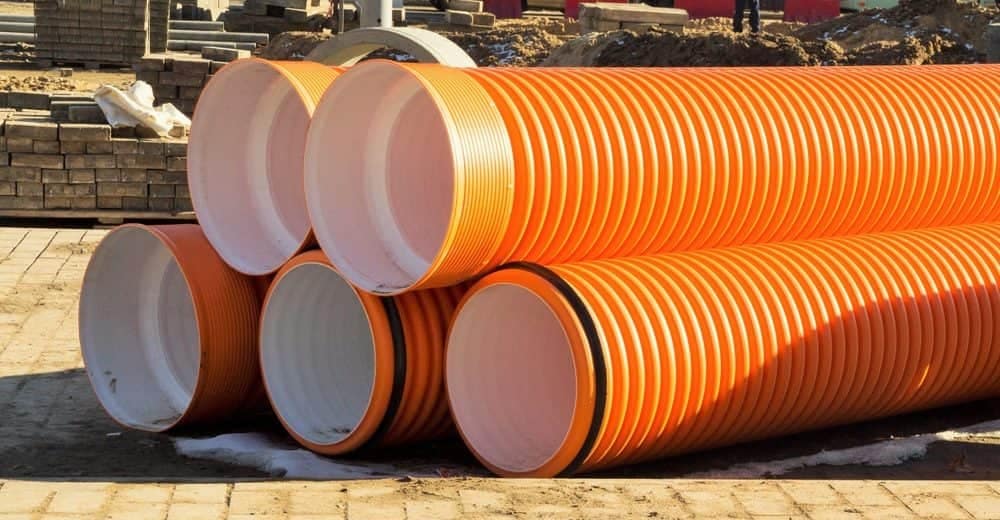
Some businesses may devote 10% or more of annual operating expenses and capital to carrying one product from Point A to Point B on a single pipeline. Others devote entire budgets to thousands of pipelines, but do so in nearly identical conditions with nearly identical products. As a diversified midstream company, Access must have a model that handles different commodities, materials, segment types and operating environments. Figures 2 through 5 illustrate the diversity of materials, products and locations that must be considered.