



















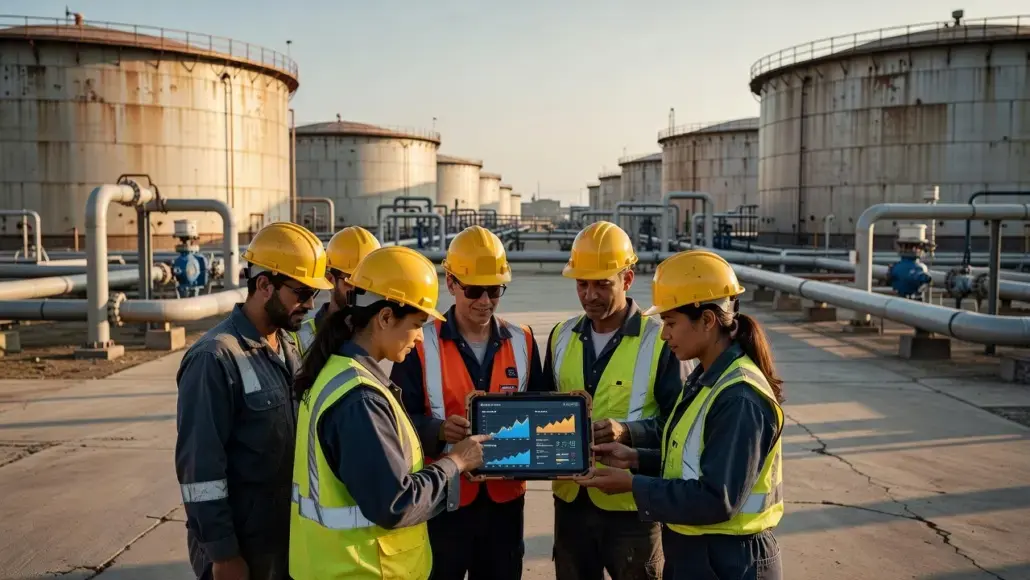
The oil and gas industry has long been a bastion of traditional engineering, but the integration of AI-powered oil storage is ushering in a new era of digital transformation. As storage terminals grow in size and complexity, the limitations of manual oversight and reactive maintenance have become increasingly apparent. Today, the deployment of artificial intelligence is not just a technological curiosity but a strategic necessity for operators seeking to maximize efficiency, ensure safety, and optimize the utilization of their high-value assets. Oil & Gas Advancement notes that by harnessing the power of machine learning and real-time data analytics, the industry is moving toward a future of autonomous, self-optimizing storage systems.
The Foundation of Intelligence: Data Acquisition and Connectivity
At the heart of AI-powered oil storage is a robust framework of data acquisition. Modern storage terminals are equipped with an array of sensors that monitor everything from tank levels and temperature to vibration in pumps and the chemical composition of vapors. This massive influx of data, often referred to as Big Data, provides the raw material that AI algorithms need to learn and make predictions. The shift from isolated silos of information to integrated, cloud-based data lakes is the first critical step in building an intelligent management system that can provide a holistic view of the entire operation.
Implementing Advanced Sensor Networks and IoT
The physical layer of AI-powered oil storage relies on the Industrial Internet of Things (IoT). These sensors are designed to withstand harsh environments and provide continuous, high-fidelity streams of data. By monitoring the structural integrity of tanks and the performance of mechanical components in real-time, operators can detect subtle changes that might indicate a developing problem. This level of granular visibility is essential for the AI to identify patterns that are invisible to the human eye, such as the early signs of corrosion or the minute fluctuations in pressure that precede a valve failure.
Edge Computing and Real-Time Processing
To handle the volume and velocity of data generated by thousands of sensors, many operators are turning to edge computing. This involves processing data locally, near the source, rather than sending everything to a centralized cloud server. Edge-based AI models can make split-second decisions, such as triggering an emergency shutdown if a critical threshold is breached, without the latency associated with remote processing. This real-time capability is a cornerstone of AI-powered oil storage , ensuring that the system can respond to dynamic conditions with unparalleled speed and accuracy.
Cybersecurity and Data Integrity
As storage terminals become more connected, the importance of cybersecurity cannot be overstated. An AI-powered oil storage is only as reliable as the data it consumes and the networks it operates on. Implementing robust encryption, multi-factor authentication, and anomaly detection algorithms is essential for protecting against cyber threats. Ensuring data integrity—that the information being analyzed is accurate and has not been tampered with—is critical for maintaining trust in the AI’s recommendations and ensuring the safe operation of the facility.
Predictive Maintenance: From Reaction to Proaction
Perhaps the most significant impact of AI-powered oil storage is the shift from reactive or schedule-based maintenance to predictive maintenance. In the traditional model, equipment is repaired when it breaks or according to a fixed calendar, which often leads to unnecessary downtime or catastrophic failures. AI models, however, can analyze historical performance data and real-time sensor inputs to predict exactly when a component is likely to fail. This allows maintenance teams to intervene at the optimal time, minimizing disruptions and extending the lifespan of the equipment.
Reducing Operational Costs and Downtime
The financial benefits of predictive maintenance are substantial. By avoiding unplanned outages and optimizing the scheduling of repair crews, operators can significantly reduce their maintenance budgets. Furthermore, AI-powered oil storage helps in prioritizing maintenance tasks based on their impact on safety and production. Instead of treating every repair with the same urgency, the system can identify which issues need immediate attention and which can be deferred, allowing for a more efficient allocation of resources and labor.
Enhancing Asset Longevity and Performance
Beyond immediate cost savings, AI-driven management contributes to the long-term health of storage assets. By operating equipment within its optimal parameters and addressing minor issues before they escalate, AI-powered oil storage helps to prevent the premature degradation of tanks, pumps, and piping systems. This proactive approach to asset management ensures that the terminal continues to perform at peak efficiency for its entire design life, maximizing the return on investment for the owner and reducing the need for costly capital replacements.
Optimizing Operations and Inventory Management
Artificial intelligence is also transforming the way oil storage terminals manage their day-to-day operations and inventory. The complex task of coordinating the arrival of tankers, managing product blending, and ensuring that the right volumes are available for discharge requires sophisticated planning. AI-powered oil storage excels at these types of optimization problems, taking into account a multitude of variables such as weather conditions, market prices, and terminal capacity to create the most efficient operational schedules possible.
Real-Time Inventory Tracking and Reconciliation
Accurate inventory management is crucial for both operational efficiency and financial reporting. AI-powered oil storage systems provide real-time visibility into the volume and quality of products stored in each tank. These systems can automatically reconcile physical measurements with transactional records, identifying discrepancies that might indicate leaks, theft, or measurement errors. By providing a single source of truth for inventory, AI helps to eliminate the manual errors and delays associated with traditional gauging and record-keeping methods.
Advanced Blending and Quality Control
Many oil terminals perform complex blending operations to meet specific customer requirements for product quality. AI algorithms can optimize these blending processes by calculating the precise proportions of different feedstocks needed to achieve the desired specifications at the lowest cost. AI-powered oil storage also monitors the quality of the stored product continuously, alerting operators if parameters such as sulfur content or viscosity drift outside of acceptable ranges. This ensures that the terminal consistently delivers products that meet or exceed customer expectations.
Scheduling and Throughput Optimization
Maximizing the throughput of a terminal is key to its profitability. AI models can analyze historical traffic patterns and real-time vessel tracking data to optimize the scheduling of berths and jetties. By predicting arrival times more accurately and streamlining the loading and unloading processes, AI-powered oil storage reduces vessel turnaround times and minimizes demurrage costs. This efficiency not only benefits the terminal operator but also provides better service to oil traders and shipping companies, enhancing the terminal’s competitive position in the market.
The Human Element: Decision Support and Strategy
While the technical capabilities of AI are impressive, the most successful implementations of AI-powered oil storage focus on augmenting human expertise rather than replacing it. AI serves as a powerful decision-support tool, providing operators with actionable insights and clear recommendations based on data that would be impossible for a human to process manually. This partnership allows terminal managers to focus on high-level strategic decisions, such as market positioning and long-term expansion, while the AI handles the granular details of daily operations.
Augmenting Operator Expertise with Actionable Insights
Modern AI interfaces are designed to be intuitive, presenting complex data in a way that is easy to understand and act upon. For instance, instead of showing a list of vibration frequencies, the system might inform an operator that a specific pump has a 90% chance of failing within the next two weeks and recommend a specific repair action. This clarity empowers the workforce, allowing even less-experienced personnel to make high-quality decisions. By providing this intelligence layer, AI-powered oil storage helps to bridge the skills gap in the industry and ensures that institutional knowledge is preserved and enhanced through digital tools.
Strategic Planning and Future Scalability
As the energy market continues to evolve, the ability to adapt is paramount. Oil & Gas Advancement believes that AI-powered oil storage provides the scalability needed to handle new challenges, such as the integration of hydrogen storage or the management of carbon capture assets. The flexibility of machine learning models means they can be retrained to handle different types of fluids and operational parameters as the terminal’s mission changes. This future-proofing is a key reason why investments in AI are considered a cornerstone of long-term strategic planning for leading oil and gas companies.
