


















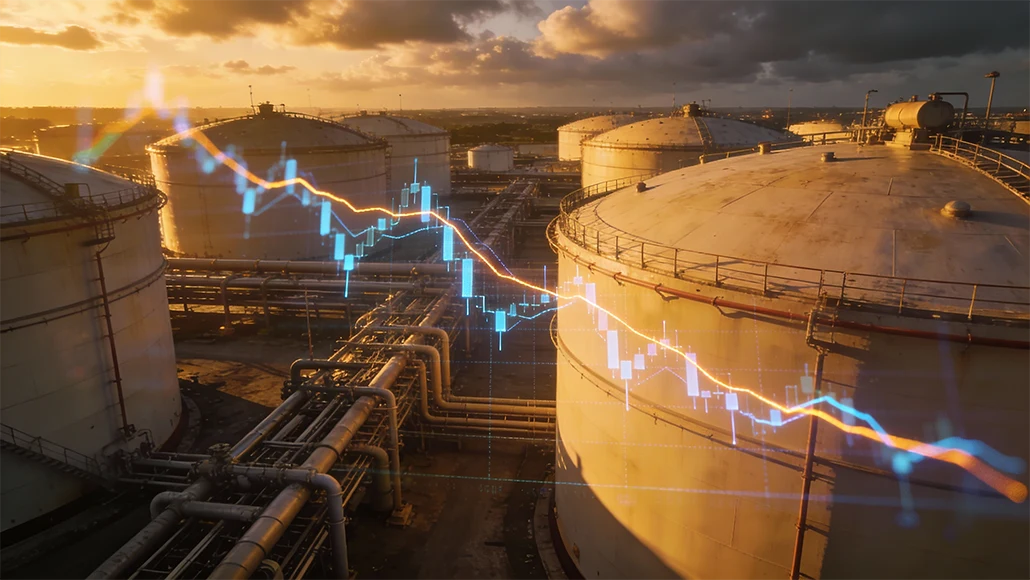
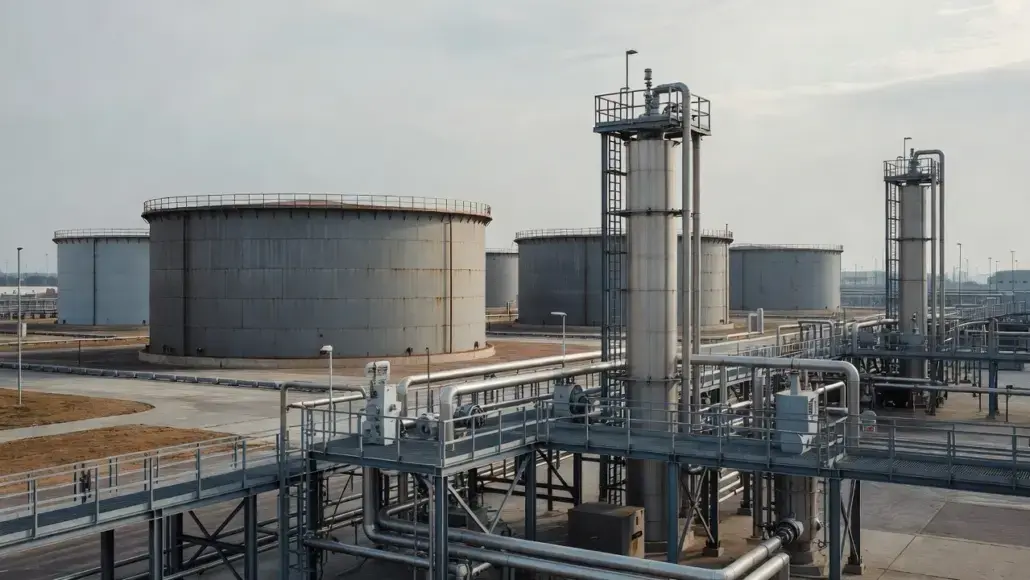
The global push toward decarbonization is fundamentally transforming every sector of the energy industry, and carbon reduction in oil storage has emerged as a critical focus area for midstream operators. As regulatory frameworks tighten and investors increasingly prioritize Environmental, Social, and Governance (ESG) criteria, the traditional model of oil terminal operations is being reimagined. Today, sustainability is not just a corporate responsibility. It is a strategic necessity for maintaining a license to operate and ensuring long-term financial viability. Oil & Gas Advancement notes that by implementing a suite of innovative strategies—ranging from energy efficiency improvements to advanced emissions control and the integration of renewable energy—the oil storage industry is taking significant strides toward a lower-carbon future.
The Drivers of Decarbonization in the Midstream Sector
The impetus for carbon reduction in oil storage is multifaceted, driven by a combination of regulatory pressure, market expectations, and technological advancements. Governments around the world are setting ambitious net-zero targets, which are translating into stricter limits on methane emissions, volatile organic compounds (VOCs), and greenhouse gas (GHG) output from industrial facilities. At the same time, the financial community is increasingly steering capital toward companies that demonstrate a clear commitment to sustainability. For terminal operators, this means that reducing their carbon footprint is essential for accessing competitive financing and maintaining the trust of stakeholders.
Regulatory Compliance and the Evolving Policy Landscape
Regulatory compliance is a primary driver for investment in carbon reduction technologies. Policies such as the EU’s Green Deal and the U.S. Inflation Reduction Act are creating both mandates and incentives for industrial decarbonization. In the context of oil storage, this often involves the mandatory installation of vapor recovery systems, more frequent leak detection and repair (LDAR) inspections, and more transparent reporting of emissions data. By staying ahead of these regulatory requirements, operators can avoid costly fines and position themselves as leaders in the transition to a sustainable energy economy.
Tackling Methane and VOC Emissions
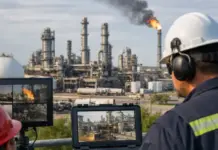
One of the most significant environmental challenges for oil terminals is the management of fugitive emissions, particularly methane and VOCs. These gases are not only potent greenhouse gases but also contribute to the formation of ground-level ozone and other air pollutants. Carbon reduction in oil storage focuses heavily on identifying and sealing leaks in valves, seals, and tank roofs. Advanced monitoring technologies, such as infrared cameras and satellite-based detection, are being used to pinpoint emission sources with unprecedented accuracy, allowing for rapid repair and a substantial reduction in the terminal’s overall environmental impact.
Implementing Vapor Recovery and Combustion Units
Vapor recovery units (VRUs) are essential for capturing the gases that would otherwise be vented into the atmosphere during tank filling or temperature fluctuations. These systems not only reduce emissions but also provide economic benefits by allowing the captured vapors to be liquefied and sold as product or used as fuel for the terminal’s own operations. In cases where vapor recovery is not feasible, high-efficiency vapor combustion units (VCUs) can be used to destroy harmful compounds with minimal CO2 output. The integration of these technologies is a cornerstone of any comprehensive strategy for carbon reduction in oil storage.
Enhancing Energy Efficiency across Terminal Operations
Energy efficiency is often the most cost-effective way to reduce the carbon footprint of an oil terminal. A significant amount of energy is consumed by pumps, heaters, and lighting, and optimizing these systems can lead to substantial reductions in both emissions and operational costs. Carbon reduction in oil storage involves a systematic approach to identifying energy-saving opportunities, from the installation of variable frequency drives (VFDs) on pumps to the implementation of automated control systems that optimize the use of heaters based on real-time ambient conditions.
Optimizing Pump and Motor Performance
Pumping is the most energy-intensive activity in a storage terminal. By replacing older, inefficient motors with high-efficiency alternatives and using VFDs to match pump speeds to actual flow requirements, operators can achieve significant energy savings. Furthermore, advanced hydraulic modeling can be used to optimize the layout of piping systems, reducing friction losses and further lowering the energy needed to move product. These technical improvements are a key component of carbon reduction in oil storage, demonstrating how operational efficiency and environmental stewardship can go hand-in-hand.
Improving Tank Insulation and Heating Systems
For terminals that store heavy crudes or fuel oils, maintaining high temperatures is essential for ensuring product flow. However, heating tanks consumes large amounts of energy. Improving tank insulation and using more efficient heating technologies, such as waste heat recovery or electric immersion heaters powered by renewables, can dramatically reduce the carbon intensity of storage operations. Carbon reduction in oil storage strategies often include a thorough audit of tank heating systems to identify where energy is being lost and where more sustainable alternatives can be implemented.
Integrating Renewables and New Energy Technologies
As the energy transition progresses, the integration of renewable energy into terminal operations is becoming increasingly common. By generating their own clean electricity on-site or purchasing it through power purchase agreements (PPAs), operators can significantly reduce their Scope 2 emissions. Furthermore, the development of new energy technologies, such as green hydrogen and carbon capture, is creating new opportunities for terminals to play a role in the broader decarbonization of the energy system.
On-Site Renewable Energy Generation
Many oil terminals have large footprints, including unused land or tank roofs, that are ideal for the installation of solar panels or wind turbines. The electricity generated by these on-site renewables can be used to power pumps, control systems, and lighting, reducing the terminal’s reliance on the grid and lowering its carbon footprint. In some cases, terminals are also exploring the use of battery energy storage systems (BESS) to store excess renewable energy for use during periods of peak demand, further enhancing their energy independence and sustainability.
Transitioning to Electric Pumping and Logistics
The electrification of terminal operations is a key trend in carbon reduction in oil storage. Replacing diesel-powered pumps and locomotives with electric versions can eliminate on-site emissions and reduce noise pollution. As the grid itself becomes cleaner, the environmental benefits of electrification will only increase. This transition requires significant investment in electrical infrastructure, but the long-term benefits in terms of reduced emissions and lower maintenance costs make it a compelling strategic choice for forward-thinking terminal operators.
The Role of Storage in the Hydrogen Economy
Looking further ahead, carbon reduction in oil storage may involve the repurposing of existing infrastructure to handle new energy carriers such as hydrogen or ammonia. As the demand for these clean fuels grows, the expertise and assets of the midstream sector will be essential for their transportation and storage. By adapting their facilities to handle hydrogen, terminal operators can ensure their continued relevance in a net-zero world and contribute to the decarbonization of the broader economy. This forward-looking approach is a vital part of a long-term strategy for sustainability.
Cultivating a Culture of Sustainability and Transparency
Finally, carbon reduction in oil storage is not just about technology; it is about people and processes. Cultivating a culture where sustainability is integrated into every aspect of the operation—from planning and engineering to daily maintenance—is essential for achieving long-term success. Furthermore, transparency in emissions reporting and engagement with local communities and other stakeholders are critical for maintaining a positive reputation and a strong social license to operate.
ESG Reporting and Stakeholder Engagement
Investors and regulators are demanding more detailed and transparent information about the environmental performance of energy infrastructure. Terminal operators are responding by adopting standardized ESG reporting frameworks and providing regular updates on their progress toward carbon reduction goals. This transparency builds trust with stakeholders and demonstrates a genuine commitment to sustainability. Carbon reduction in oil storage strategies should include a clear plan for data collection, verification, and communication, ensuring that the company’s environmental achievements are recognized and valued by the market.
Continuous Improvement and Innovation
The journey toward net-zero is an ongoing process of continuous improvement and innovation. Leading terminal operators are actively collaborating with technology providers, academic institutions, and other industry players to develop and pilot new solutions for carbon reduction. Oil & Gas Advancement believes that by fostering a culture of innovation, companies can stay at the forefront of the sustainability transition and identify new ways to improve their environmental and operational performance. This commitment to ongoing learning and development is a key differentiator in a rapidly changing energy landscape.
