














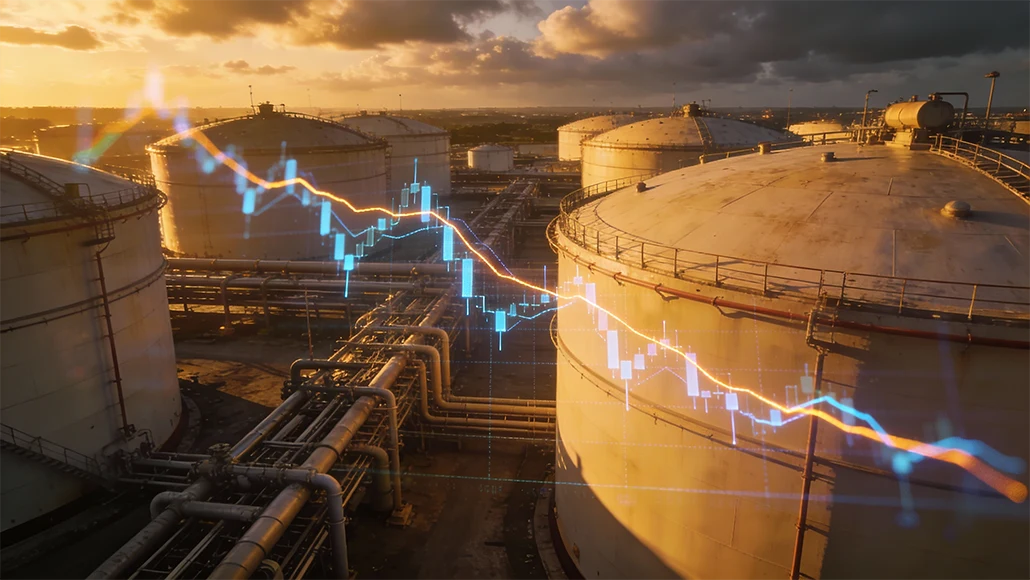
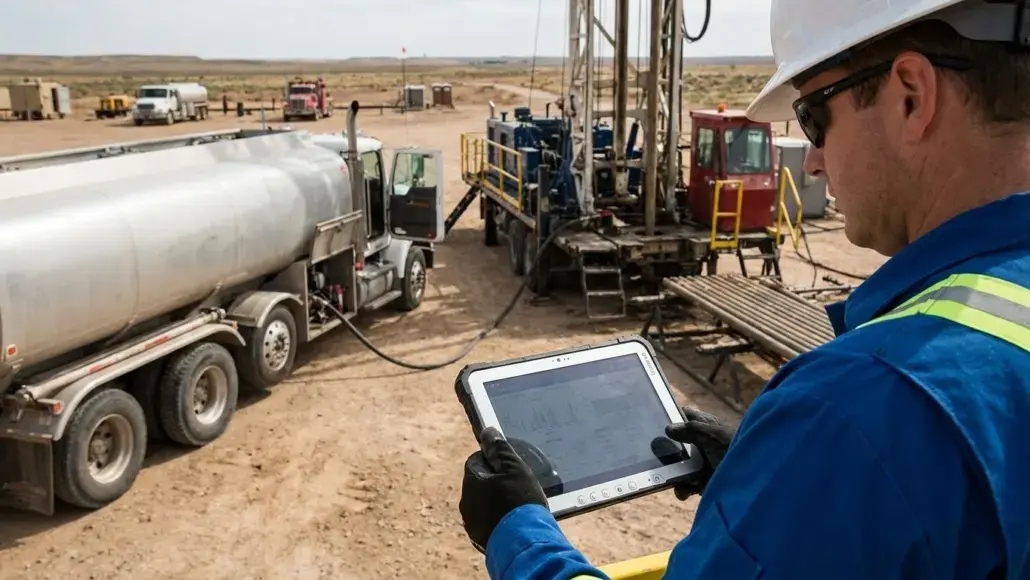
Transportation, equipment reliability, and smooth operations are key areas for oil and gas production. Whether it’s relocating people, materials, or assisting in the field, fuel is considered one of the biggest expenses for many such organizations. Effective fuel management is thus crucial for managing fuel costs, boosting productivity, and ensuring operational visibility.
Fuel management solutions are increasingly becoming digital, and they are assisting businesses in better understanding their fuel expenditure, while also streamlining administration. These technologies enable more effective decision-making and help to make the job easier day-to-day in the industry.
Fuel Management Is Becoming More Data-Driven
The typical ways of monitoring fuel usage and expenses included using paper receipts, manual data input, and regular periodic expense reviews. Although these processes were adequate, they proved to be cumbersome for identifying spending patterns, monitoring vehicle use, and identifying non-normal transactions in real time.
In today’s world, digital fuel management systems offer businesses real-time information on fuel transactions, which allows them to keep track of expenses with greater accuracy. The instant access to buying data enables managers to act promptly on unforeseen expenses, to optimize fuel budgets, and to have better control of finances.
Better Visibility Across Fleet Operations
Oil and gas companies often have extensive fleets of service vehicles, maintenance trucks, and equipment spread out across several sites. As operations grow, dealing with the associated fuel costs for these assets can get more complicated.
Digital fuel management systems give visibility into all fuel activity in the fleet. Managers will be able to see purchasing trends, fuel usage by location, and possible efficiency gains opportunities within operations. This transparency facilitates better-informed decision-making and ensures that companies have better control of expenditures related to fuel.
Improving Expense Control
Fuel prices are also subject to change, and budgeting is an everyday challenge. Minor inefficiencies in fuel buying can cost a lot over the years.
Fuel Payment Solutions for Digital Payments for fuel transactions can ease the burden on organizations in terms of administrative and accounting tasks while streamlining expense logs. Purchase monitoring and transaction verification features enhance financial accountability and ease transaction reconciliation with operations.
For many enterprises, each fleet card transaction also produces valuable data that can aid in better cost management, operational monitoring, and financial reporting.
Enhancing Operational Efficiency
A well-functioning administration is as much a required ingredient as field productivity. Manual fuel receipts and reimbursement processing take up valuable staff time and can introduce data entry errors.
Digital Fuel Management Systems can automate a lot of this activity by keeping the details of transactions in centralized databases and the details of fuel purchases electronically recorded. This decreases paperwork, streamlines accounting procedures, and allows finance departments to focus more on data analysis and less on data collection.
The outcome is a more fluid process that enables quicker reporting and effective business processes.
Supporting Compliance and Accountability
The oil and gas industry is a very controlled industry, and proper recordkeeping is a must. Keeping fuel purchasing records is organized makes it easier to keep track of financial audits, internal review and operational accountability.
Digital transaction records provide an accurate record of fuel purchases, which can be accessed at any time. Access to complete and easily retrievable records also aids organizations in enhancing their internal controls and the transparency of departments.
Turning Fuel Data Into Business Intelligence
Data analytics is becoming more and more vital for modern organizations to boost performance, and fuel management isn’t any exception. The advanced reporting capabilities enable managers to detect trends that may not be apparent in their expense reports.
A complete fleet card reporting system can help companies analyse their fuel habits, compare purchases by site, track operations, and figure out ways to be more efficient. The information can be used in strategic planning and to enable organisations to operate their fleets in an optimal way in the long term.
Preparing for the Future of Energy Operations
The oil and gas sector is undergoing a digital revolution that is changing all aspects of the business. Operational tools that help day-to-day business processes are valuable, as well as technologies like automation, predictive maintenance, and artificial intelligence.
Fuel management is a key component in reducing costs, improving visibility, and decision-making. Overall, there is a growing expectation that integrated fuel management systems will play a larger role in an organization’s overall operations as they invest in digital solutions.
Digital fuel management aids oil and gas firms to create more efficient, accountable, and resilient operations equipped to answer the calls of a swiftly changing industry by providing precise documentation of transactions, central reporting, and better financial visibility.
