








The concept of digital tank farms is revolutionizing the midstream oil and gas sector, marking a departure from traditional, siloed management practices toward an integrated, data-driven ecosystem. In an era where operational agility and safety are paramount, the ability to visualize and control entire storage networks in real-time has become a critical competitive advantage. Digital tank farms leverage the latest in Internet of Things (IoT) connectivity, cloud computing, and advanced analytics to create a digital twin of physical infrastructure, allowing operators to simulate scenarios, predict outcomes, and optimize performance with unprecedented precision. This transformation is not just about technology. It is about reshaping the culture of oil storage to be more proactive, efficient, and transparent.
The Pillars of the Digital Transformation in Storage
Oil & Gas Advancement notes that the move toward digital tank farms is built upon several core pillars that collectively enhance the way oil storage operations are conducted. The first is pervasive connectivity, where every tank, valve, pump, and pipeline is integrated into a unified digital network. The second is data-driven decision-making, which replaces intuition and experience with hard evidence derived from continuous monitoring. Finally, the third pillar is autonomous optimization, where systems can adjust themselves to maximize throughput and minimize waste without constant human intervention. Together, these elements are creating a new standard for excellence in the storage industry.
Pervasive Connectivity and the Industrial IoT
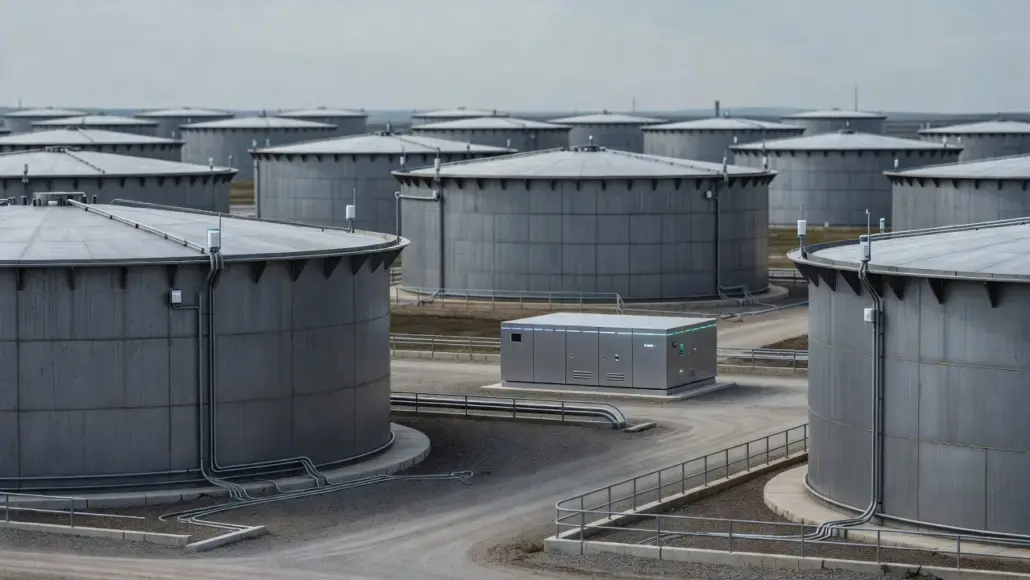
In a Digital Tank Farm, the physical world is seamlessly connected to the digital one. This is achieved through the deployment of thousands of Industrial IoT sensors that capture high-resolution data on everything from tank levels and temperature to the structural integrity of the facility. This connectivity extends beyond the terminal’s fences, integrating with satellite tracking for incoming vessels and pipeline telemetry for inbound flows. By creating this end-to-end visibility, operators can manage their assets as part of a larger, dynamic supply chain, allowing for more responsive and coordinated storage operations.
Overcoming Legacy Infrastructure Challenges
One of the biggest hurdles in creating digital tank farms is the integration of legacy equipment. Many storage terminals have infrastructure that predates the digital age, requiring creative solutions to bring them online. Retrofitting older tanks with wireless sensors and deploying gateways that can translate old industrial protocols into modern digital formats are essential steps. These efforts are paying off by extending the useful life of existing assets and ensuring that the benefits of digital transformation are not limited only to newly built facilities.
Building Resilient and Secure Networks
The reliance on digital connectivity makes the resilience and security of the network a top priority. Digital tank farms must be designed with redundant communication paths and fail-safe mechanisms to ensure that monitoring and control remain possible even in the event of hardware failures or external disruptions. Cybersecurity is equally critical, as the integration of IT and operational technology (OT) creates new vulnerabilities. Robust encryption, network segmentation, and continuous monitoring for unauthorized access are fundamental to protecting the integrity of the storage operations and the safety of the environment.
Data Analytics: Turning Information into Insight
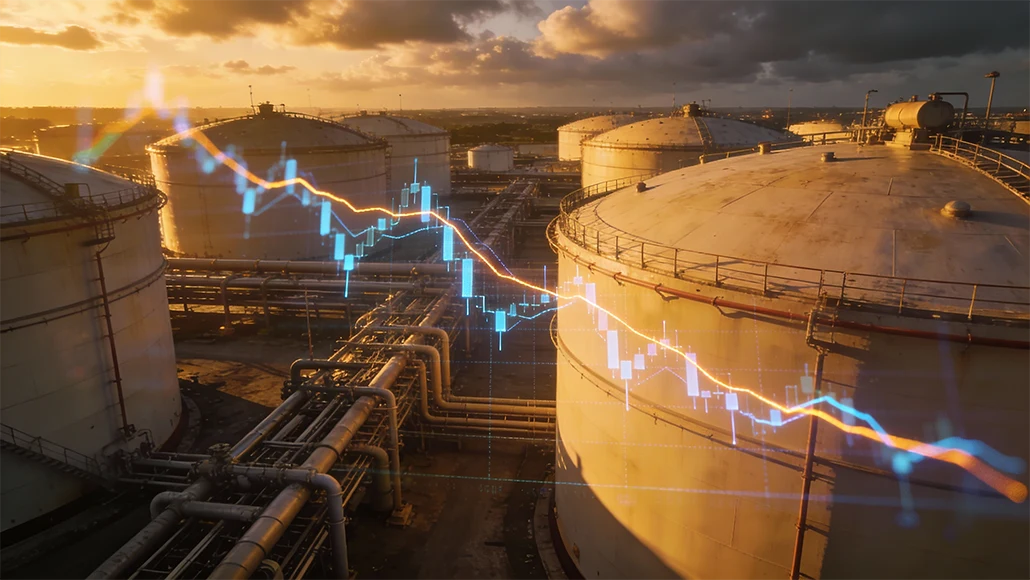
Connectivity alone is not enough; the true value of digital tank farms lies in the ability to analyze the vast amounts of data being collected. Advanced analytics platforms can process millions of data points every second, identifying trends and anomalies that would be impossible for human operators to spot. This capability allows for predictive maintenance, where potential equipment failures are identified weeks in advance, and operational optimization, where the system identifies the most efficient ways to move and store products.
The Role of Digital Twins in Simulation and Planning
A digital twin is a virtual representation of a physical tank farm that mirrors its behavior in real-time. Operators of digital tank farms use these twins to run ‘what-if’ simulations, testing the impact of different operational strategies before implementing them in the real world. For example, a digital twin can simulate how a terminal will respond to a sudden surge in demand or a change in the grade of oil being stored. This predictive capability reduces risk and allows for more confident and effective planning, ensuring that the terminal can adapt to changing market conditions with ease.
Enhancing Safety through Real-Time Monitoring and Alerts
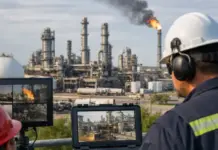
Safety is the highest priority in oil storage, and digital tank farms provide powerful new tools for risk management. Continuous monitoring of tank pressures, vapor concentrations, and structural stresses allows for early detection of potential hazards. Automated alert systems can notify personnel of dangerous conditions instantly, and in some cases, the digital management system can take corrective action automatically, such as closing valves or activating fire suppression systems. This proactive approach to safety minimizes the risk of catastrophic incidents and protects both workers and the surrounding environment.
Optimizing Asset Utilization and Operational Efficiency
The ultimate goal of digital tank farms is to maximize the value derived from storage assets while minimizing the costs of operation. This requires a relentless focus on efficiency and utilization, two areas where digital tools excel. By streamlining workflows, reducing manual interventions, and providing a clearer picture of terminal capacity, digital transformation is helping operators achieve higher throughput and better service levels for their customers.
Streamlining Inventory Management and Reconciliation
Accurate inventory tracking is a constant challenge in traditional tank farms, often involving manual gauging and time-consuming paperwork. Digital tank farms automate this process, providing a real-time, highly accurate view of inventory levels across all tanks. This automation eliminates the human errors and delays associated with manual methods and allows for instantaneous reconciliation between physical stocks and accounting records. By having a clear and up-to-date picture of inventory, operators can make better decisions about blending, shipping, and tank cleaning, leading to more efficient asset use.
Improving Vessel Turnaround Times and Demurrage Costs
The efficiency of a storage terminal is often measured at the jetty. Digital tank farms optimize the interaction between the terminal and incoming vessels by using real-time data to schedule berths more effectively and streamline the loading and unloading processes. By reducing the time a ship spends at the jetty, operators can significantly lower demurrage costs and increase the overall capacity of the terminal. This improved service not only boosts the terminal’s bottom line but also enhances its reputation with shipping companies and traders, driving more business to the facility.
Optimizing Energy Use and Carbon Footprint
Digital transformation also plays a role in the industry’s sustainability efforts. Digital tank farms can monitor and optimize the energy consumption of pumps, heaters, and other equipment, reducing the overall carbon footprint of the operation. By identifying inefficiencies in real-time and automating energy-saving measures, operators can lower their utility bills and demonstrate their commitment to environmental responsibility. This focus on sustainability is becoming increasingly important as regulators and investors place greater emphasis on the environmental performance of energy infrastructure.
Empowering the Workforce and Shaping the Future
The shift to digital tank farms is not just a technological upgrade. It is a fundamental change in how the workforce interacts with the facility. Digital tools empower employees by providing them with better information and more efficient ways of working. This doesn’t mean that human expertise is less important; rather, it means that the role of the operator is evolving from manual oversight to strategic management.
Fostering a Culture of Data-Driven Excellence
In a Digital Tank Farm, every employee from the jetty to the boardroom has access to the information they need to do their jobs more effectively. This transparency fosters a culture of accountability and continuous improvement, where decisions are based on data rather than assumptions. Training programs are essential to ensure that the workforce has the skills to use these new tools, but once implemented, digital management systems become a powerful force for employee engagement and operational excellence.
Preparing for the Next Frontier: Autonomous Storage
As digital tank farms continue to mature, Oil & Gas Advancement believes that the next frontier is the development of fully autonomous storage operations. While we are not there yet, the building blocks are being put in place today. Autonomous systems that can manage themselves with minimal human oversight will further increase efficiency and safety, allowing the industry to handle even greater volumes of energy with fewer risks and lower costs. The transformation we are seeing today is the first step toward a future where oil storage is not just digital, but truly intelligent and self-sustaining.
