






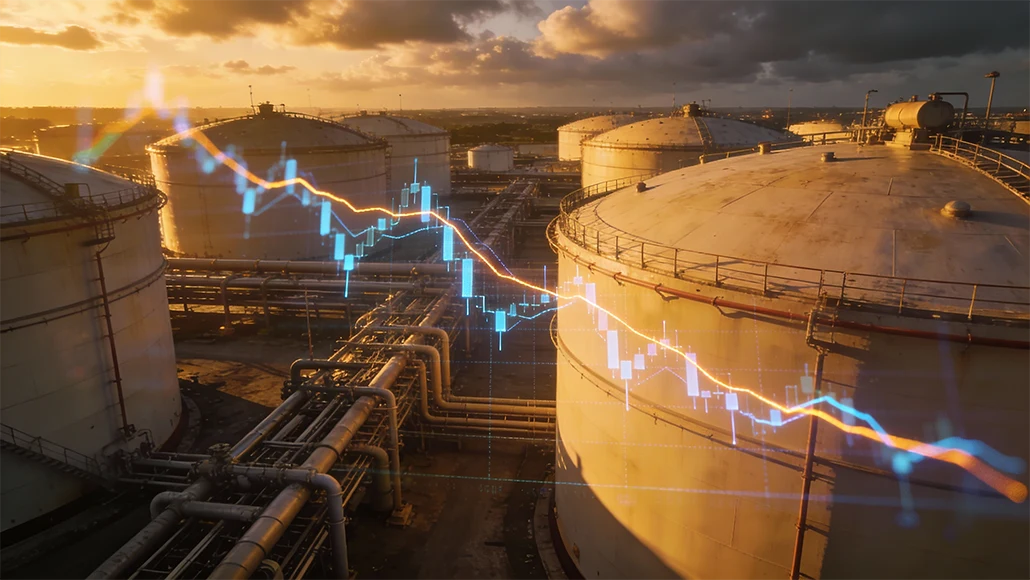
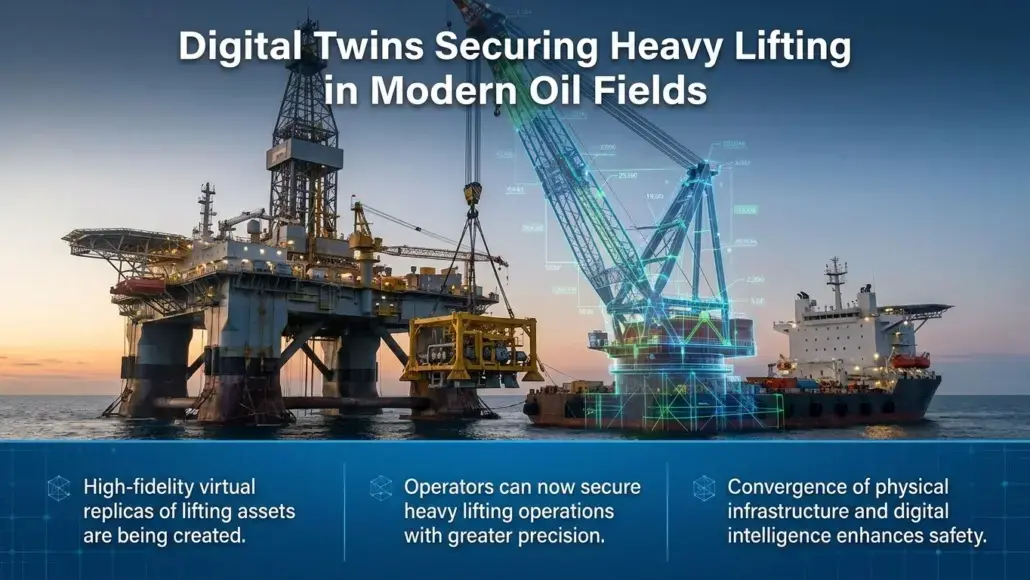
The oil and gas industry has long been defined by the sheer physical scale of its operations, where the movement of massive components, from drilling rigs to subsea manifolds, requires precision that leaves no room for error. In recent years, the convergence of physical infrastructure and digital intelligence has given rise to a transformative tool: the digital twin. By creating high-fidelity virtual replicas of lifting assets, operators are now able to secure heavy lifting in modern oil fields with a level of foresight that was previously impossible. This evolution is not merely about digitizing records. It is about the real-time synchronization of physical forces and virtual simulations, ensuring that every hoist, swing, and placement is governed by data-driven certainty.
Digital twin lifting operations represent a paradigm shift in how risk is managed in complex environments. Traditionally, lifting safety relied on static calculations, manual inspections, and the experience of seasoned crane operators. While these elements remain vital, they are now augmented by dynamic models that account for environmental variables such as wind shear, wave motion in offshore settings, and structural fatigue. This digital layer acts as a safety net, identifying potential points of failure before a single cable is tensioned, thereby protecting both high-value equipment and the lives of the workers on the ground.
The Virtual Backbone of Heavy Lifting Safety
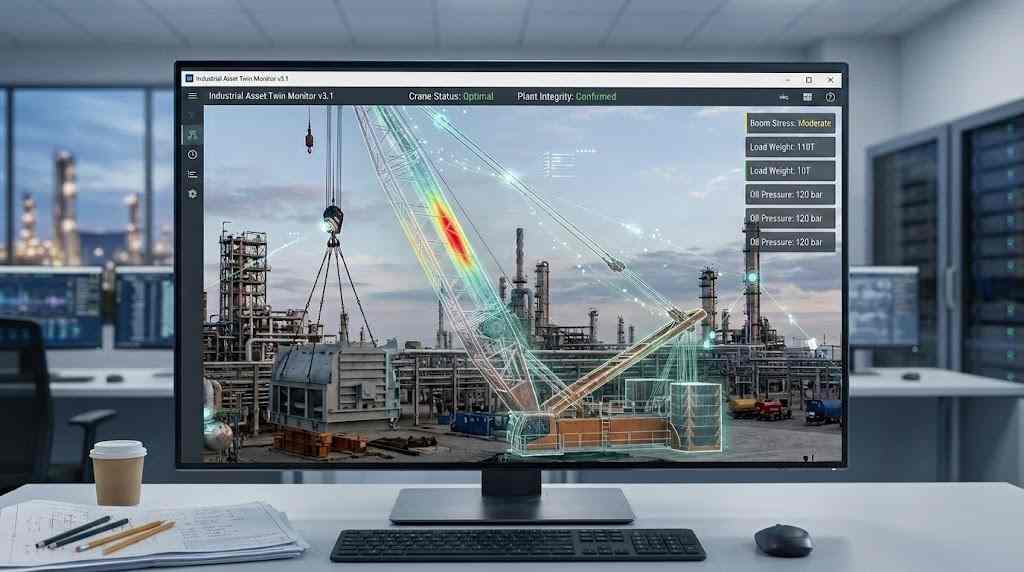
Oil & Gas Advancement notes that at the heart of this technological revolution is the ability to mirror every nuance of a physical asset within a virtual environment. A digital twin is not a static 3D model. It is a living entity fueled by a continuous stream of data from IoT sensors, historical performance logs, and environmental monitoring systems. In the context of heavy lifting, this means that every strain gauge, accelerometer, and hydraulic sensor on a crane or winch is feeding information into a centralized processing unit. This virtual backbone allows engineers to visualize the stress distribution across the entire lifting assembly in real time, providing a clear picture of how the machinery is responding to the load.
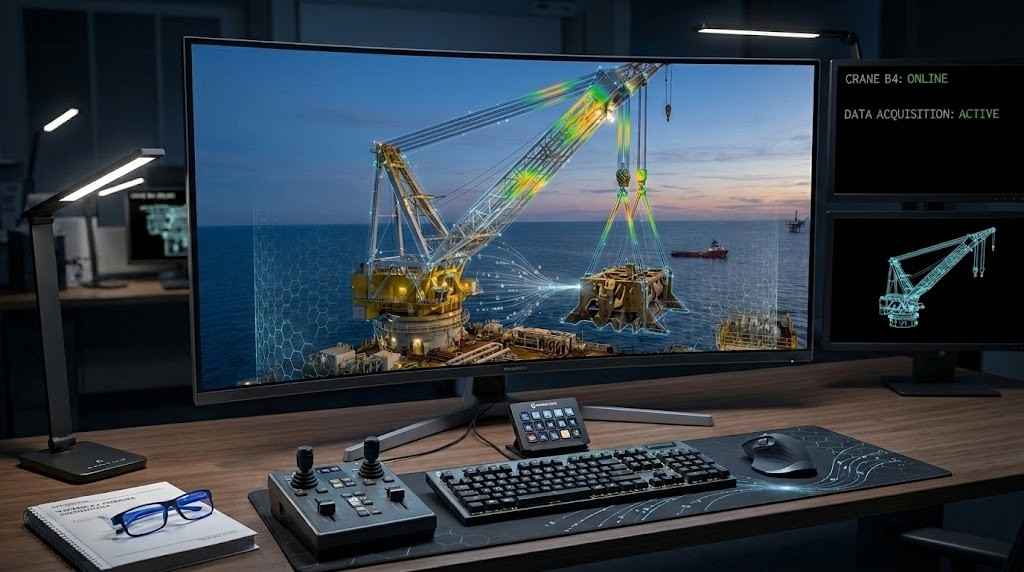
One of the most significant advantages of this approach is the ability to conduct what-if scenarios in a safe, virtual space before executing a complex lift. In modern oil fields, where terrain can be unstable or offshore platforms can be subject to unpredictable weather, the stakes are exceptionally high. By simulating a lift within the digital twin, operators can identify potential interference paths, calculate the exact center of gravity for irregular loads, and determine the optimal rigging configuration. This predictive capability reduces the likelihood of dropped objects—one of the leading causes of injuries and equipment damage in the industry—by ensuring that the physical execution is a mirror of a validated virtual success.
Real-Time Data Integration and Modeling
The effectiveness of digital twin lifting operations hinges on the seamless integration of disparate data sources. In a typical modern oil field, sensors are embedded within the hoist motors, the sheaves, and the wire ropes themselves. These sensors capture high-frequency data on tension, vibration, and temperature. When this data is mapped onto a geometric model of the crane or lifting device, it creates a high-fidelity representation of the physical state. This modeling goes beyond simple visualization; it incorporates physics-based algorithms that can detect deviations from normal behavior that might be invisible to the human eye.
Furthermore, the integration of spatial data through LiDAR and photogrammetry allows the digital twin to see the surrounding environment. This is particularly crucial in dense refinery environments or cluttered offshore decks where space is at a premium. The digital twin can map out the exact position of nearby pipes, pressure vessels, and structural members, creating a virtual exclusion zone. If a lift operator inadvertently maneuvers the load too close to an obstruction, the system can provide instant alerts or, in more advanced autonomous setups, intervene to prevent a collision. This spatial awareness is a critical component of securing heavy lifting in modern oil fields.
Predictive Analytics for Load Integrity
Beyond immediate operational safety, digital twins are revolutionizing the long-term integrity management of lifting assets. Every lift performed by a crane or winch contributes to the cumulative fatigue of its components. Traditionally, maintenance was performed on a fixed schedule or after a failure occurred. With digital twin technology, the industry is moving toward a predictive maintenance model. The virtual replica tracks the life story of each component, calculating the fatigue cycles based on the actual loads handled rather than just the number of hours in operation. This high-fidelity modeling is particularly effective when optimizing load testing for offshore oil platforms, as it allows for the simulation of extreme stress scenarios without risking physical damage to the equipment.
Predictive analytics tools within the digital twin can forecast when a wire rope might reach its breaking point or when a hydraulic cylinder might require a seal replacement. By identifying these issues weeks or months in advance, oil and gas companies can schedule repairs during planned shutdowns, avoiding the massive costs associated with unplanned downtime. More importantly, it ensures that a critical component never fails during a heavy lift, which could have catastrophic consequences. The data-driven nature of these analytics provides a level of load integrity that manual inspections alone cannot match, cementing the role of the digital twin as a cornerstone of modern industrial safety.
Implementation Strategies in Modern Oil Fields
While the benefits of digital twins are clear, the path to implementation requires a strategic approach that balances technological ambition with operational reality. The first step for many operators is the creation of a digital thread—a continuous flow of data that connects the design, manufacturing, operation, and maintenance phases of a lifting asset. This requires collaboration between OEMs (Original Equipment Manufacturers), software developers, and the end-users in the field. Establishing a standardized data architecture is essential to ensure that the information generated by a crane in the Gulf of Mexico can be analyzed and compared with a similar asset in the North Sea.
Successful implementation also relies on the human element. The transition to digital twin lifting operations requires a change in culture and a commitment to upskilling the workforce. Crane operators and riggers must be trained not only in the physical operation of the machinery but also in interpreting the insights provided by the digital twin. This collaborative approach ensures that technology enhances human expertise rather than replacing it. By fostering a culture where data is viewed as a supportive tool, companies can maximize the safety benefits of their digital investments.
Overcoming Legacy Hardware Challenges
One of the primary hurdles in deploying digital twins is the presence of legacy hardware. Many oil fields and refineries operate with cranes and lifting systems that were manufactured decades ago, long before the advent of the Internet of Things. Retrofitting these machines with the necessary sensors and connectivity modules is a complex engineering task. However, the ROI on such upgrades is often substantial. By installing modular sensor kits that capture key performance indicators, operators can bring older assets into the digital fold, extending their service life and improving their safety profile.
The challenge lies in ensuring that the data captured from legacy systems is accurate and reliable. This often requires the use of edge computing devices that can process data locally before sending it to the cloud. By filtering out noise and focusing on the most critical parameters, operators can create a functional digital twin even for older machinery. This inclusive approach to technology adoption ensures that the benefits of digital twin lifting operations are not limited to the newest facilities but can be felt across the entire global infrastructure of the oil and gas industry.
Cybersecurity and Data Sovereignty
As lifting operations become increasingly digitized, the risk of cyber threats becomes a significant concern. A digital twin is an attractive target for malicious actors, as gaining control over a virtual replica could theoretically allow someone to interfere with physical operations. Therefore, securing heavy lifting in modern oil fields also means securing the data networks that support them. Implementing robust encryption, multi-factor authentication, and secure data gateways is non-negotiable.
Data sovereignty is another critical consideration, particularly for companies operating in multiple jurisdictions. Different countries have different regulations regarding where data can be stored and who can access it. Operators must design their digital twin architectures with these legal constraints in mind, ensuring that they maintain control over their intellectual property and operational data. Oil & Gas Advancement believes that by building security and compliance into the foundation of the digital twin, companies can protect their assets from both physical and digital threats, maintaining the integrity of their global lifting operations.
Digital Simulations Safeguarding Offshore Lifting and Production
The Future Trajectory of Lifting Technology
The integration of digital twins is just the beginning of a broader transformation in heavy lifting technology. As artificial intelligence and machine learning algorithms become more sophisticated, we can expect to see digital twins that are not only reactive but also highly autonomous. Future systems may be capable of optimizing lift paths in real time, adjusting for micro-climatic changes that a human operator might not perceive. The ultimate goal is the creation of an autonomous lifting ecosystem where the digital twin serves as the brain of the operation, coordinating multiple cranes and transport vehicles with surgical precision.
Furthermore, the rise of augmented reality (AR) will allow field workers to interact with the digital twin in real time. A rigger wearing an AR headset could see a virtual overlay of the load’s center of gravity or the tension in each sling, providing them with critical safety information without needing to look at a screen. This convergence of the physical and virtual worlds will further enhance the safety and efficiency of lifting operations, making the process more intuitive and less prone to human error. The digital twin is not a destination but a platform for continuous innovation in the quest for safer, more efficient oil and gas operations.
References
- Petrobras will use a digital twin to optimize oil production and flow
- Colleague Stefan guides you through our brand-new simulators
