







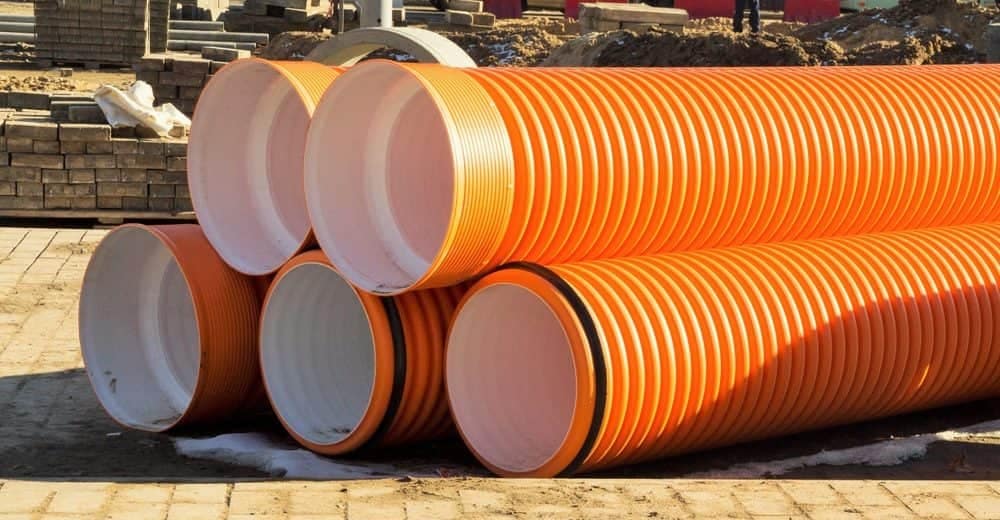





The vast, intricate networks of pipelines that crisscross our landscapes serve as the silent arteries of modern civilization, transporting everything from crude oil and natural gas to refined products and water. These critical infrastructures are indispensable for economic prosperity and societal functioning. However, their immense scale and the volatile nature of the materials they carry also present significant challenges, with leaks posing severe threats to environmental ecosystems, human safety, and operational continuity. For decades, the imperative to ensure pipeline safety has driven continuous innovation in monitoring and maintenance. Yet, it is the advent and proliferation of smart leak detection technologies that mark a truly transformative epoch in how we safeguard these vital assets. These advanced systems are not merely incremental improvements; they represent a fundamental shift, allowing operators to move beyond reactive damage control to proactive prevention and predictive maintenance. Oil & Gas Advancement sees the integration of cutting-edge sensors, sophisticated data analytics and artificial intelligence reshaping the landscape of pipeline management, making operations safer, more efficient, and environmentally responsible.
The Imperative of Unwavering Pipeline Integrity
The consequences of a pipeline leak can be catastrophic, reverberating across environmental, economic, and social spheres. Environmentally, spills can contaminate soil and water, devastate wildlife habitats, and release greenhouse gases, leading to long-term ecological damage and costly remediation efforts. Economically, leaks result in significant product loss, extensive repair expenses, regulatory fines, and potential legal liabilities. Moreover, the disruption to supply chains can impact industries reliant on the transported resources. From a safety perspective, gas leaks pose explosion and fire hazards, while hazardous liquid spills can endanger public health and safety in affected communities. These multifaceted risks underscore why pipeline safety is not merely an operational goal but a paramount societal responsibility. Traditional leak detection systems, while foundational, often rely on periodic inspections, visual checks, or basic pressure monitoring that can be slow to identify problems, especially subtle or nascent leaks. The limitations of these conventional approaches, which can lead to delayed responses and exacerbated damages, highlight the critical need for more robust, immediate, and intelligent leak detection systems. This urgent demand has propelled the rapid development and adoption of smart leak detection technologies, designed to provide unprecedented levels of vigilance and responsiveness.
Evolution from Traditional to Intelligent Monitoring
Historically, pipeline operators relied on a mix of aerial patrols, ground crews, and basic SCADA (Supervisory Control and Data Acquisition) systems for monitoring. While effective for macroscopic issues, these methods often lacked the granularity and speed required to prevent minor incidents from escalating. The transition to smart leak detection technologies signifies a leap forward, leveraging digital advancements to create a comprehensive, real-time surveillance network. These systems integrate multiple data sources and analytical capabilities, providing a holistic view of pipeline health.
Delving into Smart Leak Detection Technologies: A Comprehensive Overview
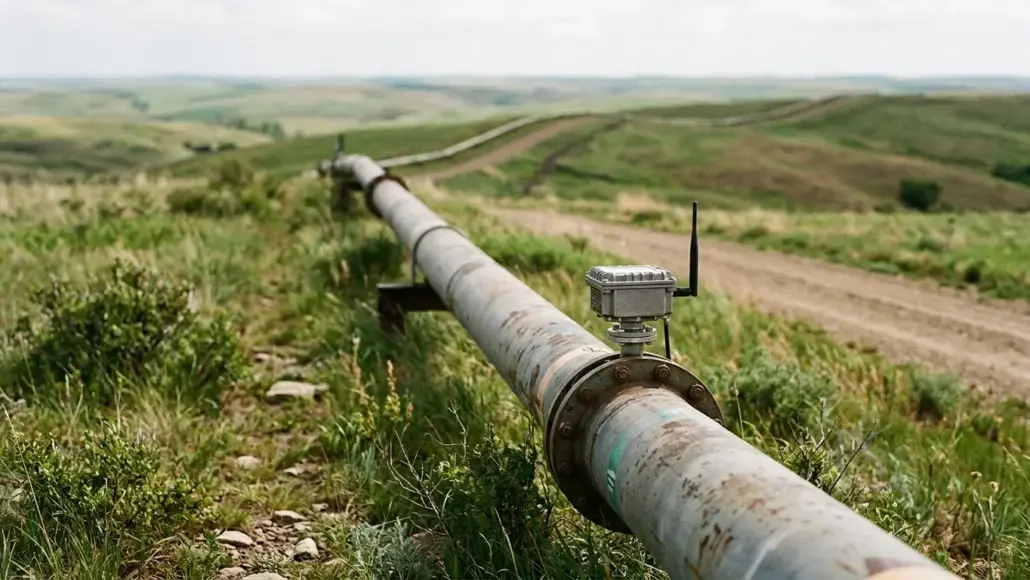
At its core, smart leak detection technologies refer to an amalgamation of advanced instrumentation, communication networks, and intelligent software algorithms designed to monitor pipeline integrity continuously and identify anomalies indicative of a leak with high precision and speed. Unlike their predecessors, these systems are characterized by their ability to collect vast amounts of data, analyze it in real-time, and provide actionable insights, often with minimal human intervention. They represent a fusion of physical sensing capabilities with advanced computational intelligence.
Key Technological Pillars Driving Modern Leak Detection
The landscape of smart leak detection technologies is diverse, incorporating several distinct methodologies, each with its unique strengths and applications.
Acoustic and Ultrasonic Sensing Systems
These systems operate on the principle of detecting the distinctive sound waves generated by escaping gas or liquid. Microphones or acoustic sensors are strategically placed along the pipeline to listen for anomalies. Leaks, even tiny ones, create specific high-frequency sounds that are imperceptible to the human ear but detectable by these sensitive instruments. Advanced algorithms then analyze these acoustic signatures, filtering out ambient noise and pinpointing the exact location of the leak. This method is particularly effective for both liquid and gas pipelines and offers a high degree of precision in localization.
Fiber Optic Sensing (FOS) Technologies
Fiber optic cables, often laid alongside or directly integrated into the pipeline, are a cornerstone of real-time pipeline monitoring. Two prominent applications within FOS are:
- Distributed Temperature Sensing (DTS): Leaking fluid, especially liquid, typically creates a localized temperature change in the surrounding soil or pipe surface. DTS systems use a fiber optic cable to measure temperature along its entire length, detecting these subtle thermal anomalies which can indicate a leak.
- Distributed Acoustic Sensing (DAS): Similar to acoustic sensors, DAS technology transforms a standard fiber optic cable into a continuous array of virtual microphones. It detects vibrations and acoustic events along the pipeline, including the distinct sounds of a leak, ground movement, or even third-party interference (TPI) from excavation activities. This comprehensive monitoring capability is invaluable for both leak detection and external threat assessment, significantly enhancing pipeline leak prevention.
Advanced Pressure and Flow Monitoring (Mass Balance)
While pressure and flow monitoring have been fundamental for decades, smart leak detection technologies elevate this approach through sophisticated algorithms and high-resolution sensors. These systems continuously compare inflow and outflow volumes, as well as pressure profiles, across segments of a pipeline. Any significant, sustained imbalance or deviation from expected pressure curves can signal a leak. Modern systems incorporate transient analysis, allowing them to detect very small leaks and quickly identify their location by analyzing pressure wave propagation characteristics.
Vapor Sensing and Chemical Sniffers
For gas pipelines, vapor sensing technologies are highly effective. Arrays of sensors are deployed to detect the presence of specific chemical compounds (e.g., methane for natural gas) in the air surrounding the pipeline. These electronic noses can identify minute concentrations of escaped gas, triggering alerts. Similarly, specialized sniffer technologies can be used in conjunction with mobile patrols for localized detection.
Satellite and Drone-based Surveillance
Leveraging remote sensing capabilities, satellites and drones equipped with high-resolution cameras, hyperspectral imaging, thermal cameras, and gas detection sensors offer a broad-area approach to pipeline surveillance. Drones provide flexible, close-range inspection of pipeline rights-of-way, identifying visual signs of leaks, vegetation stress, or ground disturbances. Satellite imagery can cover vast distances, detecting larger spills, vegetation changes, or ground subsidence that might indicate an underlying pipeline issue. These aerial and orbital platforms contribute significantly to overall oil and gas pipeline safety by providing an additional layer of monitoring, particularly in remote or inaccessible areas.
The Transformative Impact of AI and Machine Learning in AI Leak Detection
The true smartness in smart leak detection technologies largely stems from the integration of Artificial Intelligence (AI) and Machine Learning (ML). These powerful computational tools are indispensable for making sense of the enormous volumes of data generated by myriad sensors. Without AI, the sheer complexity and quantity of information would overwhelm human operators, making effective real-time pipeline monitoring nearly impossible.
Processing Complex Data for Enhanced Accuracy
AI algorithms are designed to analyze sensor data from acoustic, fiber optic, pressure, and chemical detection systems simultaneously. They learn normal operational patterns and baseline conditions, enabling them to identify even subtle deviations that might indicate a nascent leak. This is crucial because many real-world anomalies are not simple, clear-cut events but rather intricate patterns hidden within noise. ML models can distinguish between normal operational fluctuations (e.g., pressure changes due to pump cycling) and actual leak signatures, dramatically reducing false positives and ensuring that operator attention is directed to genuine threats.
Predictive Analytics and Pipeline Leak Prevention
Beyond mere detection, AI empowers predictive capabilities. By analyzing historical data on pipeline failures, maintenance records, material properties, and environmental factors, AI models can forecast potential failure points and estimate the likelihood of a leak occurring in specific pipeline segments. This predictive intelligence enables operators to prioritize maintenance activities, schedule proactive repairs, and implement preventive measures before a leak ever materializes, making pipeline leak prevention more strategic and effective. Machine learning’s ability to continuously learn and adapt from new data ensures that the leak detection systems become progressively more accurate and efficient over time.
Mitigating Human Error and Improving Response Times
AI-driven systems operate 24/7 without fatigue, providing continuous vigilance. When an anomaly is detected, the AI can immediately trigger alerts, notify relevant personnel, and even suggest pre-defined response protocols. This rapid, automated response significantly cuts down the time from leak initiation to detection and intervention, minimizing product loss, environmental damage, and safety risks. This speed of response is a critical factor in mitigating the impact of any pipeline incident.
Broadening the Horizon: Benefits Beyond Detection
The adoption of smart leak detection technologies yields a cascade of benefits that extend far beyond the immediate act of identifying a leak. These systems contribute to a more holistic, robust approach to pipeline management.
Elevated Pipeline Safety Standards
Foremost among the advantages is the substantial enhancement of overall pipeline safety. By providing continuous, real-time pipeline monitoring and rapid detection capabilities, the likelihood of catastrophic failures is drastically reduced. This proactive stance protects workers, communities, and the environment from the immediate dangers associated with leaks, significantly improving oil and gas pipeline safety.
Environmental Stewardship and Cost Reduction
Early and accurate leak detection means smaller spills, which translate to less environmental damage and vastly reduced remediation costs. Minimizing product loss also directly impacts operational profitability, saving valuable resources that would otherwise be lost. The ability to perform targeted repairs based on precise leak localization further optimizes resource allocation and minimizes operational downtime.
Regulatory Compliance and Public Trust
With increasing public scrutiny and stringent regulatory frameworks, advanced leak detection systems help companies meet and exceed compliance requirements. Demonstrating a commitment to utilizing state-of-the-art smart leak detection technologies bolsters public confidence and fosters a positive relationship with stakeholders and regulatory bodies. This trust is invaluable for maintaining social license to operate.
Optimized Operations and Maintenance
The data streams from smart leak detection technologies provide rich insights into the operational health of pipelines. This allows for data-driven maintenance scheduling, moving away from time-based or reactive maintenance to condition-based and predictive approaches. Assets are serviced when needed, not just on a fixed schedule, leading to more efficient resource allocation, extended asset lifespan, and reduced operational expenditures.
Addressing Challenges and Charting the Future Course
Despite their undeniable advantages, the implementation of smart leak detection technologies is not without its challenges. The initial capital investment can be substantial, encompassing the cost of sensors, communication infrastructure, and software integration. The complexity of integrating diverse legacy systems with new digital platforms requires careful planning and expertise. Moreover, managing and securing the vast amounts of sensitive data generated by these systems presents ongoing cybersecurity considerations.
Looking ahead, the evolution of smart leak detection technologies will likely be driven by several key trends. The proliferation of the Internet of Things (IoT) will lead to an even greater density of interconnected sensors, providing richer data. The development of digital twins—virtual replicas of physical pipelines—will enable sophisticated simulations and predictive modeling, allowing operators to test scenarios and anticipate issues before they occur. Advanced robotics and autonomous inspection vehicles, capable of navigating within pipelines (PIGs) or along their exteriors, will further enhance monitoring capabilities, especially in challenging terrains. Continuous advancements in AI leak detection will refine algorithms, reduce false alarms, and improve the accuracy of anomaly identification. The focus will remain on enhancing real-time pipeline monitoring with greater intelligence, automation, and predictive power, ensuring a resilient and safe energy infrastructure for the future.
Conclusion
The journey from rudimentary leak detection to sophisticated smart leak detection technologies represents a profound advancement in industrial safety and environmental protection. These intelligent systems are fundamentally transforming pipeline operations, shifting the paradigm from reaction to prevention. By harnessing the power of advanced sensing, real-time data analytics, and artificial intelligence, they provide an unprecedented level of vigilance, ensuring robust pipeline safety and integrity across vast networks. The benefits, from significantly reduced environmental impact and enhanced operational efficiency to stronger public trust and unwavering commitment to oil and gas pipeline safety, underscore their indispensable role in the modern energy landscape. Oil & Gas Advancement notes that as these technologies continue to evolve, they will undoubtedly pave the way for an even safer, more sustainable, and more reliable infrastructure, safeguarding the critical lifelines that fuel our world for generations to come.
