









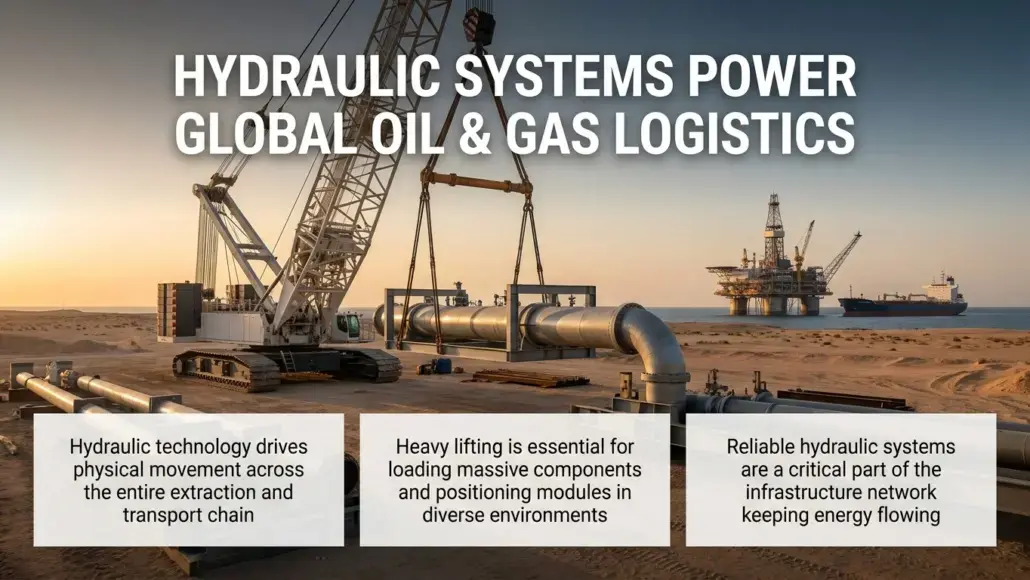
The global oil and gas supply chain is a marvel of modern engineering, a vast network of extraction sites, refineries, and transport hubs that keeps the world’s energy flowing. At every critical juncture of this logistics chain, the physical movement of equipment and raw materials is essential. Whether it is the loading of massive drilling components onto a transport vessel or the precise positioning of a pipeline module in a remote desert, the heavy lifting is often performed by hydraulic systems. Despite the rise of electric and digital technologies, hydraulic power remains the backbone of the industry due to its unparalleled force density and reliability. The future of hydraulic lifting in global oil logistics is not one of obsolescence, but of intelligent integration, where the brute strength of fluid power is guided by the precision of modern data analytics.
As logistics operations become more complex and geographically dispersed, the demand for lifting solutions that can operate in extreme conditions—ranging from the freezing Arctic to the sweltering heat of the Middle East—has never been higher. Hydraulics excel in these environments because they are inherently robust, with fewer delicate electronic components exposed to the elements. However, the next generation of hydraulic systems is evolving to meet the twin challenges of efficiency and sustainability. Oil & Gas Advancement notes that by incorporating smart valves, advanced filtration, and digital control interfaces, the industry is transforming hydraulic lifting oil logistics into a more precise, energy-efficient, and transparent process, ensuring that the global energy supply chain remains resilient in an era of rapid change.
The Technological Resilience of Hydraulic Systems
The enduring popularity of hydraulics in the oil and gas sector is rooted in simple physics. A hydraulic system can generate immense force from a relatively small footprint, a characteristic known as power density. In the context of oil logistics, this allows for the construction of compact, mobile lifting units that can be deployed on the decks of supply vessels or the back of heavy-haul trucks. Unlike electric systems, which may require bulky battery packs or complex transformers to achieve similar torque, hydraulics rely on the incompressible nature of fluid to transmit power with minimal loss. This resilience is a key reason why hydraulic lifting oil logistics continues to be the preferred choice for handling the industry’s most demanding transport tasks.
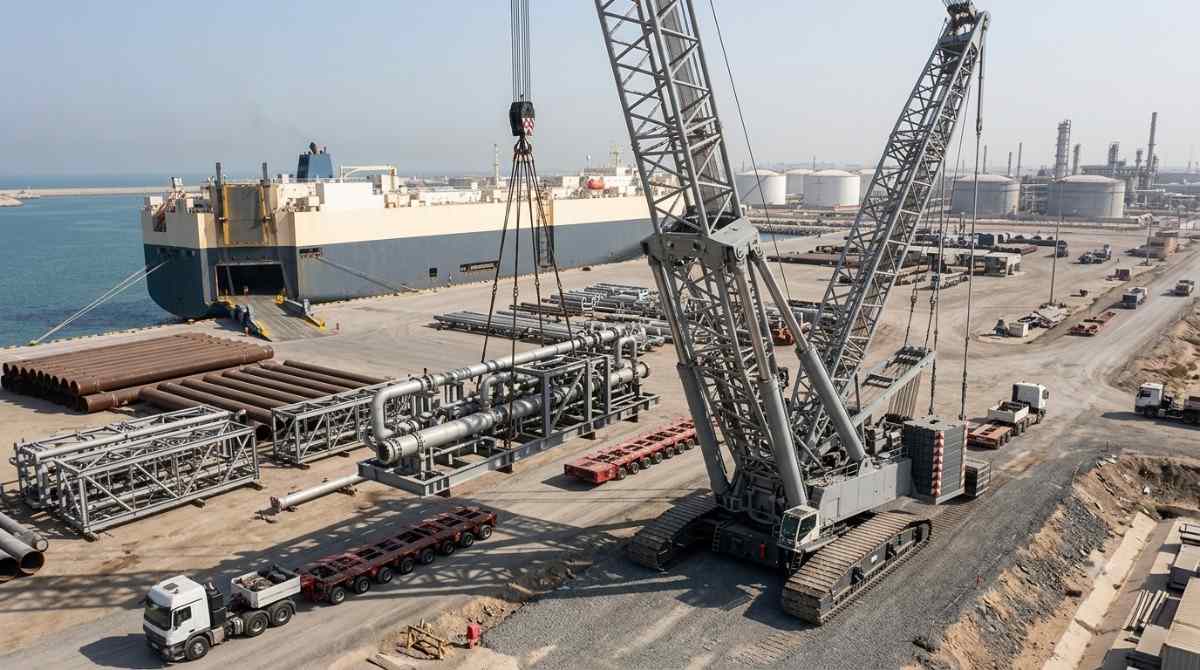 Furthermore, hydraulic systems are uniquely capable of handling sudden, explosive loads without the risk of electrical short-circuits or motor burnouts. This is particularly important in the loading and unloading of heavy equipment at sea, where the sudden surge of a wave can create massive, unpredictable forces. The ability of hydraulic circuits to absorb these shocks through pressure relief valves and accumulators provides a level of safety that is difficult to replicate. As we look to the future, the focus is on enhancing this resilience through the use of high-performance seals and corrosion-resistant coatings, ensuring that hydraulic assets can provide decades of reliable service in even the most aggressive marine and industrial environments.
High-Pressure Capabilities for Heavy Transport
The push toward more ambitious energy projects—such as the development of ultra-deepwater fields—has led to an increase in the size and weight of the equipment being transported. To manage these loads, the future of hydraulic lifting in global oil logistics involves a shift toward higher operating pressures. By increasing the pressure within the hydraulic circuit, engineers can achieve greater lifting capacity without significantly increasing the size of the cylinders or pumps. Modern high-pressure hydraulics are now operating at levels that were once considered the limit of mechanical feasibility, allowing for the transport of modules weighing thousands of tons with unprecedented ease.
This move toward high pressure requires a parallel advancement in material science. The hoses, fittings, and cylinders used in these systems must be manufactured from specialized alloys and reinforced composites to withstand the internal stress. Moreover, the precision of the manufacturing process has increased, reducing the internal friction and leakage that plagued earlier hydraulic designs. The result is a system that is not only more powerful but also more efficient, wasting less energy as heat and providing smoother, more controlled movements for critical logistics tasks. This high-pressure evolution is a cornerstone of how the industry is preparing for the heavier, more complex energy infrastructure of tomorrow.
Adapting to Extreme Climates and Environmental Stress
One of the greatest challenges in global oil logistics is the sheer variety of climates in which equipment must operate. A hydraulic system that works perfectly in a temperate refinery may struggle in the sub-zero temperatures of a Siberian oil field, where the fluid can become too viscous to pump. Conversely, in desert environments, the risk of overheating can lead to a breakdown of the hydraulic oil’s lubricating properties. The future of hydraulic lifting oil logistics lies in the development of climate-agnostic systems that utilize advanced synthetic fluids and integrated thermal management.
These next-generation systems feature smart heating and cooling circuits that maintain the hydraulic oil at its optimal temperature, regardless of the external conditions. Furthermore, the use of multi-grade synthetic oils—which maintain a stable viscosity across a wide temperature range—ensures that the system can be started and operated immediately, reducing the need for lengthy warm-up or cool-down periods. This adaptability is crucial for the efficiency of the global logistics chain, where delays in one part of the world can have a cascading effect on energy prices and supply security. By mastering the environmental variables, hydraulic technology is securing its place in the future of international energy transport.
Integrating Digital Intelligence with Fluid Power
The most significant transformation in hydraulic technology is the integration of digital control systems. While the mechanical power still comes from the fluid, the brain of the operation is increasingly electronic. By replacing traditional manual levers with electronic joysticks and automated control algorithms, the industry is achieving a level of precision that was previously impossible. In the realm of hydraulic lifting oil logistics, this means that a single operator can control multiple lifting points with synchronized accuracy, ensuring that a long pipeline section or a wide production module remains perfectly level during transport.
Digital integration also enables the collection of vast amounts of operational data. Every pressure spike, temperature change, and cylinder movement can be recorded and analyzed in real time. This data is not just used for immediate control; it is fed into higher-level logistics management systems, providing managers with a clear view of the efficiency and status of their lifting assets. By connecting hydraulic power to the broader industrial internet of things (IIoT), the oil and gas industry is creating a more transparent and responsive supply chain, where the physical movement of goods is perfectly aligned with the digital flow of information.
Smart Valves and Electronic Displacement Control
At the heart of the digital-hydraulic revolution are smart valves. These components utilize high-speed electromagnetic actuators to precisely control the flow and pressure of the hydraulic fluid. Unlike traditional valves, which are either open or closed, smart valves can modulate the flow in infinitesimal increments, allowing for micro-movements that are essential for delicate positioning tasks. This technology is a vital component of the future of hydraulic lifting in global oil logistics, as it allows for the precise mating of complex subsea or refinery components that have zero tolerance for misalignment.
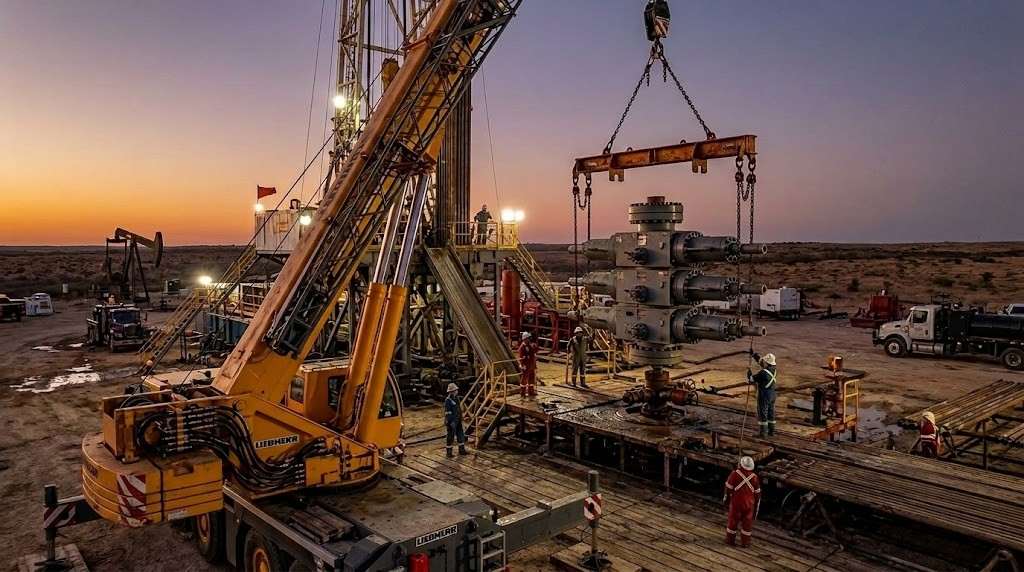 Electronic displacement control in hydraulic pumps is another game-changer. By varying the amount of fluid pumped based on the actual demand of the lift, these systems can significantly reduce energy consumption. In a logistics hub where dozens of hydraulic cranes and forklifts are operating simultaneously, these efficiency gains can add up to substantial cost savings. These same principles are applied to maintenance operations, where intelligent lifting tools for oil pump station fix tasks utilize compact hydraulic actuators to navigate confined spaces with precision. Moreover, the reduced energy waste means that the systems run cooler, extending the life of the seals and the hydraulic fluid itself. The synergy between smart valves and electronic control is transforming hydraulics from a blunt instrument into a high-precision tool for the modern age.
Predictive Diagnostics for Hydraulic Circuit Integrity
One of the historical drawbacks of hydraulic systems was the risk of sudden, catastrophic failure, often caused by an internal leak or a burst hose. In the future of hydraulic lifting oil logistics, these incidents will be largely eliminated through the use of predictive diagnostics. Sensors embedded within the hydraulic circuit monitor the health of the fluid and the integrity of the components in real time. By analyzing the signature of the pressure waves within the system, advanced algorithms can detect the early signs of a failing pump or a worn seal long before it leads to a failure.
This predictive capability allows maintenance to be performed proactively, during scheduled breaks in the logistics schedule. It also provides a higher level of environmental protection, as the system can automatically shut down a circuit if it detects a drop in pressure that might indicate a leak. By preventing the spill of hydraulic fluid into sensitive environments—such as offshore platforms or coastal refineries—these diagnostic tools are helping the oil and gas industry meet its increasingly stringent environmental goals. The transition to a zero-failure hydraulic model is a key objective for the next decade of logistics engineering.
Advancing Precision and Power in Hydraulic Logistics
Efficiency and Sustainability in the Future Logistics Chain
The final piece of the puzzle for the future of hydraulic lifting in global oil logistics is sustainability. The industry is under increasing pressure to reduce its carbon footprint, and hydraulic systems are playing their part. Beyond the energy-saving benefits of digital control, the industry is moving toward the use of bio-based, biodegradable hydraulic fluids. These fluids offer similar performance to traditional mineral oils but pose a significantly lower risk to the environment in the event of a spill. This is particularly important for logistics operations that take place in ecologically sensitive areas.
Furthermore, the integration of energy recovery systems, similar to the regenerative braking in electric vehicles, is becoming more common. When a hydraulic crane lowers a heavy load, the potential energy is captured and stored in a hydraulic accumulator, where it can be used to assist with the next lift. This circular approach to energy management reduces the overall power requirement of the logistics hub and lowers operating costs. Oil & Gas Advancement believes that by combining these sustainable practices with the traditional strengths of fluid power, the hydraulic industry is proving that it can be a vital part of a greener, more efficient energy future.
References
- Enerpac adds Diesel Split Flow Pump capabilities to its portfolio through acquisition of Hydra-Pac technology
-
New hydraulic cylinder facility in Oberopfingen officially inaugurated
