















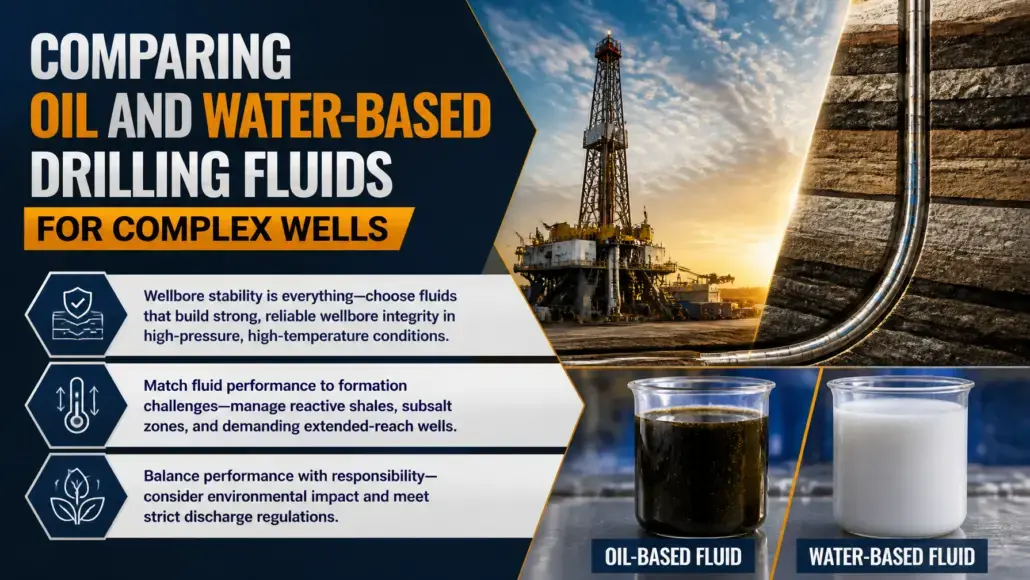
Selecting between non-aqueous systems and high-performance aqueous formulations represents one of the most critical operational choices in modern field development. Operators drilling deep extended-reach trajectories, subsalt horizons, and reactive shale plays face substantial bottomhole pressures, fluctuating temperatures, and stringent discharge restrictions. Oil & Gas Advancement observes that wellbore stability and overall drilling economics hinge directly on how mud properties perform under challenging downhole conditions.
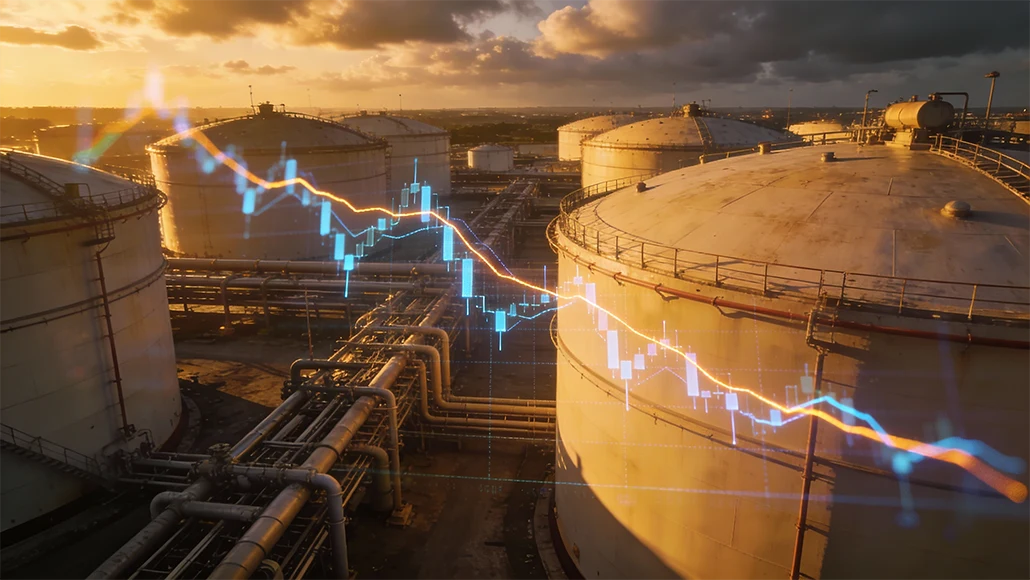
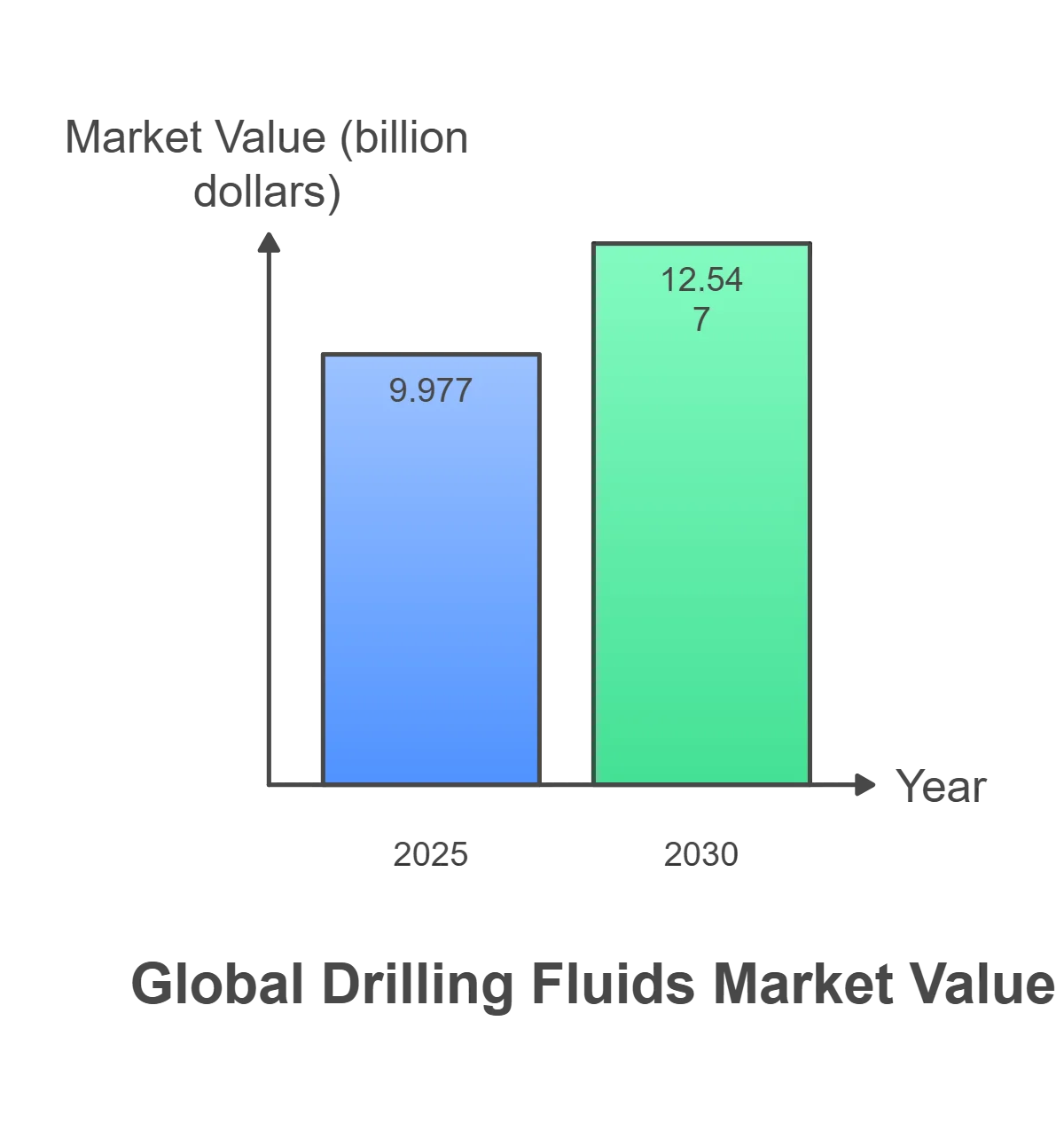
The global drilling fluids market reflects this capital intensity. According to industry analysis by Yahoo Finance and research partner reports published in August 2025, the global market for drilling fluids was valued at 9.977 billion dollars in 2025 and is projected to expand to 12.547 billion dollars by 2030, registering a compound annual growth rate of 4.69 percent. A primary catalyst behind this spending is the rising complexity of horizontal profiles where friction, cuttings transport, and pressure management dictate daily rig costs. As exploration targets become geographically remote and geologically demanding, the technical scope of complex well drilling fluids expands beyond basic rock cooling and hole cleaning.
Understanding the operational trade-offs between oil-based muds and advanced water-based muds requires balancing drilling speed, geological protection, logistics, and environmental regulatory scrutiny across the entire asset lifecycle.
Wellbore Stability and Reactive Shale Inhibition
Unstable shale formations remain the leading cause of non-productive rig time in complex drilling campaigns across both onshore unconventional basins and offshore shelf projects. When drilling through reactive clays such as smectite and illite, conventional aqueous muds can cause hydration, borehole swelling, bit balling, and stuck pipe incidents. Oil-based muds, which typically use mineral oil or synthetic hydrocarbons as the continuous external phase, establish an emulsion barrier that prevents water molecules from contacting sensitive rock surfaces.
The osmotic pressure gradient generated by high salinity internal brine droplets within oil-based systems draws pore fluids outward rather than allowing water invasion. This mechanism preserves rock strength and prevents borehole collapse during extended exposure times. Field data consistently shows that non-aqueous fluids maintain gauge hole sections across intervals that would otherwise require multiple reaming runs under older fluid architectures.
Modern high-performance water-based drilling fluids counter this mechanical superiority through complex chemical inhibition. Polymer chemistry developments introduce multi-layer defense mechanisms designed to simulate oil-based performance:
- Advanced polyamine additives adsorb directly onto negatively charged clay platelets to prevent hydration.
- Glycol-based cloud-point polymers precipitate at elevated temperatures to seal shale micropores.
- Potassium chloride and specialized organic salts regulate osmotic movement to prevent pore pressure increases.
- Nanoparticle plugging agents establish ultra-thin filter cakes across micro-fractured rock faces.
These chemical advancements allow modern water systems to bridge operational performance gaps in reactive formations while remaining water-soluble for easier cleanup.
Lubricity, Torque, and Extended-Reach Drilling Windows
Extended-reach drilling pushes borehole displacement out several kilometers from centralized offshore platforms or multi-well onshore pads. In these long lateral profiles, mechanical drag between the drillstring and the borehole wall can exceed rig top-drive torque thresholds or casing running limits. High torque values can easily stall rotation, induce drillstring fatigue, or damage sensitive bottomhole assemblies.
Oil-based muds deliver inherently superior lubricity. The continuous hydrocarbon phase generates a consistent boundary lubricant film along the steel-to-rock interface, reducing friction coefficients to values between 0.16 and 0.22. This low friction profile allows operators to transmit higher weight on bit, accelerate rate of penetration, and steer directional bottomhole assemblies with lower stick-slip oscillation.
Aqueous fluids historically exhibited friction coefficients between 0.28 and 0.38, creating severe drag during sliding steer intervals. Modern chemical formulation has shifted this comparison considerably. Service providers now utilize synthetic ester lubricants, fatty acid derivatives, and liquid graphite substitutes within high-performance water systems. These additives lower friction coefficients into the 0.19 to 0.24 range, allowing extended lateral runs that previously required mineral oil formulations.
When horizontal lateral sections encounter severe thermal stress or tight pore pressure regimes, drilling engineers often integrate specialized technologies such as [High-Performance Drilling Fluids Reaching HPHT Wells] to navigate thermal degradation and fluid degradation risks downhole. Selecting compatible complex well drilling fluids ensures that hydraulic energy transfers efficiently to the drill bit without inducing formation breakdown.
Thermal Stability and Equivalent Circulating Density Management
Circulating bottomhole temperatures and static thermal spikes exert severe chemical stress on drilling mud formulations. When temperatures exceed 300 degrees Fahrenheit, traditional polymer additives in aqueous fluids begin to unravel, leading to viscosity collapse, barite sag, and uncontrolled fluid loss into permeable rock beds.
Oil-based muds demonstrate exceptional thermal resilience. Synthetic and diesel systems maintain consistent viscosity and emulsion stability across wide thermal envelopes. However, their viscosity exhibits high sensitivity to pressure and temperature changes throughout the wellbore. In deepwater operations, cold seabed temperatures around 35 to 40 degrees Fahrenheit cause oil-based mud to thicken inside the marine riser. This thickening produces severe pressure spikes during pump restarts, creating high equivalent circulating density that risks fracturing weak formations.
Major oilfield service companies have engineered tailored fluid solutions to counter these thermal and pressure anomalies:
- Halliburton commercialized its BaraECD non-aqueous fluid system, engineered to deliver controlled equivalent circulating density and consistent rheological properties across wide temperature differentials without barite sag.
- SLB developed the HydraGlyde high-performance water-based drilling fluid system, which delivers low-viscosity profiles that minimize pressure losses while matching oil-based drilling penetration rates.
- Baker Hughes deployed customized inverted-emulsion and high-performance polymer blends designed to stabilize rheology across extreme pressure gradients and reduce fluid loss at total depth.
These technologies demonstrate that fluid selection is no longer an all-or-nothing choice between oil and water, but rather an engineering exercise in matching fluid chemistry to specific reservoir pressure and temperature boundaries.
Environmental Compliance and Waste Management Economics
While non-aqueous fluids deliver high technical performance, their surface economics and environmental footprint present significant challenges for operating companies. Oil-based muds face stringent environmental regulations governing drill cuttings discharge, particularly in offshore marine environments and sensitive onshore ecosystems.
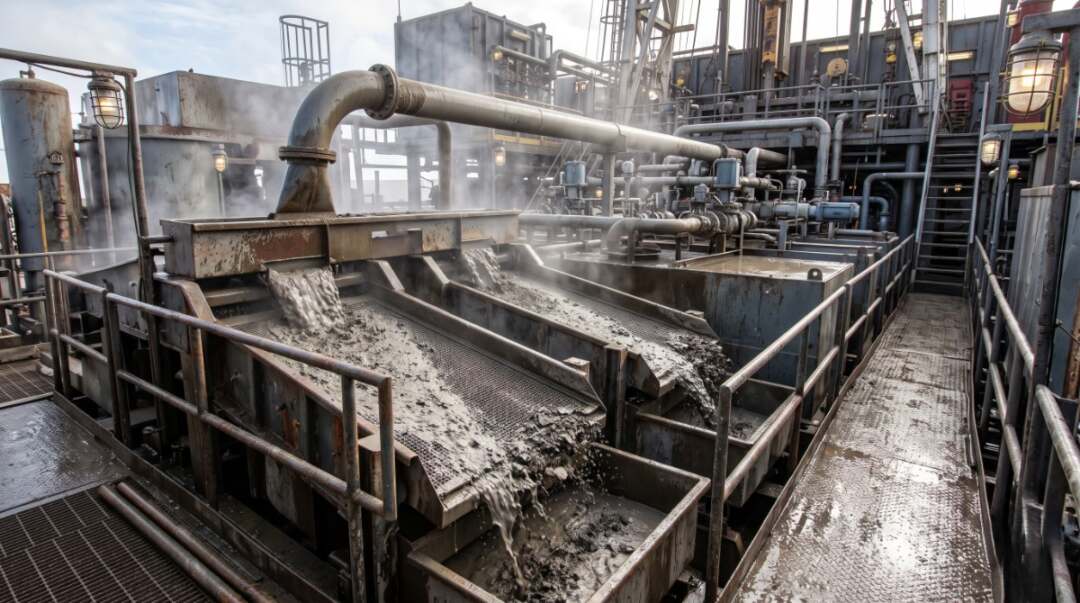
In the North Sea, the Gulf of Mexico, and offshore Brazil, environmental protection authorities prohibit the discharge of untreated cuttings containing mineral oil. Synthetic-based fluids permit regulated offshore discharge only when non-aqueous fluid retention on cuttings remains below strict statutory limits, typically below 6.9 percent by wet weight. Achieving these standards demands specialized surface equipment, including high-G drying shakers, vertical cuttings dryers, and thermal desorption units. Operating this heavy footprint equipment increases energy consumption and deck space requirements.
When offshore cuttings cannot be discharged, operators must execute skip-and-ship logistics, transferring drill cuttings into specialized storage containers for transport back to shore. This operation adds substantial logistics expense, vessel charter costs, crane handling risk, and disposal fees.
Water-based drilling fluids eliminate most of these surface handling complications. In many offshore jurisdictions, drilled cuttings generated with approved water-based muds can be cleaned with conventional shale shakers and discharged directly overboard. Onshore operations similarly benefit from simplified pit management, lower road haulage requirements, and reduced bioremediation costs during site abandonment.
Field operators frequently calculate that while high-performance water-based mud may exhibit slightly slower penetration rates than an oil-based counterpart, total well cost can prove lower once cuttings shipping, rig deck space optimization, and waste treatment expenses are factored into the balance sheet.
Balancing Drilling Performance and Completion Integrity
The final evaluation in fluid selection addresses formation damage and completion compatibility. In open-hole gravel pack completions or standalone sand screen installations, the filter cake created by drilling mud must be thoroughly removed to ensure unobstructed hydrocarbon flow into the production string.
Oil-based filter cakes contain oil-wet solids, organophilic clays, and synthetic surfactants. Removing these residues requires complex chemical breaker systems, including organic acids, mutual solvents, and micro-emulsion flushes. If remediation is incomplete, oil-wet residues can impede water injection or reduce effective reservoir permeability over the productive life of the reservoir.
High-performance water-based fluids construct filter cakes composed of water-soluble polymers, tailored calcium carbonate bridging particles, and degradable starch complexes. These cakes dissolve efficiently when exposed to mild acid flushes or enzyme treatments, promoting clean reservoir contact and uniform flow distribution along the productive interval.
Drilling engineering teams must weigh the immediate mechanical gains of oil-based mud against total life-of-well objectives. Where geological risk, hole enlargement, and severe frictional limits dominate drilling feasibility, non-aqueous systems remain the benchmark. Conversely, where environmental logistics, disposal costs, and completion cleanup represent the dominant economic drivers, modern high-performance water-based fluids deliver a competitive, technically sound alternative. Oil & Gas Advancement notes that applying appropriate complex well drilling fluids ensures operational safety while optimizing both upfront rig expenditure and long-term asset productivity.
References
- “Drilling Fluids Market Research Report 2025-2030” – Yahoo Finance and Research Partners
- “BaraECD High-Performance Non-Aqueous Fluid System Technical Review” – Halliburton
- “HydraGlyde High-Performance Water-Based Drilling Fluid System Overview” – SLB
- “Drilling Fluids Solutions and Waste Management Portfolio” – Baker Hughes
