











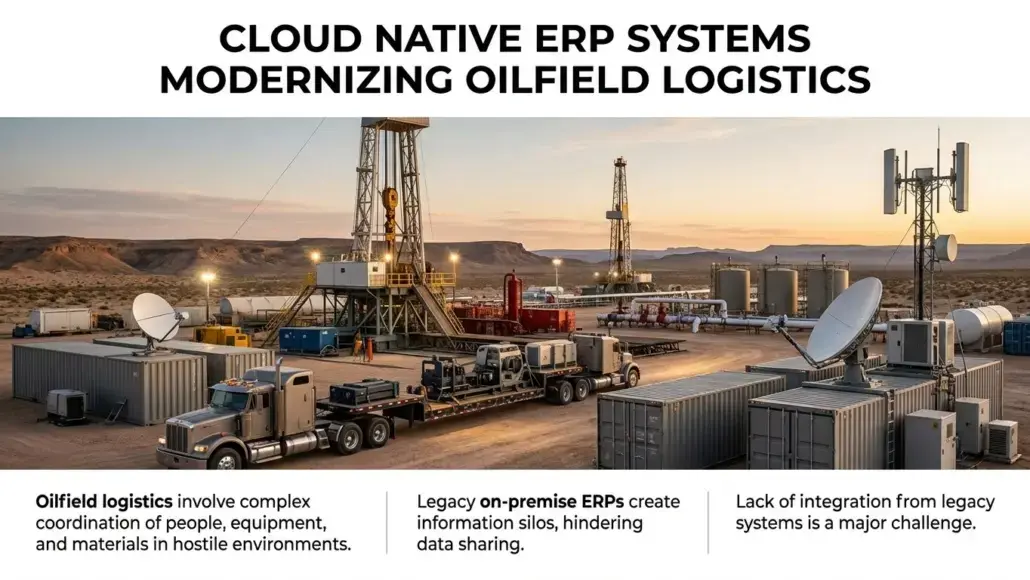
The logistics of an oilfield are among the most complex in any industrial sector, involving the coordination of thousands of people, pieces of equipment, and specialized materials across remote and often hostile environments. Traditionally, energy companies relied on legacy enterprise resource planning systems that were housed in on premise data centers, creating silos of information and making it difficult to share data across different regions or business units.
This lack of integration often led to inefficiencies in the oilfield supply chain, with equipment sitting idle in one location while a critical shortage existed in another. However, the adoption of cloud native ERP systems is beginning to change this by providing a unified and scalable platform for managing the entire energy value chain.
Oil & Gas Advancement observes that by moving their core business processes to the cloud, upstream operators can achieve real time visibility into their inventory, procurement, and asset management activities. This transition is a critical component of energy ERP modernization, as it allows companies to break down the barriers between their operational and financial data. The goal is to create a more agile and responsive logistics network that can adapt to the changing needs of the business and the volatility of the global energy market.
With the ability to access data from anywhere in the world, decision makers can more effectively manage their resources and ensure that the right materials are in the right place at the right time. The effectiveness of these logistics platforms is significantly improved when they are synchronized with automated hydrocarbon accounting to ensure accurate production volume visibility across the network.
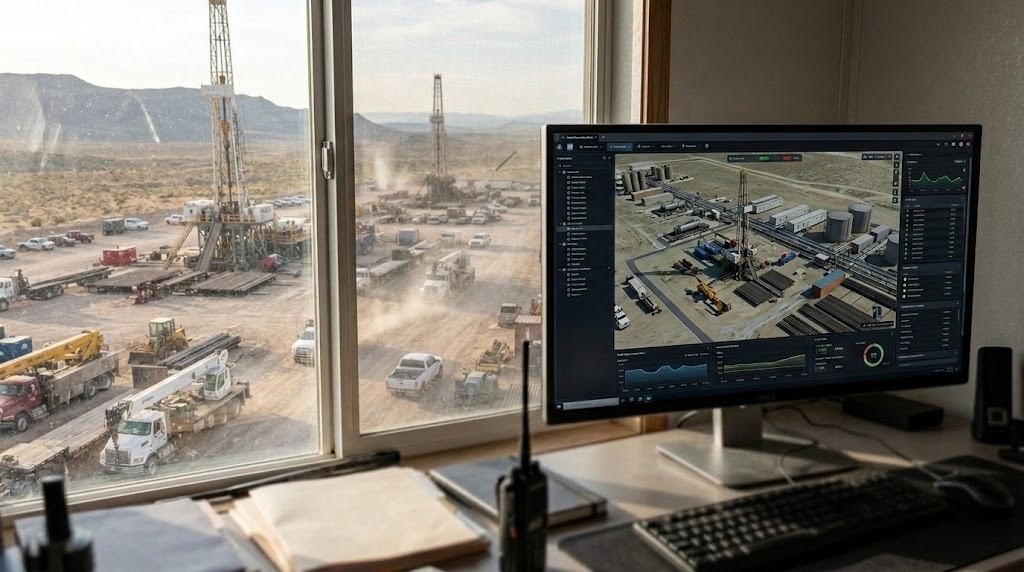
The push for these systems is part of a massive wave of digital transformation in the industry. Market research suggests that digital strategies could save the oil and gas industry significant amounts of capital between 2026 and 2030, with a significant portion of these savings coming from improvements in logistics and supply chain management. As companies look to optimize their operations and reduce their carbon footprint, the move toward cloud based infrastructure is becoming a strategic necessity. The ability to leverage the latest in data analytics and artificial intelligence is only possible when the underlying data is accessible and integrated through a modern ERP platform.
Enhancing Real Time Asset Tracking
One of the most immediate benefits of cloud native ERP systems is the ability to perform real time asset tracking across the entire organization. In a typical oilfield operation, expensive assets such as drill pipes, pressure pumping units, and offshore service vessels are constantly moving between different sites. In the past, tracking these items often required manual input and was prone to errors, leading to lost or underutilized equipment. Cloud native systems integrate with GPS and RFID technologies to provide an automated and accurate view of where every asset is located and what its current status is.
This level of visibility allows for more efficient asset utilization and a reduction in capital expenditure. When managers know exactly what equipment they have available, they can avoid unnecessary rentals or purchases and ensure that their assets are being used to their full potential. It also improves maintenance planning by providing a clear record of the usage and condition of each piece of equipment. By performing preventative maintenance based on actual operational data, companies can extend the life of their assets and reduce the risk of costly failures in the field.
The growth of the oil and gas cloud applications market reflects this shift. For many operators, the cloud offers a way to move away from the high costs of maintaining on premise hardware and to benefit from the continuous updates and innovations provided by cloud service providers. This move toward cloud logistics is not just about technology but about creating a more transparent and accountable organization.
Streamlining Upstream Procurement Tech
The procurement of materials and services is a major driver of cost in the upstream sector. From specialized chemicals for drilling to the recruitment of skilled labor, the procurement process involves hundreds of vendors and thousands of transactions every month. Cloud native ERP systems streamline this process by providing a centralized platform for managing vendor relationships, contracts, and purchase orders. This allows for more effective negotiation with suppliers and a reduction in the time required to complete procurement cycles.
Upstream procurement tech is also evolving to include more automated and data driven features. For example, many modern ERP systems use machine learning to analyze historical spending patterns and identify opportunities for cost savings. They can also automate the verification of invoices and the processing of payments, reducing the burden on administrative staff and ensuring that vendors are paid on time. This improved efficiency in the back office directly supports the performance of front line operations by ensuring a steady and predictable flow of the materials needed for drilling and production.
The integration of generative AI into these platforms is another significant development. Energy leaders are increasingly signaling an agentic AI push, where intelligent software agents can perform complex tasks such as sourcing alternative suppliers or predicting the impact of supply chain disruptions. By 2025, it is expected that a majority of major oil and gas companies will be using some form of AI enabled ERP to manage their procurement and logistics. This move toward more intelligent and autonomous business systems is the next frontier of digital transformation in the energy sector.
Modernizing the Oilfield Supply Chain
The oilfield supply chain is often subject to disruptions caused by geopolitical events, environmental factors, or simple mechanical failures. Cloud native ERP systems provide the resilience needed to manage these risks by providing a more complete and accurate view of the entire supply network. By integrating data from suppliers, transporters, and internal departments, companies can identify potential bottlenecks before they lead to a significant delay in operations.
This collaborative approach to supply chain management is essential for operating in a global market. It allows for more effective coordination with partners and a more responsive approach to changes in demand. For example, if a sudden increase in drilling activity occurs in a specific region, the cloud based system can quickly identify where additional resources are available and coordinate their transport to the new site. This agility is a major competitive advantage in a market where timing can mean the difference between a successful project and a costly failure.
As the industry faces increasing pressure to reduce its environmental impact, the supply chain is also becoming a focus for sustainability efforts. Companies are using their ERP systems to track the carbon emissions associated with the transport and manufacturing of their materials. This information is being used to make more informed decisions about which suppliers to use and how to optimize logistics routes to minimize fuel consumption. The move toward a more sustainable oilfield supply chain is a key part of the industry’s broader commitment to environmental stewardship.
Overcoming Legacy System Limitations
The move toward cloud native ERP systems is often driven by the limitations of the legacy systems they replace. Many older ERP platforms were designed for a different era, with rigid structures that are difficult to adapt to modern business needs. They often require specialized knowledge to maintain and are difficult to integrate with other digital tools such as data lakes or mobile applications. This technical debt can be a major barrier to innovation, preventing companies from taking advantage of new technologies such as the internet of things or advanced analytics.
By migrating to a cloud native platform, companies can benefit from a more modern and flexible architecture that is designed for integration and scalability. These systems are typically built using microservices, which allow individual components to be updated or replaced without disturbing the entire platform. This allows for a more agile approach to software development and a faster response to changing business requirements. It also provides a better user experience for employees, with modern interfaces and mobile capabilities that allow them to access the system from the field.
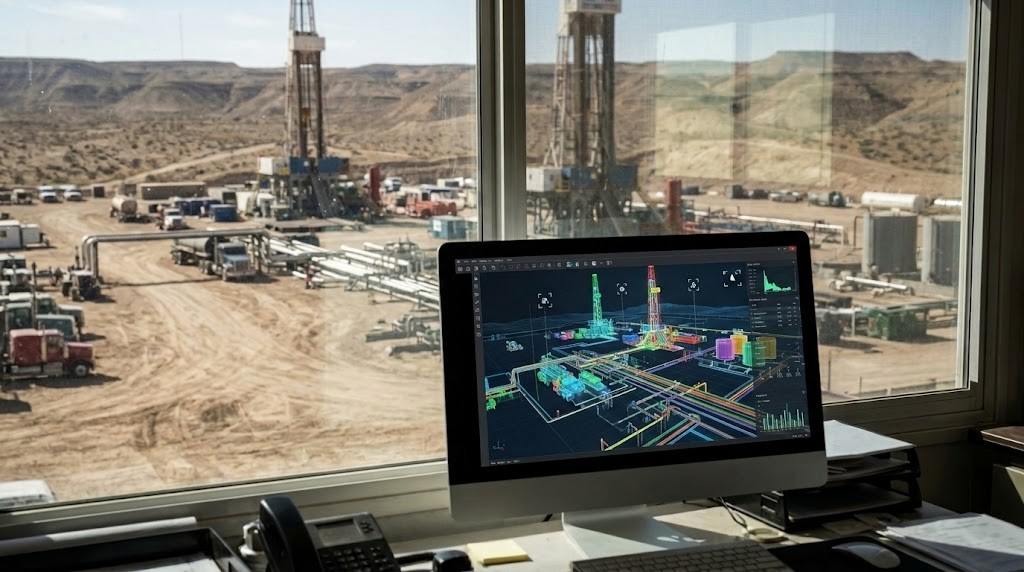
The implementation of these systems is a significant undertaking that requires a clear strategy and a commitment from the highest levels of the organization. Many companies are choosing to adopt a phased approach, migrating individual business units or processes to the cloud over several years. This allows them to manage the risks associated with such a large scale change while beginning to realize the benefits of the new system as quickly as possible. The move toward energy ERP modernization is a long term journey, but it is one that is essential for the future of the industry.
Accelerating Energy ERP Modernization and Real-Time Supply Chain Orchestration Across Global Oilfields
The transition toward cloud-native ERP architectures and intelligent supply chain integration in the energy sector is being operationalized through substantial enterprise investments and software partnerships across global energy operators and enterprise software providers. Enterprise tech leader SAP SE secured a major digital transformation partnership with Centrica to migrate core energy operations and supply networks onto RISE with SAP S/4HANA Cloud, while major oilfield service giant Halliburton executed a strategic multi-quarter capital rollout to migrate its enterprise footprint to SAP S/4HANA to unify equipment tracking, field procurement, and financial reporting.
Concurrently, global supermajor TotalEnergies integrated IFS’s cloud asset platform directly into its worldwide ERP architecture to achieve end-to-end asset visibility and eliminate operational data silos across its exploration and production assets. In parallel, AWS teamed with Siemens Energy to scale cloud-native industrial AI, modernize supply chain logistics, and optimize equipment delivery lifecycles, as IFS AB expanded its purpose-built industrial cloud ERP and digital worker capabilities across upstream operators. Together, these official commercial rollouts demonstrate how the energy industry is actively retiring fragmented on-premise systems in favor of cloud-native, synchronized operational backbones that enhance asset transparency and mitigate logistical bottlenecks worldwide.
The Role of Global Data Visibility
In a global energy market, the ability to see and manage data across different regions is a critical requirement for success. Cloud native ERP systems provide this visibility by consolidating data from across the entire organization into a single, accessible platform. This allows for more effective benchmarking of performance and the sharing of best practices between different business units. It also simplifies the process of regulatory reporting, providing a consistent and accurate record of the company’s activities worldwide.
This global visibility is particularly important for large international oil companies that operate in dozens of different countries. It allows them to maintain a consistent approach to their business processes while allowing for the local variations required by different legal and tax systems. By providing a single version of the truth, cloud based systems help to ensure that the company is operating in a compliant and efficient manner wherever it does business. The move toward more centralized and transparent data management is a key part of the industry’s response to the challenges of operating in a complex and globalized world.
The growth of the digital oil field services market is a strong indicator of the demand for these types of solutions. Cloud native ERP systems are at the heart of this transformation, providing the foundational data that powers a more modern and efficient energy industry. The companies that lead the way in adopting these technologies will be the ones that are best positioned to thrive in the decades to come.
References
- SAP SE
- Centrica
- Halliburton
- TotalEnergies
- AWS
- IFS AB
