




The global oil and gas industry is currently undergoing a profound technological metamorphosis, with oil transport infrastructure serving as the primary arena for innovation. Oil & Gas Advancement notes that as the world seeks to optimize supply chains and reduce the environmental footprint of energy distribution, the traditional methods of moving crude and refined products are being replaced by smarter, more efficient, and highly integrated systems. This evolution is driven by the convergence of digital technology, advanced material science, and a new paradigm of logistics management. The ability to transport oil safely and reliably across continents is no longer just a feat of civil engineering. It is now an exercise in sophisticated data analytics and real-time operational optimization.
The midstream sector, which encompasses the transportation, storage, and wholesale marketing of petroleum products, is the vital link between the wellhead and the end consumer. Historically, this sector was characterized by massive, static assets that were difficult to monitor and slow to adapt to market fluctuations. Today, the focus has shifted toward intelligent infrastructure that can react instantaneously to changes in demand, weather, or technical performance. These innovations are not only improving the profitability of oil companies but are also enhancing global energy security by creating a more resilient and flexible distribution network.
Digitalization and the Rise of the Smart Midstream Sector
The most significant driver of innovation in oil transport infrastructure is digitalization. The integration of the Internet of Things (IoT), Big Data, and Artificial Intelligence (AI) is transforming every aspect of the supply chain. In the pipeline sector, thousands of sensors are now used to monitor pressure, temperature, and flow rates in real-time. This Smart Pipeline approach allows operators to detect leaks with unprecedented accuracy and to optimize pumping schedules to reduce energy consumption. By analyzing historical data, AI algorithms can predict potential equipment failures before they occur, shifting the industry from a reactive to a proactive maintenance model.
Digital logistics platforms are also revolutionizing how oil is moved by sea and rail. These platforms integrate data from various sources—including satellite tracking, port schedules, and market pricing—to optimize the routing and scheduling of tankers and trains. By reducing the time spent in transit and at ports, these innovations significantly lower the carbon footprint of oil transportation while improving capital efficiency. Furthermore, the use of blockchain technology is beginning to streamline the complex documentation and transaction processes associated with international oil trade, reducing the risk of fraud and improving transparency across the supply chain.
Advanced Tanker Infrastructure and Maritime Innovation
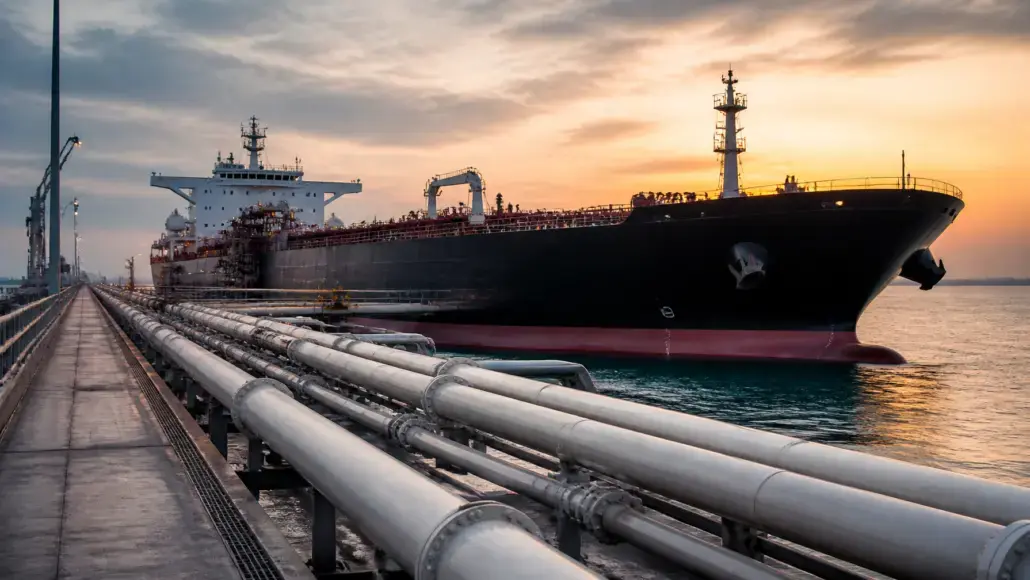
Maritime transport remains a cornerstone of oil transport infrastructure, particularly for the movement of crude oil across oceans. Recent innovations in tanker design have focused on improving both efficiency and safety. The latest generation of Very Large Crude Carriers (VLCCs) incorporates advanced hull designs and air lubrication systems that reduce friction and improve fuel economy. Furthermore, the adoption of dual-fuel engines—capable of running on Liquefied Natural Gas (LNG) or biofuels—is helping the shipping industry meet increasingly stringent international emissions regulations.
Safety at sea is also being enhanced through the use of autonomous and semi-autonomous systems. Modern tankers are equipped with advanced navigation and collision avoidance systems that use radar, LIDAR, and AI to identify potential hazards. The development of remote monitoring centers allows shore-based experts to support shipboard crews in real-time, providing an extra layer of expertise during complex maneuvers. These innovations are significantly reducing the risk of maritime accidents and oil spills, protecting the world’s oceans while ensuring the steady flow of energy.
Drone Technology and Remote Infrastructure Inspection
The inspection and maintenance of vast and often remote oil transport infrastructure have traditionally been dangerous and time-consuming tasks. However, the emergence of drone technology has transformed these operations. Unmanned Aerial Vehicles (UAVs) equipped with high-resolution cameras, thermal imagers, and gas leak detectors can now inspect hundreds of miles of pipeline in a single day. Drones are particularly effective for identifying small leaks or structural issues in areas that are difficult or impossible for human crews to reach, such as mountain ranges or offshore platforms.
Beyond simple inspection, specialized drones are being developed to perform minor maintenance tasks, such as applying anti-corrosive coatings or tightening bolts. The use of drones not only improves the safety of workers but also significantly reduces the cost of infrastructure management. In the event of an incident, drones can be deployed immediately to provide a real-time view of the situation, allowing emergency responders to coordinate their efforts more effectively. The integration of drone technology is a key pillar of a modern, resilient oil transport network.
Innovations in Pipeline Materials and Coating Technologies
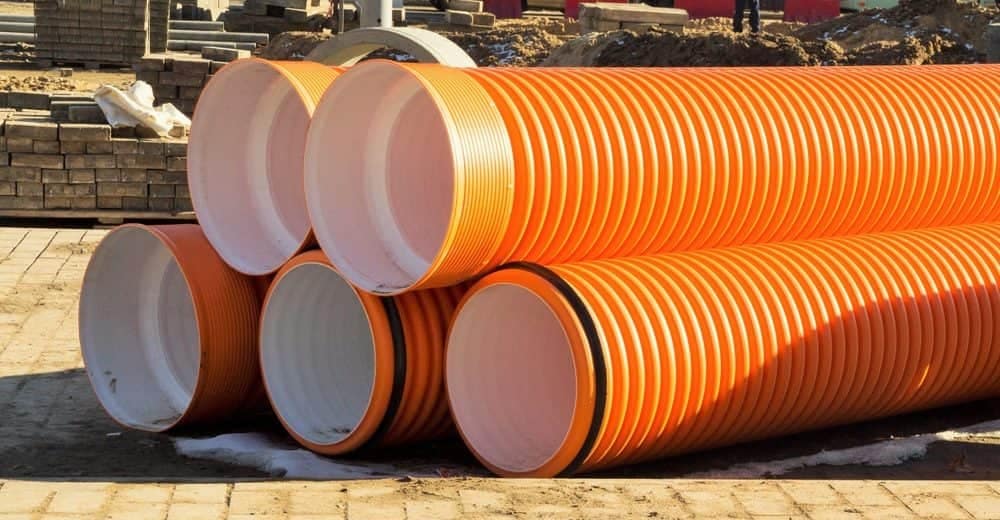
While digital tools are essential, the physical integrity of oil transport infrastructure remains the foundation of a safe distribution network. Innovations in material science are leading to the development of stronger, lighter, and more corrosion-resistant pipes. High-strength micro-alloyed steels allow for the construction of pipelines that can handle higher pressures, increasing the throughput of the system without increasing its physical footprint. Furthermore, the use of composite materials is becoming more common for localized repairs and for pipelines in highly corrosive environments.
Advanced coating technologies are also playing a vital role in extending the lifespan of infrastructure. Modern fusion-bonded epoxy (FBE) and three-layer polyethylene (3LPE) coatings provide an almost impenetrable barrier against the elements. Some of the latest smart coatings even have self-healing properties, where micro-capsules embedded in the coating rupture to fill small cracks or scratches as they form. These innovations in physical hardware ensure that the oil transport infrastructure can withstand the rigors of decades-long operation, even in the most challenging environmental conditions.
The Role of Smart Terminals and Storage Solutions
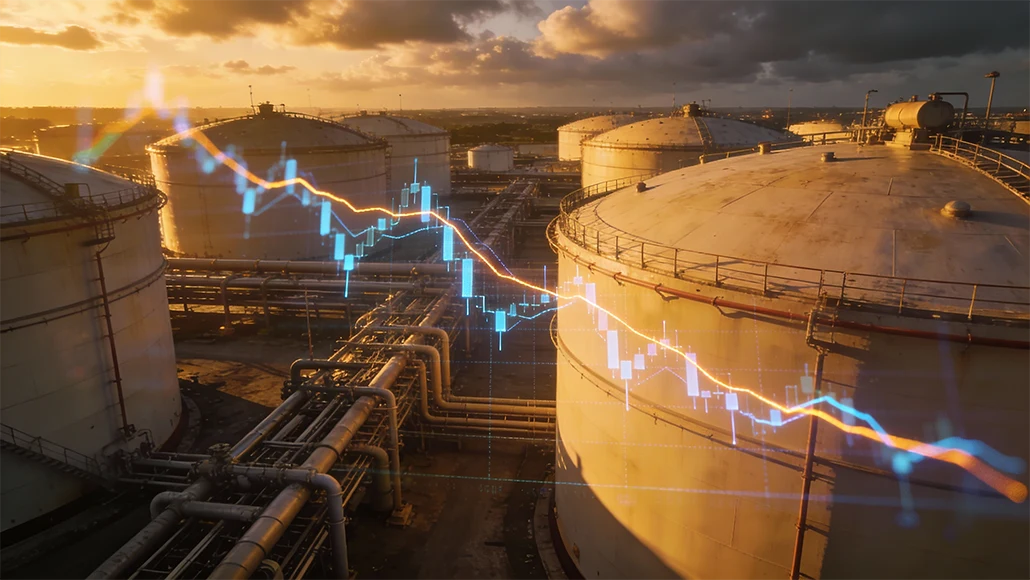
Oil distribution is not just about movement; it is also about the strategic storage and management of products at terminals. Innovations in terminal infrastructure are focused on improving the speed and safety of loading and unloading operations. Automated terminal management systems (TMS) use AI to optimize the allocation of tanks and the scheduling of berths, reducing wait times for tankers and trucks. Furthermore, the use of automated loading arms and vapor recovery systems is helping to minimize both human error and environmental emissions during transfer operations.
Strategic storage solutions are also evolving through the use of advanced monitoring and safety systems. Smart tanks equipped with internal sensors can detect changes in temperature or gas composition that indicate a potential issue, allowing for immediate intervention. In many regions, the repurposing of existing salt caverns for oil storage is providing a safe and cost-effective alternative to traditional surface tanks. These innovations in storage and terminal management ensure that the distribution network can handle the complex requirements of a global energy market with maximum efficiency.
Supply Chain Resilience and the Integrated Logistics Model
The ultimate goal of these innovations is the creation of a truly integrated and resilient oil supply chain. This requires the seamless coordination of all transport modes—pipelines, tankers, rail, and trucks—through a centralized logistics model. By using data to break down the traditional silos between different parts of the network, oil companies can identify bottlenecks and optimize energy flow across the entire system. This integrated approach is essential for managing the impact of geopolitical events, weather disruptions, or economic shifts.
Supply chain resilience also involves the strategic positioning of infrastructure to ensure multiple routes for energy delivery. The development of reverse flow capabilities in pipelines and the creation of strategic petroleum reserves (SPR) are key components of this strategy. By investing in a diverse and flexible transport network, nations can ensure their energy security even in the face of major global disruptions. The innovations discussed here provide the tools needed to build this resilience, ensuring that the oil transport infrastructure can meet the challenges of the 21st century.
Environmental Sustainability and the Decarbonization of Logistics
As the oil industry faces increasing pressure to reduce its carbon footprint, innovations in transport infrastructure are also focused on sustainability. Beyond the use of cleaner fuels for tankers, the industry is exploring the electrification of pumping stations and the use of renewable energy to power terminal operations. Some operators are even beginning to integrate carbon capture and storage (CCS) technology into their midstream facilities, capturing emissions from compressors and boilers before they are released into the atmosphere.
Furthermore, the optimization of logistics through digital technology is a powerful tool for reducing the overall energy intensity of oil transport. By eliminating unnecessary movements and reducing idle times, the industry can significantly lower its indirect emissions (Scope 3). The transition to a more sustainable distribution network is not only an environmental necessity but also a long-term economic imperative, as investors and consumers increasingly prioritize low-carbon energy solutions. The innovations in oil transport infrastructure are therefore a critical part of the industry’s broader transition toward a more sustainable future.
Future Perspectives: The Oil Transport Network in 2050
Looking ahead to 2050, Oil & Gas Advancement believes that the oil transport network will likely be a highly automated, digitalized, and integrated system that bears little resemblance to the infrastructure of the past. Autonomous tankers will cross the oceans, supported by a vast network of smart pipelines and terminals that operate with minimal human intervention. The use of advanced materials and digital twins will ensure that failures are almost entirely eliminated, while the integration of renewable energy and CCS will have drastically reduced the sector’s environmental impact.
The journey toward this future is already underway, driven by the ingenuity of engineers and the vision of industry leaders. Every new sensor installed, every autonomous drone deployed, and every smart coating applied is a step toward this new energy paradigm. The innovations in oil transport and distribution infrastructure are not just about moving a commodity. They are about building a more efficient, safe, and sustainable energy system for the entire world. As we continue to innovate and adapt, the oil transport network will remain a vital and dynamic part of our global infrastructure for decades to come.
