



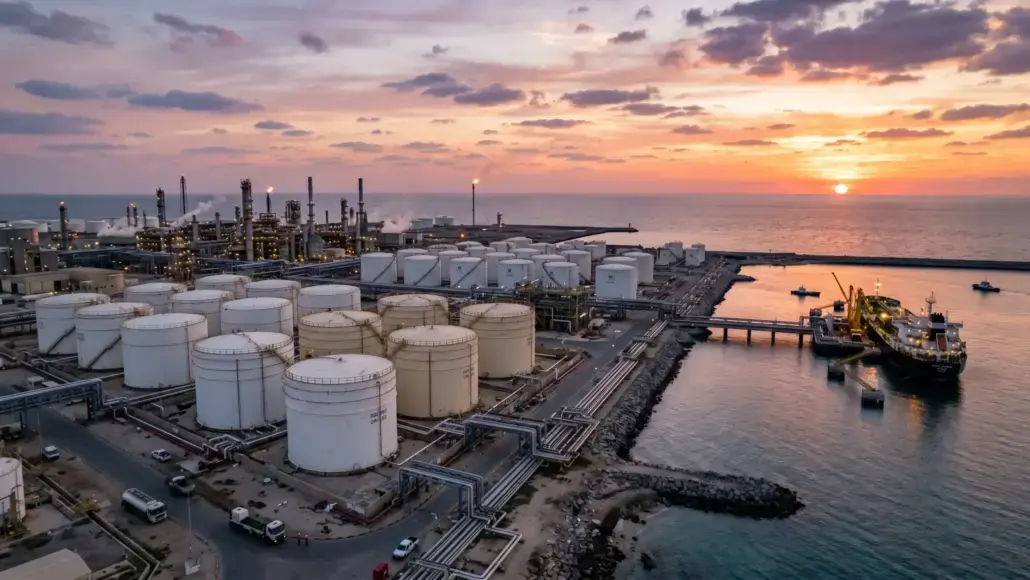
European Union (EU) energy ministers are slated to deliberate on the potential for increased domestic gas drilling during an upcoming informal gathering in Cyprus. The discussions, scheduled for 13th May 2026, are taking place against a backdrop of elevated energy prices and growing concerns regarding supply stability.
A document outlining the agenda indicates that the European Commission’s Cyprus Presidency will raise the issue of indigenous gas resources as a potential mechanism for collective price stability across the Union. This comes at a time when the bloc is grappling with an ongoing energy crisis, exacerbated by market disruptions following Russia’s withdrawal from the European market in 2022 and volatility in the global liquefied natural gas (LNG) market, particularly due to recent geopolitical tensions.
While the EU has made significant strides in reducing its reliance on Russian gas, transitioning from 45% to approximately 12% since the conflict in Ukraine began, the bloc’s exposure to the global LNG market’s fluctuations has become more pronounced. The document poses a direct question to ministers: “Given the current price shocks and the volatility of the global LNG market, how do you see the role of indigenous gas resources as a collective mechanism for price stability across the Union?” This highlights the immediate challenge posed by higher energy costs, which have already added an estimated €24 billion to EU import expenditures.
Despite the EU’s stated climate ambitions, with a continued focus on ending oil and gas drilling, some industry experts and analysts suggest that renewable energy sources alone may not be sufficient to meet energy demands in the near future. Consequently, several member states are reportedly becoming more receptive to expanding their natural gas production capabilities.
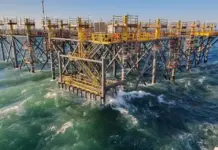
Examples of existing domestic gas potential within the EU include Romania’s Neptun Deep project, which has been extracting gas from the Black Sea since March 2025. Greece has initiated its first offshore exploratory drilling campaign for natural gas in nearly four decades, with operations targeting potential reserves in the Ionian Sea slated to commence in early 2027. Italy is also considering the revival of offshore oil and gas exploration projects that were previously suspended. Other noted areas of potential include Poland’s developments in the Baltic Sea and wider cooperation in the North Sea.
Croatia recently finalized an agreement to enhance gas pipelines and energy infrastructure across the Balkan region. Furthermore, industry assessments suggest that Cyprus possesses significant untapped reserves, with geological data indicating approximately 324.1 billion cubic metres of gas, a volume comparable to the EU’s average annual consumption. The conversation around increased domestic gas drilling is occurring alongside efforts to secure energy supplies amidst surging prices.
However, the prospect of expanded gas drilling has also drawn criticism from environmental organizations. Climate Action Network Europe has called for the adoption of a binding annual target to reduce gas demand by 7%. Industry representatives, meanwhile, emphasize the continued importance of gas in Europe’s energy mix, particularly for ensuring security of supply, maintaining system flexibility, and supporting industrial competitiveness during the ongoing green transition.
Andreas Guth, secretary-general of Eurogas, stated that “Ensuring Europe’s strategic autonomy will require a diversified energy mix, including domestic natural gas production alongside the accelerated scale-up of both domestic and imported renewable and low-carbon gases such as biomethane and hydrogen.”
He also stressed the importance of adapting and repurposing existing infrastructure to safeguard long-term investments while progressing towards climate neutrality.
EU leaders have consistently encouraged households and businesses to conserve energy, while also asserting that Europe’s long-term energy independence hinges on the expansion of domestic renewable power generation. Nevertheless, experts acknowledge that the full integration of renewable sources like wind and solar power necessitates substantial investments in grid upgrades and large-scale energy storage infrastructure, a process projected to span several years and require trillions of euros. Energy Commissioner Dan Jørgensen remarked in March that “In the short and medium term, we will still need quite a lot of gas, and that need has only increased with our decision to phase out Russian gas.” The discussion on domestic gas drilling aims to balance these immediate needs with long-term energy strategy.
