












The global tide of plastic waste presents one of the most pressing environmental and economic challenges of the current era. Mountains of discarded plastics clog landfills, pollute oceans, and persist in ecosystems for centuries, demanding not just improved waste management but a fundamental reimagining of how we produce, use, and dispose of these ubiquitous materials. In this critical juncture, a groundbreaking solution is taking root within the industrial heartland: the deployment of advanced recycling units (ARUs) in refineries. These sophisticated technological innovations are not merely an incremental improvement. Oil & Gas Advancement notes that ARUs represent a pivotal shift in the global approach to plastic waste, transforming it from an environmental burden into a valuable resource by converting it back into high-quality feedstock for new plastic production.
This transformative process, often termed chemical recycling, is creating a viable pathway towards a truly circular economy for plastics. It leverages the existing infrastructure and chemical expertise of refineries to integrate plastic waste conversion seamlessly into the production cycle, moving us decisively beyond the limitations of mechanical recycling and incineration. The implications for environmental sustainability, resource efficiency, and the economic landscape of the petrochemical industry are profound, marking a new chapter in industrial symbiosis and ecological responsibility.
The Imperative for a Circular Plastic Economy
For decades, the production and consumption of plastics have followed a linear ‘take-make-dispose’ model, fueled by readily available virgin fossil resources. While plastics offer unparalleled versatility and utility, this linear paradigm has led to an escalating waste crisis. Traditional mechanical recycling, while valuable, struggles with mixed, contaminated, or complex plastic streams, often resulting in downcycled products or a significant portion still ending up in landfills or incinerators. Incineration, while generating energy, releases carbon emissions and destroys the material value of the plastic.
The urgent need for innovative solutions to manage this ever-growing volume of plastic waste has driven the development of refinery recycling technology. This quest for solutions isn’t merely about waste disposal; it’s about preserving the embedded energy and molecular value within plastics, preventing the extraction of new fossil resources, and mitigating the environmental footprint associated with plastic production. The advent of advanced recycling units offers a powerful means to address these challenges, presenting a pathway for plastic waste conversion on an industrial scale that closes the loop on previously unrecyclable materials.
Demystifying Advanced Recycling Units (ARUs)
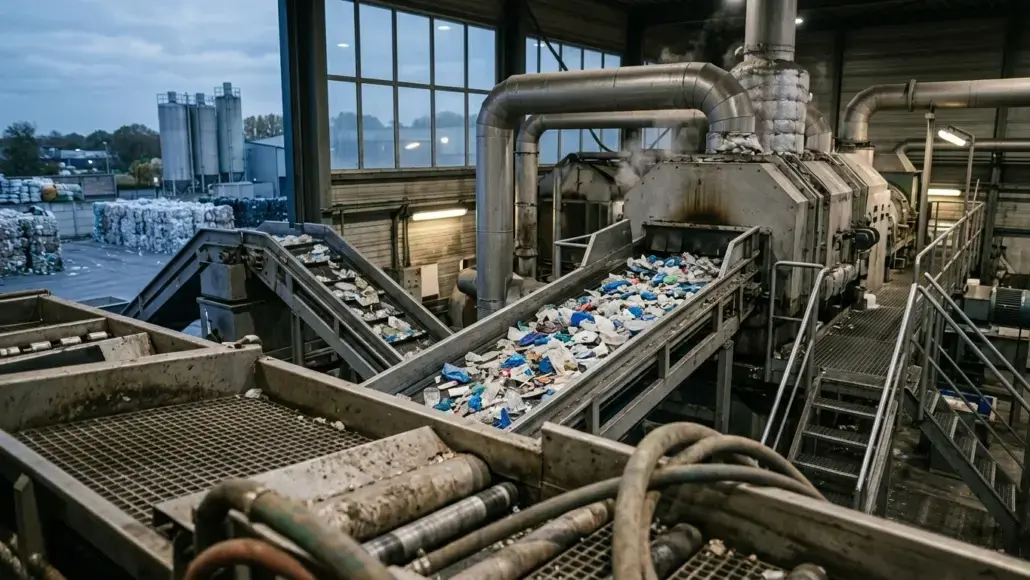
At its core, advanced recycling refers to a suite of technologies designed to break down plastic waste into its fundamental chemical components, or monomers, or into valuable petrochemical intermediates. Unlike mechanical recycling, which melts and reshapes plastics, these processes alter the chemical structure of the material. This capability is particularly crucial for handling mixed plastic waste, multi-layered plastics, and plastics with food residues or contaminants – streams that often overwhelm conventional recycling facilities.
The integration of advanced recycling units in refineries is a natural fit because refineries are already equipped with the infrastructure and expertise for complex chemical transformations. They routinely convert crude oil into a myriad of products, including the naphtha and other fractions that are the building blocks for virgin plastics. By incorporating ARUs, refineries can now convert difficult-to-recycle plastic waste directly into these same valuable hydrocarbon feedstocks, creating a powerful synergy.
Several key chemical recycling technologies underpin these ARUs:
Pyrolysis: Thermal Decomposition for Hydrocarbon Oils
Pyrolysis is perhaps the most widely recognized and rapidly commercializing form of chemical recycling within advanced recycling units in refineries. This process involves heating plastic waste in the absence of oxygen to high temperatures (typically 300-700°C), causing the long polymer chains to break down into smaller hydrocarbon molecules. The resulting products are primarily pyrolysis oil (or plastic oil), along with some gas and char. This pyrolysis oil is chemically very similar to crude oil fractions like naphtha or gas oil and can be directly fed into a refinery’s existing cracker or other processing units. This direct conversion of plastic waste to feedstock is a game-changer, allowing refineries to augment their traditional crude oil intake with recycled content.
Gasification: Synthesis Gas from Plastic Waste
Gasification transforms plastic waste into syngas (synthesis gas), a mixture primarily of carbon monoxide and hydrogen. This process typically occurs at even higher temperatures than pyrolysis and involves a controlled amount of oxygen or steam. Syngas is a versatile intermediate that can be used as a fuel, or further processed to produce a range of chemicals, including methanol, ammonia, or even new plastics, offering another avenue for waste-to-feedstock systems within a refinery complex.
Depolymerization: Reverting to Monomers
For certain types of plastics, particularly PET (polyethylene terephthalate) and polystyrene, depolymerization is a highly effective chemical recycling method. This process specifically breaks down the polymer chains back into their original monomer building blocks. These pure monomers can then be repolymerized into virgin-quality plastics, creating a truly closed loop. While often performed in specialized chemical plants, the resulting monomers could theoretically be used within refinery-linked petrochemical operations.
The Refinery’s Strategic Advantage: A Symbiotic Relationship
The decision to site advanced recycling units in refineries is not arbitrary; it represents a deeply strategic and symbiotic relationship. Refineries offer several compelling advantages that make them ideal hosts for these transformative technologies:
Integrated Infrastructure and Expertise
Refineries are vast complexes with established infrastructure for handling, processing, and upgrading hydrocarbon streams. They possess the necessary utilities, storage tanks, safety systems, and, crucially, a highly skilled workforce accustomed to managing complex chemical processes. Integrating an ARU into an existing refinery minimizes the need for entirely new greenfield facilities, reducing capital expenditure and accelerating deployment. The ability to integrate the generated feedstock recovery oils or gases directly into existing production lines without significant modifications is a monumental advantage.
Direct Feedstock Integration
One of the most significant benefits is the direct integration of the products from plastic waste conversion into refinery operations. The pyrolysis oils, for instance, can be co-fed alongside virgin naphtha or other fractions into steam crackers, fluid catalytic crackers (FCCs), or other units. This allows the refinery to produce certified circular polymers and fuels, blending recycled content seamlessly with conventional products. This capability is central to achieving circular economy in refining and validating the “mass balance” approach, where the proportion of recycled content is tracked throughout the production chain.
Economies of Scale and Operational Efficiency
Refineries operate on massive scales, benefiting from significant economies of scale. Integrating ARUs allows them to leverage these efficiencies, reducing the per-unit cost of processing plastic waste. Furthermore, the heat generated by some refinery processes can be utilized by the ARUs, improving overall energy efficiency and reducing operational costs.
Economic and Environmental Imperatives
The rise of advanced recycling units in refineries is driven by both compelling economic incentives and urgent environmental mandates.
Boosting Circular Economy Goals
The primary environmental driver is the establishment of a robust circular economy in refining for plastics. By converting plastic waste back into valuable feedstocks, ARUs reduce the reliance on virgin fossil resources for new plastic production. This significantly lowers the carbon footprint associated with plastics, as the energy-intensive process of extracting and refining crude oil is partially offset. Moreover, it diverts immense volumes of plastic from landfills and incinerators, mitigating land and air pollution. This closed-loop system is essential for corporations and nations striving to meet ambitious sustainability targets and achieve net-zero emissions.
Enhancing Refinery Value and Yields Growth
From an economic perspective, ARUs offer refineries new revenue streams and opportunities for diversified feedstock sourcing. As environmental regulations tighten and consumer demand for sustainable products grows, the ability to produce “circular” plastics or fuels adds significant market value. Refineries can command a premium for products derived from recycled content, strengthening their market position and fostering yields growth. Furthermore, a diversified feedstock supply, including plastic waste, can hedge against volatility in crude oil prices and enhance supply chain resilience. This proactive adaptation positions refineries not just as fuel and chemical producers, but as key players in the sustainable materials economy.
Refinery Sustainability and ESG Leadership
Embracing refinery sustainability through advanced recycling significantly enhances a company’s Environmental, Social, and Governance (ESG) profile. Investors and stakeholders are increasingly scrutinizing corporate environmental performance, and the deployment of ARUs demonstrates a tangible commitment to addressing plastic pollution and reducing environmental impact. This can lead to improved public perception, stronger brand reputation, and potentially better access to capital. By actively participating in plastic waste conversion, refineries move towards becoming leaders in sustainable manufacturing, aligning their operations with global ecological imperatives.
Navigating Challenges and Forging the Path Forward
While the promise of advanced recycling units in refineries is immense, their widespread adoption faces several challenges that the industry is actively addressing. Securing a consistent and high-quality supply of plastic waste remains a hurdle. Effective sorting and collection infrastructure are paramount to ensure the ARUs receive suitable feedstock. Furthermore, the economic viability of these processes, especially at scale, requires ongoing optimization and supportive policy frameworks. Regulatory clarity, particularly regarding the classification of pyrolysis oil as a recycled content input, is crucial for fostering investment and accelerating deployment.
Despite these challenges, the momentum behind advanced recycling is undeniable. Major petrochemical companies are investing heavily in new ARU facilities and strategic partnerships across the globe. Governments are increasingly recognizing the importance of chemical recycling in achieving circular economy goals, often providing incentives and establishing supportive regulatory environments. Innovations in reactor design, catalyst development, and pre-processing technologies are continuously improving the efficiency and economics of these processes.
Oil & Gas Advancement highlights that advanced recycling units in refineries are emerging as a beacon of hope in the battle against plastic pollution. By transforming intractable waste into valuable new resources, these units are propelling us towards a future where plastics can be part of a truly circular economy, providing the materials we need without sacrificing the health of our planet. This paradigm shift, integrating waste into the core of industrial production, underscores a profound commitment to innovation and sustainability, marking a critical step towards a more resource-efficient and environmentally responsible world
