







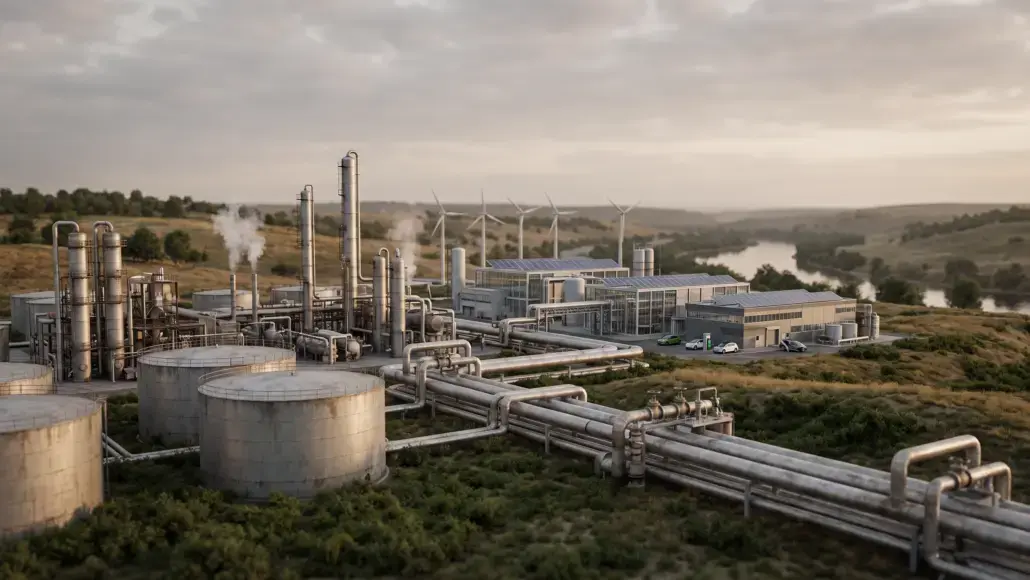
The global energy landscape is undergoing a profound transformation, and at the heart of this shift lies the evolution of downstream operations. For decades, the oil refinery has been viewed as a rigid industrial fixture, synonymous with heavy emissions and high energy consumption. However, as the world moves toward net-zero targets, the concept of carbon-neutral refineries is no longer a futuristic aspiration but a strategic necessity. This transition represents one of the most complex engineering and economic challenges of the 21st century, requiring a total reimagining of how we process energy, manage heat, and utilize feedstocks.
Achieving refinery decarbonization involves more than simply installing a few carbon scrubbers on a tailpipe. It requires a holistic integration of advanced technologies across every stage of the refining process. From the initial heating of crude oil to the final blending of high-performance lubricants, every unit operation is being scrutinized for its carbon footprint. Oil & Gas Advancement notes that the goal is to move from a linear extract and emit model to a circular, low-carbon framework that maintains energy security while drastically reducing environmental impact.
The Strategic Imperative for Downstream Transformation
The pressure to transition toward carbon-neutral refineries comes from several directions. Investors are increasingly prioritizing environmental, social, and governance (ESG) criteria, while regulators in Europe, North America, and parts of Asia are implementing stricter carbon pricing and emissions standards. Perhaps most importantly, the market for traditional petroleum products is shifting. As electrification gains ground in the light-duty vehicle segment, refiners must pivot toward high-value chemicals and sustainable aviation fuels (SAF) to remain competitive.
Downstream operations are inherently energy-intensive. A typical refinery consumes a significant portion of its own energy throughput just to maintain the high pressures and temperatures required for chemical conversion. Therefore, the path to decarbonization is not just about environmental stewardship; it is also an exercise in operational excellence and refinery innovation. By modernizing these facilities, companies can improve their margins through enhanced energy efficiency and the production of premium, low-carbon products that command higher market prices.
Energy Efficiency: The Critical Foundation
Before a refinery can truly claim carbon neutrality, it must first minimize its baseline energy consumption. Energy efficiency is the most cost-effective lever for emissions reduction, often providing immediate returns on investment while paving the way for more capital-intensive technologies like carbon capture. Modern downstream operations are now employing sophisticated heat integration techniques, such as Pinch Analysis, to ensure that no calorie of heat goes to waste.
In a traditional setup, heat generated in one unit might be vented into the atmosphere, while another unit nearby consumes fossil fuels to generate the exact same amount of thermal energy. By optimizing the heat exchanger network, refiners can recycle this thermal energy, significantly reducing the demand for external fuel. Furthermore, the installation of high-efficiency furnaces and rotating equipment, such as pumps and compressors driven by variable speed drives, ensures that energy is consumed only when and where it is needed.
Digitalization plays a pivotal role in this efficiency drive. Advanced Process Control (APC) systems and Digital Twins allow operators to simulate and optimize refinery conditions in real-time. These systems can predict equipment fouling, optimize distillation columns, and adjust catalyst performance with a level of precision that was previously impossible. By squeezing every ounce of efficiency out of existing infrastructure, refiners can reduce their Scope 1 and Scope 2 emissions by upwards of 15% to 20% before even touching their feedstock composition.
The Hydrogen Revolution in Downstream Operations
Hydrogen has always been a staple of the refining industry, primarily used for desulfurization and hydrocracking. However, most hydrogen today is grey, produced from natural gas through steam methane reforming (SMR), a process that releases substantial amounts of carbon dioxide. The transition to hydrogen refining using low-carbon sources is a cornerstone of the modern carbon-neutral refinery strategy.
Refiners are exploring two primary paths for decarbonizing their hydrogen supply. The first is blue hydrogen, where existing SMR plants are retrofitted with carbon capture technology. This allows refiners to continue using natural gas while capturing and sequestering the resulting emissions. The second, more transformative path is green hydrogen, produced through water electrolysis powered by renewable energy. While green hydrogen currently faces hurdles related to scale and cost, it offers a truly zero-emissions solution that decouples refinery operations from fossil fuel feedstocks.
Integrating green hydrogen into downstream operations requires more than just changing a fuel source. It necessitates a massive expansion of renewable energy capacity and the development of specialized storage and transport infrastructure. As the technology matures, green hydrogen will not only power refinery units but also serve as a critical building block for sustainable fuels. The synergy between renewable power and hydrogen refining represents the ultimate convergence of the traditional energy sector and the clean energy transition.
Carbon Capture: Bridging the Gap to Net Zero
For many industrial processes within a refinery, emissions are unavoidable. High-temperature furnaces and fluid catalytic cracking (FCC) units generate CO2 as an inherent part of their operation. This is where carbon capture, utilization, and storage (CCUS) becomes indispensable. Carbon capture technology allows refiners to trap CO2 before it reaches the atmosphere, either storing it underground or repurposing it for other industrial uses.
There are several competing technologies currently being deployed in refinery settings. Post-combustion capture using amine-based solvents is the most mature, but researchers are also making strides with membrane separation and cryogenic distillation. The challenge for downstream operations lies in the integration of these systems. Refineries are dense, highly integrated environments where space is at a premium and downtime is incredibly expensive. Retrofitting a massive carbon capture unit into an existing facility is an engineering feat that requires careful planning and significant capital.
Once captured, the CO2 must be managed responsibly. In some regions, refineries are located near depleted oil and gas reservoirs or saline aquifers that are ideal for geological storage. In other cases, the captured carbon is used as a feedstock for refinery innovation, such as the production of synthetic e-fuels or the manufacturing of building materials. While the economics of CCUS are still being refined by carbon pricing and tax credits, it remains the only viable path for addressing the hard-to-abate portions of the refining process.
The Diversification into Sustainable Fuels
A carbon-neutral refinery is defined not only by how it operates but also by what it produces. As the demand for conventional gasoline and diesel shifts, refiners are pivoting toward the production of sustainable fuels. These include bio-fuels derived from organic waste, vegetable oils, and tallow, as well as synthetic fuels created from hydrogen and captured CO2.
Sustainable Aviation Fuel (SAF) is a primary focus for the industry. Unlike light-duty transport, the aviation sector has few alternatives to liquid fuels, making SAF a critical component of global decarbonization efforts. Refiners are increasingly adopting co-processing, where bio-based feedstocks are mixed with traditional crude oil and processed through existing hydrotreaters. This allows for a gradual transition that utilizes current infrastructure while reducing the lifecycle carbon intensity of the final product.
Beyond SAF, the development of renewable diesel and bio-naphtha is gaining momentum. These products are drop-in replacements, meaning they can be used in existing engines and chemical plants without modification. The shift toward sustainable fuels effectively turns the refinery into a biorefinery, where the input is a mix of recycled materials, biological waste, and renewable electricity. This diversification is a key part of refinery innovation, ensuring that downstream players remain relevant in a world that is moving away from purely fossil-based energy.
Electrification and the Integration of Renewables
Many of the processes that currently rely on fossil fuel combustion can be electrified. The shift toward electric heaters for furnaces and distillation towers is a major trend in the design of carbon-neutral refineries. While the technology for high-temperature electric heating is still in the pilot phase for some large-scale applications, it holds the potential to eliminate a massive source of Scope 1 emissions.
However, electrification is only as green as the grid that supports it. To achieve true refinery decarbonization, downstream operations must be powered by dedicated renewable energy sources. Many refineries are now installing on-site solar farms or signing long-term power purchase agreements (PPAs) with wind and solar developers. This not only reduces emissions but also provides a hedge against the volatility of fossil fuel energy prices.
The concept of Power-to-X is also gaining traction. This involves using surplus renewable energy to produce hydrogen, heat, or synthetic fuels, which can then be stored and used when renewable output is low. By acting as a massive energy storage and conversion hub, the modern refinery becomes a stabilizer for the broader electrical grid, further integrating downstream operations into the renewable energy ecosystem.
Digitalization as a Driver of Refinery Innovation
The complexity of managing a carbon-neutral refinery is immense. Balancing fluctuating renewable energy inputs, variable bio-feedstocks, and the integration of carbon capture systems requires a level of intelligence that traditional manual controls cannot provide. This is where refinery innovation meets the digital frontier. Artificial intelligence (AI) and machine learning (ML) are becoming essential tools for optimizing the modern downstream facility.
AI-driven systems can analyze thousands of variables in real-time to determine the most energy-efficient configuration for a given production target. They can optimize the blend of sustainable fuels to meet regulatory requirements while minimizing cost. Furthermore, predictive maintenance powered by IoT sensors can prevent leaks and equipment failures, which are not only costly but can also lead to spikes in emissions.
This digital transformation extends to the supply chain as well. Blockchain and other distributed ledger technologies are being used to track the carbon pedigree of fuels. As customers and regulators demand proof of low-carbon production, refineries must be able to verify the source of their feedstocks and the emissions profile of their processes. Digitalization provides the transparency and accountability needed to participate in the emerging green fuel markets.
Navigating the Economic and Regulatory Landscape
The journey toward carbon-neutral refineries is not without its economic risks. The capital expenditures required for CCUS, green hydrogen, and electrification are astronomical. For many refiners, the business case depends heavily on government incentives and clear regulatory frameworks. In the United States, programs like the Inflation Reduction Act (IRA) have provided significant tailwinds for hydrogen and carbon capture projects. In Europe, the Green Deal and the Carbon Border Adjustment Mechanism (CBAM) are creating the economic conditions necessary for large-scale investment.
However, technology alone is not enough. Success in the downstream sector will require new business models and strategic partnerships. Refiners are increasingly collaborating with technology providers, renewable energy companies, and even their own customers to share the risks and rewards of decarbonization. The transition is also leading to a consolidation of the industry, as smaller, less efficient refineries may find the cost of modernization prohibitive.
The human element of this transformation cannot be ignored. The workforce in downstream operations must be reskilled to manage these new, more complex systems. From chemical engineers specialized in bio-processing to data scientists focused on emissions optimization, the refinery of the future will require a new generation of talent. This investment in human capital is just as important as the investment in steel and sensors.
The transformation of downstream operations is well underway. While the road to carbon-neutral refineries is long and fraught with technical and financial obstacles, the momentum is undeniable. By embracing refinery innovation, maximizing energy efficiency, and leading the way in hydrogen refining and carbon capture, the industry is proving that it can be a part of the solution to the climate crisis. Oil & Gas Advancement believes that the refineries that survive and thrive in the coming decades will be those that view decarbonization not as a burden, but as the ultimate opportunity to reinvent themselves for a sustainable future.
