


















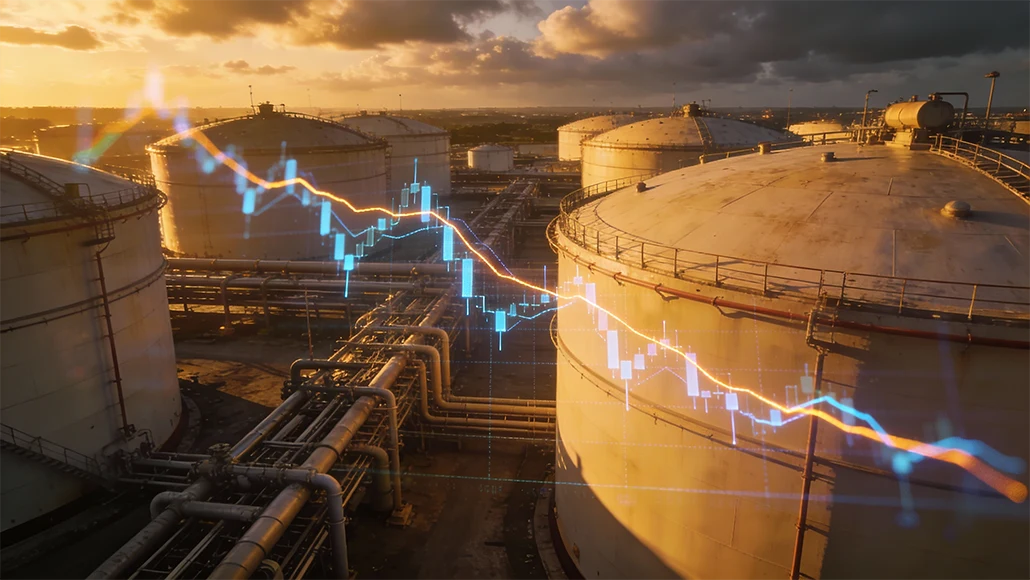
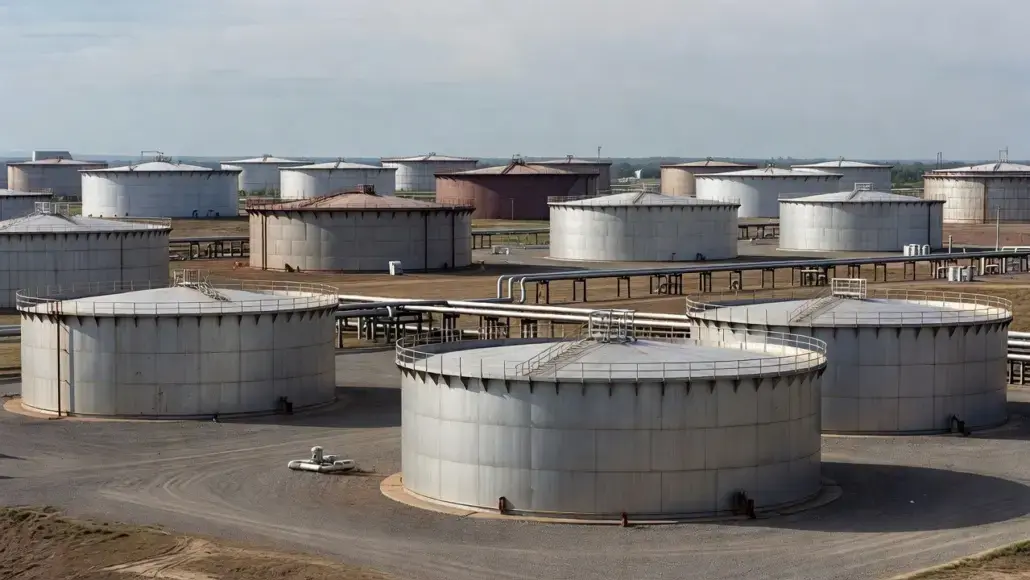
The global energy landscape in 2026 is undergoing a profound transformation as oil storage investments reach unprecedented heights, fueled by a renewed focus on national and regional energy security. This surge in capital expenditure represents a significant shift from the previous decade, where the emphasis was primarily on just-in-time delivery and minimizing inventory costs. Today, the volatility of geopolitical relations, coupled with the lessons learned from recent global supply chain disruptions, has repositioned storage infrastructure as a critical pillar of economic stability. Governments and private enterprises alike are recognizing that the ability to buffer against sudden supply shocks is no longer a luxury but a fundamental necessity for maintaining industrial output and domestic energy reliability.
The Strategic Imperative of Energy Security in the Modern Era
Energy security has evolved into a multi-faceted challenge that encompasses physical protection, digital resilience, and supply chain redundancy. The record oil storage investments are largely a response to the fragility of global logistics networks that were exposed during the early 2020s. Oil & Gas Advancement notes that by expanding storage capacity, nations can mitigate the immediate impacts of maritime chokepoint closures, regional conflicts, or natural disasters that might otherwise cripple an economy within days. This strategic hedging involves not only the expansion of Strategic Petroleum Reserves (SPR) but also the modernization of commercial hubs that facilitate the seamless flow of crude oil and refined products across borders.
Strengthening National Reserves and Strategic Buffers
Governments around the world have initiated massive programs to bolster their strategic petroleum reserves, moving beyond the traditional 90-day import coverage recommended by international bodies. These oil storage investments are directed toward building massive underground caverns and state-of-the-art surface tank farms that can store millions of barrels for extended periods. The focus is on creating a resilient buffer that can be mobilized instantly to stabilize domestic prices and ensure that critical infrastructure, from hospitals to defense systems, remains operational during prolonged crises. This renewed emphasis on state-owned storage marks a return to more conservative energy planning strategies that prioritize long-term stability over short-term fiscal efficiency.
Technological Advancements in Strategic Infrastructure
The construction of these new reserves is being guided by advanced engineering techniques that maximize safety and minimize environmental impact. Innovations in lining materials for salt caverns and the use of corrosion-resistant alloys in tank construction are ensuring that stored assets remain viable for decades without significant degradation. Furthermore, these facilities are being integrated with advanced monitoring systems that provide real-time data on volume, temperature, and pressure, allowing for proactive maintenance and rapid response to potential leaks or structural issues.
Regional Collaboration and Shared Storage Networks
In addition to domestic efforts, we are seeing a rise in regional storage partnerships where neighboring countries share infrastructure to optimize costs and enhance collective security. These collaborative oil storage investments allow smaller nations to access large-scale storage hubs that they could not afford to build independently. By creating a networked approach to energy security, these regions can present a more resilient front to global market fluctuations and ensure that localized disruptions do not cascade into broader regional energy crises.
Commercial Storage Expansion and Market Liquidity
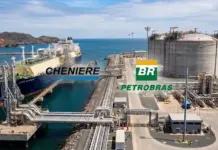
The private sector is also playing a pivotal role in the surge of oil storage investments. Independent storage providers and integrated energy companies are expanding their footprints in key trading hubs like Singapore, Fujairah, and the U.S. Gulf Coast. This expansion is driven by the need for greater market liquidity and the ability to capitalize on price differentials between different regions and timeframes. Modern storage terminals are no longer passive holding areas. They have become active logistics nodes that provide blending, heating, and transshipment services, adding value to the stored commodities and facilitating more efficient global trade.
The Role of Storage in Market Rebalancing
Storage acts as the ultimate shock absorber in the oil market, soaking up excess supply when production outpaces demand and releasing it when the reverse occurs. The current cycle of oil storage investments is particularly focused on creating flexible capacity that can handle various grades of crude and refined products. This flexibility is essential as the global energy mix continues to shift, requiring storage operators to be more agile in managing different types of liquid energy assets. By providing this buffer, storage terminals help to dampen extreme price volatility, benefiting both producers who need a place for their output and consumers who require stable fuel prices.
Attracting Institutional Capital to Infrastructure Projects
The stability and long-term nature of storage assets have made them increasingly attractive to institutional investors, such as pension funds and sovereign wealth funds. These investors are providing the massive capital required for the record oil storage investments, viewing storage terminals as essential infrastructure with predictable cash flows. This influx of non-traditional capital is enabling the development of larger and more sophisticated projects that might have been difficult to finance through traditional bank loans or corporate balance sheets alone. The professionalization of storage as an asset class is further driving improvements in operational standards and transparency across the industry.
Infrastructure Modernization and the Pursuit of Efficiency
A significant portion of the record oil storage investments is being directed toward the modernization of existing brownfield sites. Many older storage terminals are being retrofitted with the latest technology to improve their throughput, safety, and environmental performance. This modernization is crucial for meeting new regulatory standards and remaining competitive in a market that increasingly values efficiency and transparency. From automated loading racks to advanced fire suppression systems, the transformation of older infrastructure is as important as the construction of new capacity.
Integrating Digital Solutions for Operational Excellence
The digital transformation of storage terminals is a core component of the current investment cycle. By deploying Internet of Things (IoT) sensors, cloud-based analytics, and automated control systems, operators can achieve unprecedented levels of visibility and control over their assets. These oil storage investments in digital infrastructure are paying off through reduced operational costs, improved safety records, and better customer service. Real-time inventory tracking, for example, allows traders to make more informed decisions, while predictive maintenance models help operators avoid costly unplanned downtime.
Enhancing Safety and Environmental Compliance
Modernization efforts are also heavily focused on environmental stewardship. New storage projects are incorporating advanced vapor recovery units, double-walled tanks, and sophisticated leak detection systems to minimize the risk of spills and emissions. These oil storage investments are not only driven by regulatory requirements but also by a growing recognition within the industry that environmental performance is a key differentiator. By investing in cleaner and safer infrastructure, storage operators are protecting their social license to operate and ensuring their long-term viability in a decarbonizing world.
Optimizing Logistics and Throughput
Efficiency in a storage terminal is measured by how quickly and safely products can be moved in and out. The current wave of oil storage investments includes significant upgrades to pumping stations, piping networks, and marine jetties to increase loading and unloading speeds. Oil & Gas Advancement believes that by reducing the time tankers spend at berth, operators can significantly lower demurrage costs and increase the overall throughput of their facilities. These logistics improvements are essential for maintaining the competitiveness of major trading hubs and ensuring that energy supplies can be moved quickly to where they are needed most.
