


















Iraqi Oil Minister Basim Mohammed Khudair has confirmed the signing of an official one-year pipeline deal with the Turkish Ministry of Natural Resources and Turkish pipeline operator BOTAS. Following delegation talks in Ankara, the two nations established an initial export ceiling of up to 750,000 barrels per day. The temporary framework ensures the uninterrupted movement of crude through existing infrastructure while both governments prepare for long-term operational expansions.
Sustaining Transport Operations and Strategic Outlets
The newly finalized one-year pipeline deal replaces the previous bilateral agreement that expired on 26th July 2026. Official negotiations between Baghdad and Ankara successfully concluded with a mutual commitment to maintain operational continuity. Minister Khudair stated that the signed Iraqi oil exports agreement serves as a core pillar in securing strategic export channels and reinforcing Iraq’s national petroleum sector.
The one-year pipeline deal sets current capacity limits at 750,000 barrels per day. Over the course of the next year, both sides aim to draft a updated comprehensive framework agreement. Updating the original 1973 treaty is expected to help elevate Iraqi oil exports toward a target volume of 1.5 million barrels per day. In addition to transport via the Ceyhan pipeline, discussions extended to investment opportunities in Iraqi oilfields and potential joint ventures between Iraqi and Turkish energy entities across upstream and downstream segments.
Regional Coordination and Energy Security
Turkish Energy Minister Alparslan Bayraktar characterized the talks with the Iraqi delegation as productive. The formal agreement was executed between Botas and Iraq’s state entities, including the its oil marketing company (SOMO) and North Oil Company, to maximize utilization of the dual-nation pipeline network. Bayraktar underscored that maintaining steady crude oil transit through the corridor is increasingly vital for regional and global energy supply security.
Long-Term Infrastructure Objectives
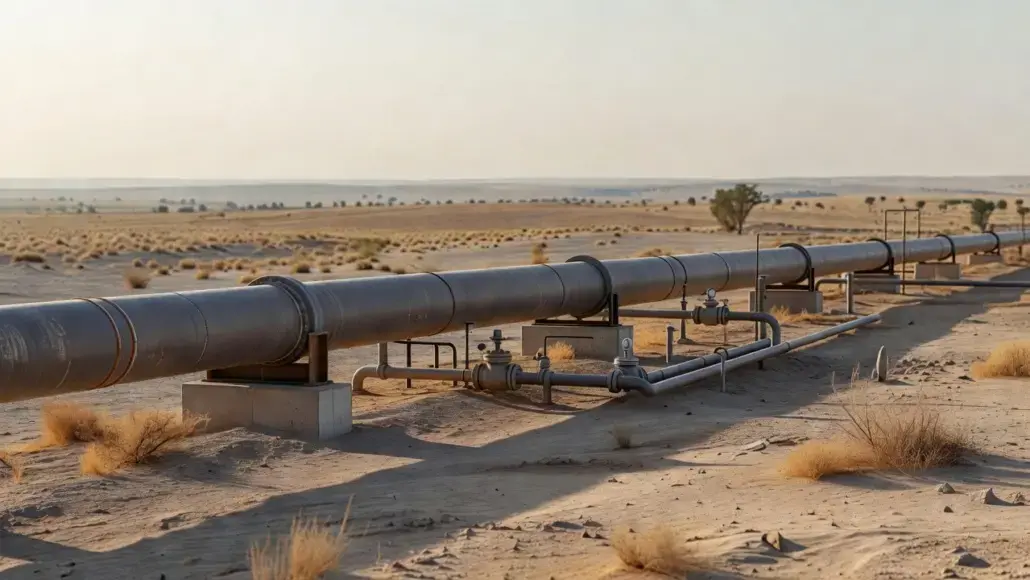
The pipeline has provided a central transit corridor connecting both countries for nearly five decades. While work continues on a long-term framework, the current energy agreement guarantees the ongoing flow of crude to international markets via Ceyhan. Türkiye reaffirmed that the primary goal remains full utilization of the infrastructure to support long-term cooperation, safely delivering energy resources while stabilizing the global energy supply through reliable crude oil transit and sustained Iraqi oil exports under the broader Iraqi oil exports agreement framework.
