
















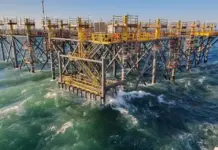


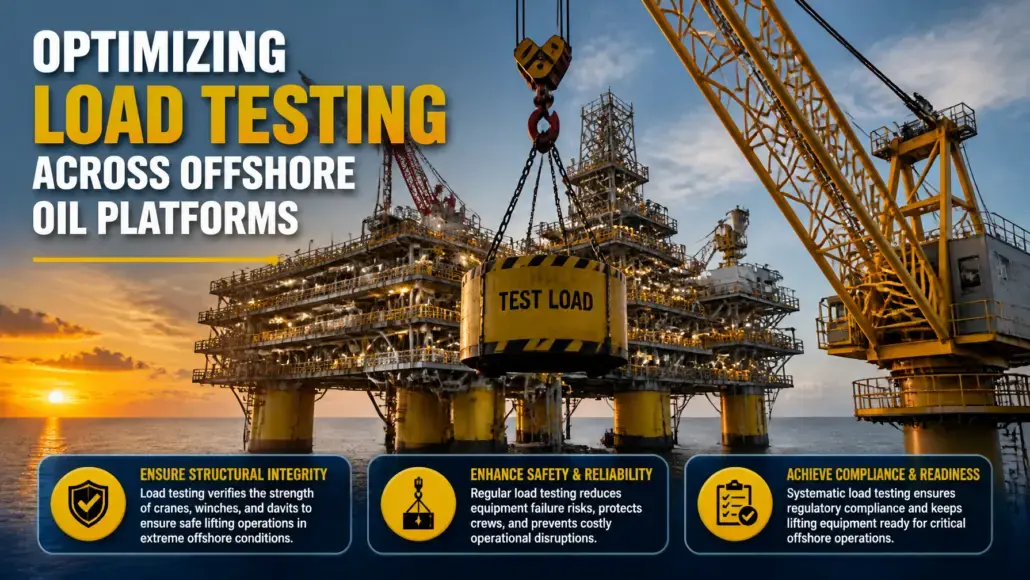
The structural integrity of an offshore oil platform is a marvel of engineering, designed to withstand the relentless forces of the open ocean while supporting thousands of tons of heavy machinery and production equipment. In such a high-stakes environment, the reliability of lifting equipment—cranes, winches, and davits—is not just a matter of operational efficiency. It is a fundamental requirement for the safety of the crew and the protection of the environment. Load testing is the critical process used to verify that this equipment can safely handle its rated capacity. However, traditional load testing methods are often time-consuming, resource-intensive, and can themselves introduce risks if not managed correctly. Today, the focus is on optimizing load testing for offshore oil platforms through the integration of digital tools, real-time sensing, and advanced simulation.
This shift toward offshore load testing optimization is driven by the need for more accurate data and a reduction in operational downtime. In an industry where every hour of delay can cost hundreds of thousands of dollars, the ability to perform a certified load test quickly and with a high degree of certainty is invaluable. Oil & Gas Advancement notes that by moving away from subjective manual checks toward a data-driven approach, operators can ensure that their lifting assets are not only compliant with international safety standards but are also operating at peak performance. This modernization of load testing is a key component of the broader digital transformation occurring across the offshore sector, providing a robust foundation for safe and sustainable energy production in the world’s most challenging maritime environments.
Modern Methodologies in Load Testing Verification
The traditional image of load testing involves massive steel weights or large water-filled bags suspended from a crane. While these physical weights remain the primary method for applying a proof load, the way the test is monitored and verified has undergone a significant transformation. Modern methodologies for offshore load testing optimization utilize high-precision digital load cells that provide instantaneous, accurate readings of the tension and stress within the lifting system. These load cells replace the mechanical gauges of the past, which were often difficult to read and prone to inaccuracies due to environmental factors like temperature and vibration.
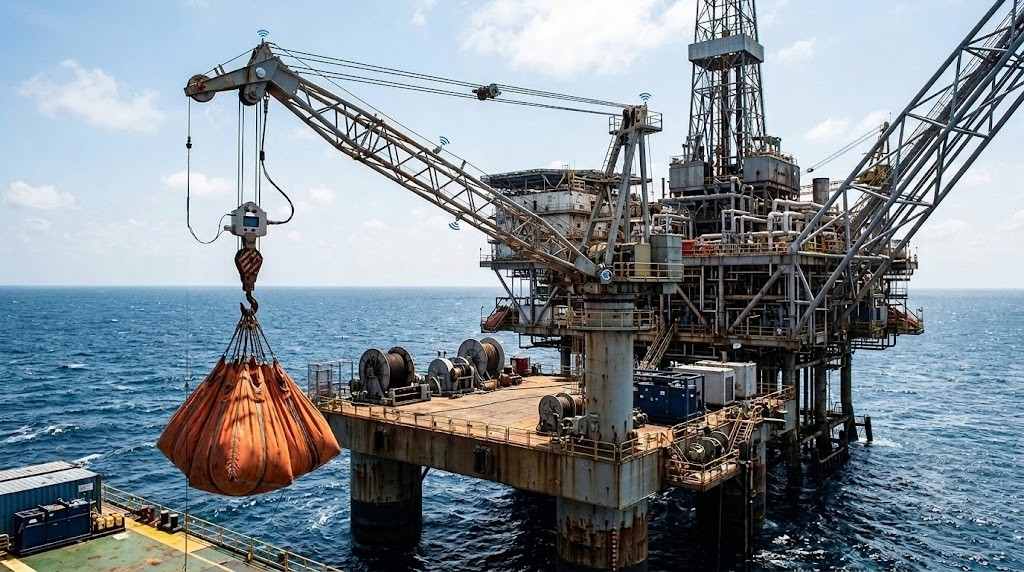
Digital verification allows for a level of transparency that was previously impossible. Every kilogram of weight applied during the test is recorded and time-stamped, creating a digital fingerprint of the operation. This data is not just used for the final certification. It is analyzed in real time to ensure that the load is being applied smoothly and that the crane’s structure is responding as expected. If the sensors detect any abnormal deflection or vibration, the test can be instantly paused, preventing a potential failure. This proactive approach to verification ensures that the load test itself does not become a hazard, providing a safer environment for the technicians and the platform’s critical infrastructure. This verification is essential before improving subsea lifting tech for deepwater projects, as subsea modules must be proven capable of withstanding surface-level forces before they are lowered to the seabed.
The Transition from Water Bags to Digital Load Cells
The use of water bags for load testing has become the industry standard for offshore platforms due to their portability and safety. Instead of transporting tons of steel weights to a remote location, operators can simply fly in a set of empty bags and fill them with seawater once on site. This logistical efficiency is a major part of offshore load testing optimization. However, the true value of the water bag method is realized when it is combined with digital load cells. These cells are placed in-line with the lifting cable, measuring the exact weight of the water as the bag is filled, allowing for a precise and controlled application of the proof load.
Digital load cells also offer the advantage of remote monitoring. The test data can be broadcast wirelessly to a handheld device or a centralized control room, allowing the safety officer and the crane operator to see the exact load status without needing to be in the immediate vicinity of the suspended weight. This separation between the personnel and the load is a significant safety improvement. Furthermore, the digital data can be easily integrated into the platform’s asset management system, providing an immutable record of the test that can be accessed for future audits or maintenance planning. The synergy between portable water weights and digital measurement is a cornerstone of modern offshore safety.
Wireless Data Acquisition and Real-Time Stress Mapping
One of the most exciting developments in load testing technology is the use of wireless data acquisition systems. These systems allow for the deployment of a network of sensors across the crane and the platform structure, capturing data on strain, tilt, and vibration during the test. For offshore load testing optimization, this means that engineers are no longer just measuring the weight on the hook; they are visualizing how the entire platform is responding to the force. This real-time stress mapping provides a comprehensive view of the structural integrity, identifying potential weak points that might be invisible to a simple weight test.
Wireless technology eliminates the need for long cables that can become a tripping hazard or be damaged by the movement of the crane. The sensors are often modular and can be easily attached to critical joints and members before the test begins. As the load is applied, the data is transmitted to a laptop or tablet, where advanced software creates a 3D visualization of the stress distribution. This allows engineers to verify that the crane is distributing the load according to its design specifications. By providing a deeper understanding of the structural dynamics, wireless sensing ensures that every load test is a thorough validation of the asset’s health, rather than just a check-box exercise.
Integrating Simulation and Predictive Analytics
Beyond the physical test itself, the optimization of load testing involves the use of advanced simulation and predictive analytics. Before a single drop of water is pumped into a test bag, engineers can conduct a virtual load test using Finite Element Analysis (FEA). This digital simulation allows them to predict how the crane will behave under the specific conditions of the upcoming test, taking into account the platform’s current age, environmental conditions, and maintenance history. By identifying potential issues in the virtual world, they can adjust the test plan to minimize risk and ensure a successful outcome.
Predictive analytics also play a role in the long-term management of lifting assets. By comparing the data from a current load test with historical results, the system can identify trends that indicate structural fatigue or mechanical wear. This allows for a move toward condition-based maintenance, where repairs are performed based on actual data rather than a fixed schedule. Offshore load testing optimization thus becomes a part of a larger lifecycle management strategy, helping operators extend the service life of their equipment and avoid the massive costs of unexpected structural failures. The data gathered during a load test is a valuable asset that continues to provide insights long after the certification has been signed.
Pre-Test Structural Modeling and Finite Element Analysis
The value of pre-test modeling cannot be overstated, particularly for older offshore platforms where the original design documents may be incomplete or where subsequent modifications have changed the structural behavior. By creating a high-fidelity digital twin of the crane and the supporting deck, engineers can run thousands of simulations to determine the optimal load path and the safest way to execute the test. This pre-test offshore load testing optimization ensures that the physical test is a validation of a known safe state, rather than a voyage into the unknown.
FEA modeling also allows for the testing of extreme scenarios that would be too dangerous to attempt in the physical world. For instance, engineers can simulate how the crane would respond to a sudden load drop or a structural failure at a specific joint. This foresight allows them to design better safety protocols and emergency response plans, ensuring that the platform is prepared for the worst-case scenario. By building a comprehensive digital foundation before the physical work begins, operators can execute their load testing campaigns with a level of confidence that was once unattainable, protecting their personnel and their multi-billion dollar assets.
Post-Test Data Validation and Lifecycle Forecasting
Once the physical load test is complete, the data validation phase begins. The information captured by the sensors is compared against the pre-test models to verify that the structure responded exactly as predicted. Any discrepancies are investigated, providing a valuable learning loop that improves the accuracy of future simulations. This rigorous validation process is a hallmark of offshore load testing optimization, ensuring that the final certification is backed by a mountain of objective, verified data. This transparency is increasingly required by both internal safety departments and external regulatory bodies.
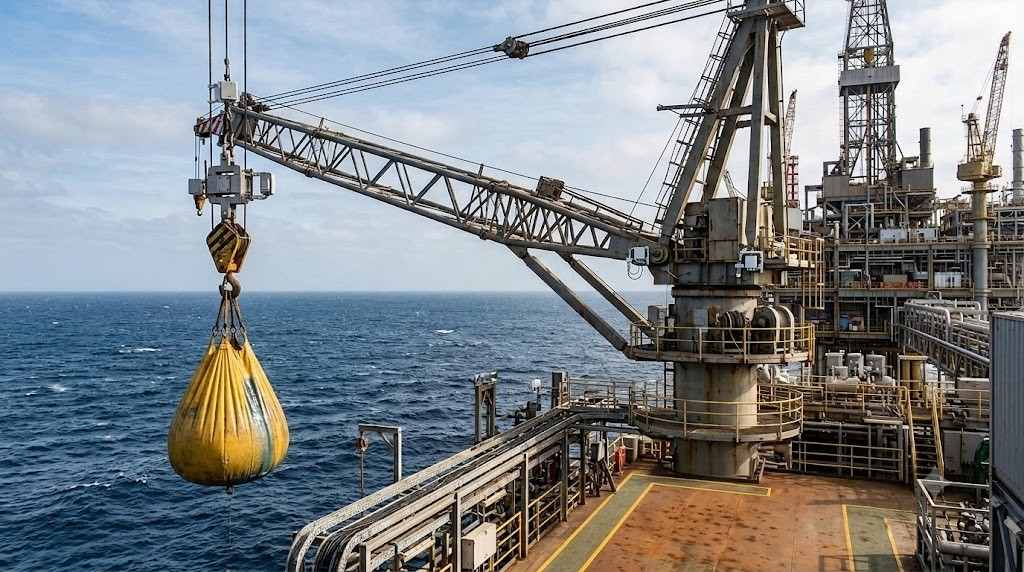
Lifecycle forecasting uses this validated data to predict the future health of the lifting asset. By analyzing the strain and deflection patterns recorded during the test, engineers can estimate the remaining fatigue life of critical structural members. This allows platform managers to make informed decisions about when to schedule major overhauls or when to plan for equipment replacement. By turning a routine safety test into a strategic diagnostic tool, the industry is improving the long-term economic viability of offshore operations. Load testing is no longer a isolated event; it is a vital checkpoint in the ongoing story of an offshore platform’s structural integrity.
Securing Heavy Lift Operations for Offshore Drilling
Safety Protocols and Regulatory Compliance in the Digital Age
The ultimate objective of any load test is to ensure compliance with international safety standards and regulations, such as those set by the American Petroleum Institute (API) or the International Organization for Standardization (ISO). These regulations are increasingly focusing on the quality and reliability of the data used for certification. Offshore load testing optimization meets these requirements by providing an immutable, transparent record of every test. Digital reports, complete with graphs of the load cycle and photos of the sensor setups, are becoming the standard deliverable, replacing the handwritten logs of the past.
Furthermore, the automation of the load testing process reduces the potential for human error and bias. The system does not look the other way when a reading is slightly out of spec; it records exactly what it sees, ensuring that every certification is based on hard facts. This level of integrity is crucial for maintaining the trust of regulators, insurers, and the public. Oil & Gas Advancement believes that by embracing the digital age, the offshore industry is proving that it is committed to the highest possible safety standards, using technology to bridge the gap between regulatory requirements and operational reality.
References
- MEDSERVREGIS AND SAEIPEM COLLABORATE ON SAFE COMPLETION OF 23T EQUIPMENT LIFT OPERATIONS
