








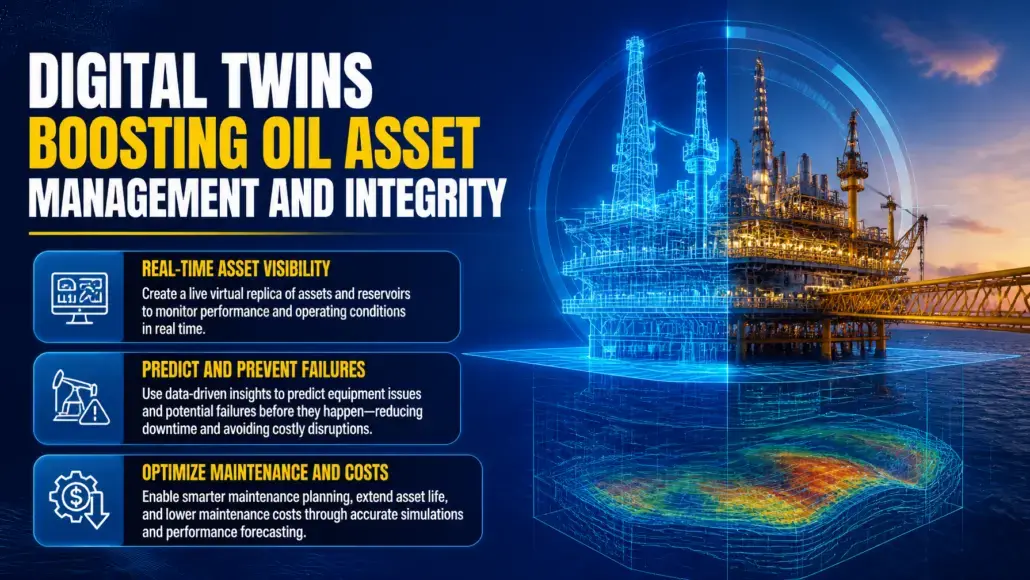
The management of aging oil and gas infrastructure has entered a new phase of efficiency driven by data-centric strategies. As assets reach the end of their original design lives, the cost of maintenance and the risk of unexpected failures often increase significantly. Oil and Gas Advancement observes that digital twins provide a solution to these challenges by creating a live virtual replica of physical equipment and subsurface reservoirs. This technology allows operators to visualize performance, predict failures, and optimize interventions with a level of precision that was previously impossible.
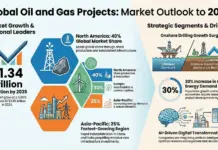
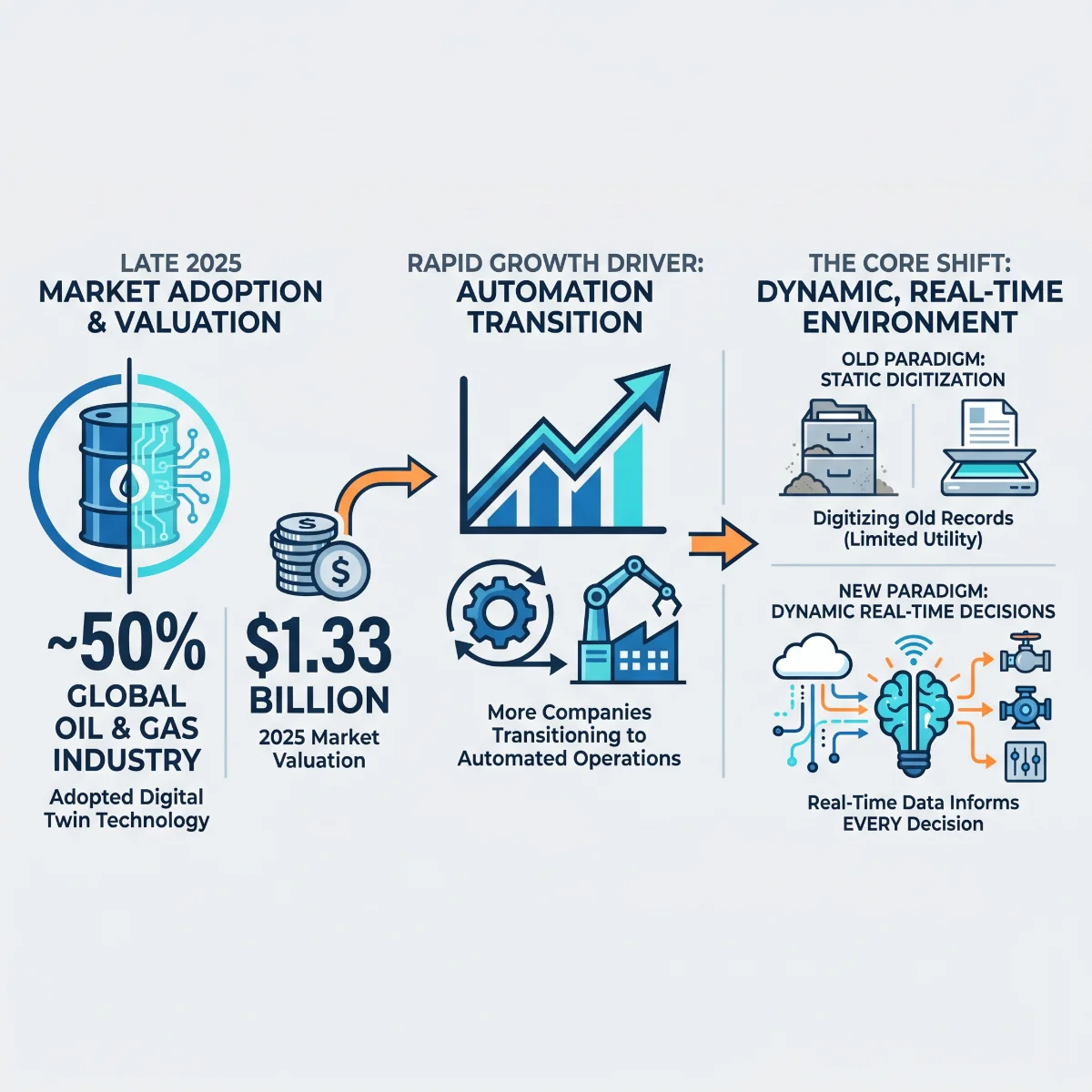
Market data from late 2025 indicates that approximately half of the global oil and gas industry has now adopted some form of digital twin technology. The market for these systems reached a valuation of 1.33 billion dollars in 2025 and is projected to grow rapidly as more companies transition to automated operations. This shift is not merely about digitizing old records but about creating a dynamic environment where real-time data informs every decision.
The value of a digital twin is most apparent in late-life assets where the margin for error is slim. By integrating data from thousands of sensors, operators can monitor the health of critical components such as subsea pumps, separators, and wellheads. This continuous oversight helps to prevent the kind of catastrophic equipment failures that can lead to premature field abandonment.
Predictive Maintenance and Structural Integrity
Primary applications for digital twins in mature fields include:
- Predictive Maintenance: By applying machine learning to real-time vibration, temperature, and pressure data, digital twins detect early wear patterns, replacing rigid calendar schedules with precisely timed interventions before scheduled shutdowns.
- Asset Integrity & Structural Health: By integrating historical inspection logs with live sensor monitoring, digital twins continuously track corrosion and fatigue across aging pipelines and offshore structures, overcoming manual inspection hurdles in harsh marine environments.
Siemens Energy and AVEVA have been instrumental in driving this digital transformation. Their 2026 partnerships focus on creating integrated digital environments that span the entire lifecycle of an asset. By connecting engineering design data with operational performance metrics, they provide a holistic view of asset health. This allows operators to run what-if scenarios to determine how changes in production rates or reservoir pressure will impact the structural integrity of the platform.
Subsurface Modeling and Reservoir Optimization
Beyond surface equipment, digital twins are also being used to model the subsurface environment. A reservoir digital twin combines historical production data with 4D seismic surveys and real-time well logs to create a high-fidelity model of fluid movement. This allows reservoir engineers to identify unswept zones where oil may still be trapped. In mature fields where the primary easy oil is gone, finding these remaining pockets is the key to extending the life of the field.
The integration of AI into these models is unlocking new levels of insight. Wood Mackenzie recently highlighted that AI-driven subsurface modeling could potentially unlock an extra trillion barrels of oil globally by optimizing recovery strategies. In a mature reservoir, a digital twin can simulate various injection patterns for water or CO2 to determine which will result in the highest incremental recovery.
Baker Hughes has been active in providing these integrated subsurface and surface digital twins. Their focus on rewriting the energy equation includes the use of digital tools to reduce emissions and increase efficiency. By optimizing the operation of pumps and compressors through digital twin oversight, they can significantly reduce the power consumption of a mature field.
Operational Efficiency and Remote Operations
The adoption of digital twins is also enabling a shift toward remote operations. In many mature fields, the cost of maintaining a full crew on an offshore platform is a major part of the operational expenditure. Digital twins allow experts located in onshore centers to monitor and control equipment as if they were on-site. This not only reduces costs but also improves safety by minimizing the number of people exposed to hazardous environments.
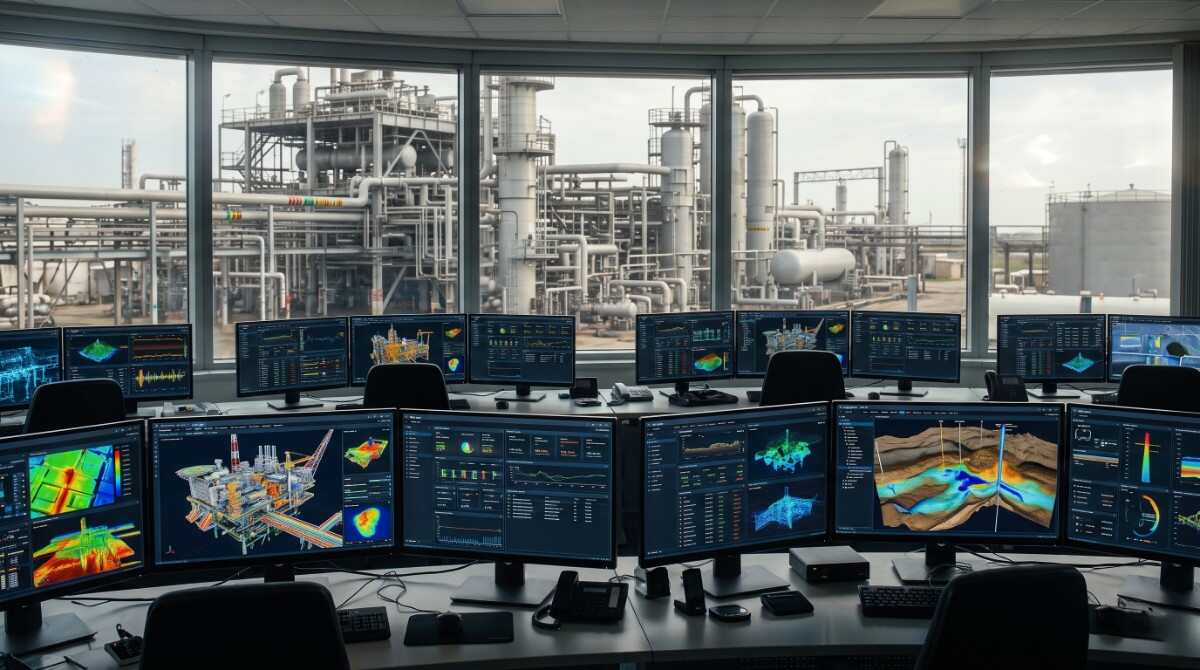
Kongsberg Digital has been a leader in this area with their Kognitwin platform. This system provides a collaborative work environment where different teams can access the same data and models. For a late-life asset, this means that maintenance, production, and reservoir teams can all work from a single source of truth. This coordination is essential for managing the complex trade-offs inherent in mature field operations.
The use of cloud-based platforms is making these tools more accessible to smaller operators. Previously, only the largest majors had the computing power and budget to implement full-scale digital twins. Now, software-as-a-service models allow companies to pay for the functionality they need. This democratization of technology is helping to level the playing field in the management of mature basins.
Integrating Decarbonization and Energy Management
As operators face increasing pressure to reduce their carbon intensity, digital twins are being repurposed for energy management. A digital twin can track the carbon footprint of every barrel of oil produced by monitoring the fuel consumption of generators and the flaring of gas. This data is essential for identifying opportunities to integrate renewable energy sources or improve overall process efficiency.
Decarbonization with hybrid power is a growing trend that relies heavily on digital twin oversight. When an operator adds wind turbines or solar arrays to an existing oil platform, the resulting hybrid power system becomes significantly more complex to manage. A digital twin can simulate how the fluctuating renewable energy supply will interact with the steady demand of the oil production equipment.
Challenges and the Path Forward
While the benefits of digital twins are clear, implementing them in older fields is not without challenges:
- Legacy System Integration: Older control architectures cannot natively export modern data streams, necessitating specialized middleware and costly hardware retrofits to establish cloud connectivity.
- Data Quality & Sensor Reliability: Aging instrumentation often drifts or fails, requiring strict data governance and ongoing sensor maintenance to prevent inaccurate feeds from compromising digital twin simulations.
Despite these challenges, the ROI for digital twin projects in mature fields remains strong. The ability to extend the life of a multi-billion dollar asset by even a few years can provide a massive return on the investment in digital technology. As we move through 2026, the question for most operators is no longer whether to adopt digital twins, but how quickly they can scale them across their entire portfolio.
References
- “Digital Twins in Oil and Gas Industry Forecast 2035” – DataM Intelligence
- “Digital Twin for Oil and Gas Assets Market Size” – Data Bridge Market Research
- “Siemens Digital Twin 2026 and AVEVA Partnerships” – Enki AI
- “Energy Transition Plan” – Equinor
- “How AI can unlock an extra trillion barrels of oil” – Wood Mackenzie
