








In the lifecycle of every oil and gas well, there comes a point where the natural energy of the reservoir begins to fade and the production rates start to drop. For many years, this decline was seen as an inevitable signal for abandonment, but today, the arrival of advanced stimulation technologies has changed the narrative.
Oil & Gas Advancement notes that by applying sophisticated physical and chemical processes, operators can now breathe new life into mature wells, unlocking reserves that were previously trapped in tight or damaged rock formations. This capability is central to the industrys efforts to maximize the recovery from every asset and to ensure a steady stream of energy for a growing world.
The Science of Well Stimulation
Well stimulation is a broad term that encompasses a variety of techniques designed to improve the flow of hydrocarbons into the wellbore. The most prominent of these is hydraulic fracturing, which involves pumping high pressure fluids into the formation to create cracks in the rock. These cracks are then held open by small particles called proppants, providing a highly permeable path for the oil and gas to reach the well. Advanced stimulation technologies has seen the development of new types of proppants and fluids that are more effective at creating and maintaining these pathways, even in the most challenging geological environments.

Another key stimulation technique is acidizing, which involves injecting acids into the formation to dissolve the minerals that are blocking the pores in the rock. This is particularly effective in carbonate reservoirs, where the acid can create large, interconnected channels that significantly enhance the permeability of the formation. The latest advancements in acidizing involve the use of specialized chemicals that can penetrate deeper into the reservoir without causing damage to the wellbore equipment. This precision allows for a more targeted treatment of the most productive zones, ensuring that the stimulation effort is as efficient as possible.
Real Time Diagnostics and Proactive Management
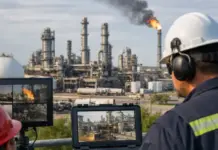
One of the most significant changes in the field of well stimulation is the move from a blind approach to one that is guided by real time data. Diagnostic tools such as microseismic monitoring and fiber optic sensing allow engineers to see exactly where the fractures are going and how the reservoir is responding to the treatment. This high resolution view of the stimulation process enables a level of control that was previously impossible. If a fracture is not growing in the desired direction, the pumping parameters can be adjusted immediately to correct the path.
This real time feedback loop is essential for maximizing the advanced stimulation technologies productivity. It allows for the optimization of the treatment design for every individual well, rather than relying on a one size fits all approach. By matching the stimulation effort to the specific geological and mechanical properties of the rock, operators can achieve better results with less fluid and proppant. This not only improves the economic performance of the project but also reduces the environmental footprint of the operation, a key priority for the modern energy sector.
Revitalizing Mature Fields and Unconventional Plays
The impact of advanced stimulation is perhaps most visible in the revitalization of mature energy basins. Many fields that were once considered near the end of their lives are now seeing a second act as operators apply modern stimulation techniques to previously bypassed zones. By combining horizontal drilling with multi stage fracturing, the industry can now produce from reservoirs that were once thought too tight to be economic. This has led to a significant increase in the total recoverable reserves of many older fields, providing a new lease on life for the communities and infrastructure that depend on them.

In the world of unconventional energy, advanced stimulation technologies are the engines that drives production. Shale formations have almost zero natural permeability, meaning that every well must be stimulated to produce at commercial rates. The ongoing refinement of fracturing techniques is allowing for the development of even tighter and deeper shale plays, expanding the geographic reach of the unconventional revolution. The ability to drill and stimulate longer laterals is also a key factor in the improved efficiency of these operations, as it allows more of the reservoir to be contacted from a single surface location.
Addressing Reservoir Damage and Flow Restrictions
Over the life of a well, the area immediately surrounding the wellbore can become damaged by the accumulation of fines, scale, or other materials that block the flow of fluids. This near wellbore damage is a major cause of declining productivity, and addressing it is a primary goal of many stimulation treatments. Advanced stimulation technologies include a range of chemical and mechanical solutions designed to clean the wellbore and restore the natural permeability of the rock. These treatments are often much more effective and less intrusive than traditional workovers, providing a cost effective way to maintain production.
The development of new, environmentally friendly stimulation fluids is also a major focus of innovation in the industry. Operators are increasingly looking for ways to reduce the amount of fresh water used in fracturing and to eliminate the use of hazardous chemicals. The move toward biodegradable fluids and the recycling of produced water is a key part of the industrys commitment to sustainable operations. These advancements in stimulation technology not only improve productivity but also ensure that the energy industry can continue to operate in a responsible and transparent manner.
Economic and Strategic Value of Enhanced Productivity
The economic benefits of maintaining high production levels through advanced stimulation are immense. For many operators, the cost of stimulating an existing well is a fraction of the cost of drilling a new one. By maximizing the output from existing assets, companies can improve their cash flow and reduce their overall capital intensity. This financial resilience is particularly important in a market where energy prices are unpredictable and capital is often constrained. Advanced stimulation technologies thus provide a strategic advantage that allows companies to navigate the challenges of the energy transition with greater confidence.
Furthermore, the increased production from mature wells helps to stabilize the global energy supply. By slowing the decline of large, established fields, the industry can ensure a more consistent delivery of energy to consumers. This reliability is essential for supporting economic growth and for ensuring that the transition to new energy sources is as smooth as possible. The continued investment in advanced stimulation is a testament to the industrys belief in the long term value of its existing assets and its commitment to meeting the worlds energy needs.
Future Directions in Stimulation Technology
Looking ahead, the field of well stimulation is poised for further breakthroughs. The integration of high performance computing and molecular modeling will allow for the design of even more effective stimulation fluids and proppants. There is also a growing interest in the use of automated pumping systems that can perform complex stimulation treatments with minimal human intervention. This will be supported by the further development of edge computing and satellite communications, enabling a more seamless flow of data between the field and the office.
Another exciting area of research is the development of smarter proppants that can provide real time information about the conditions inside the fracture. Oil & Gas Advancement believes that by embedding sensors directly into the proppant particles, engineers could monitor the pressure and temperature throughout the productive life of the well. This level of insight would allow for even more precise reservoir management and for the further optimization productivity through advanced stimulation technologies. As these and other innovations continue to mature, the ability to maintain and enhance the productivity of the worlds energy wells will only continue to improve.
