



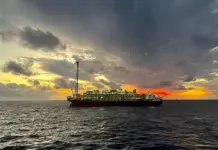
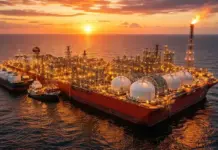




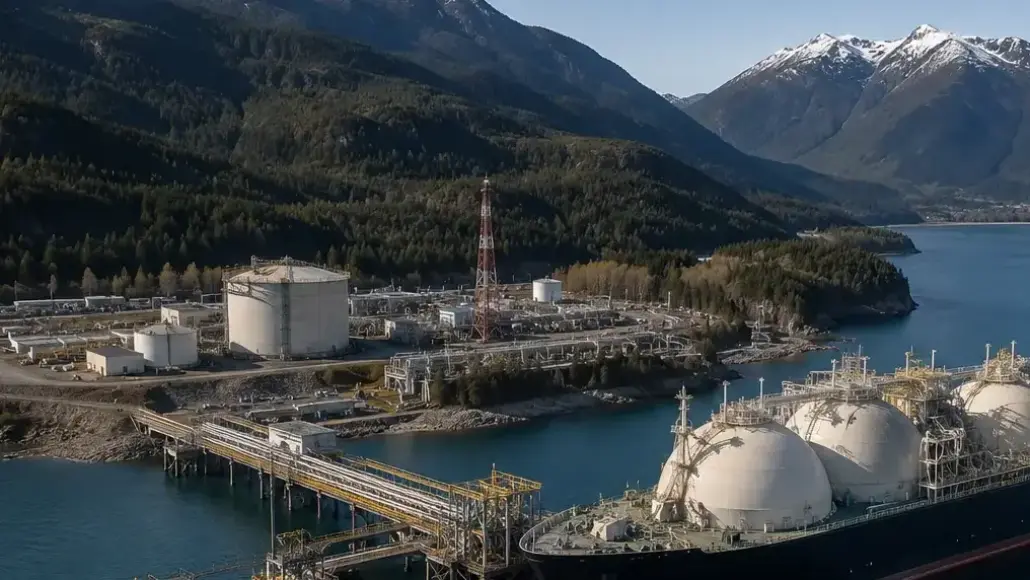
A substantial development is on the horizon for Canada’s energy sector as Kanata Clean Power & Climate Technologies Corp. has entered into a memorandum of understanding (MOU) with South Korea’s Hanwha Ocean. This strategic agreement paves the way for potential collaboration on a proposed floating liquefied natural gas (FLNG) export project situated in Prince Rupert, British Columbia.
Exploring a New Era for LNG Export
The non-binding MOU signifies a crucial step in the joint exploration of opportunities across various facets of the Canada FLNG project. This includes detailed considerations for engineering and construction of the FLNG production and associated facilities, as well as ongoing operations and maintenance services throughout the facilities’ lifespan. The partnership will also delve into the potential for strategic equity participation by Hanwha Ocean or its affiliated entities, alongside long-term arrangements for liquefied natural gas (LNG) purchase and midstream solutions.
A Project of Substantial Scale
Kanata estimates the total capital expenditures for this ambitious Canada FLNG project to be approximately $15.7 billion. This figure is subject to the outcomes of final engineering designs, commercial agreements, and necessary regulatory approvals. The FLNG export project is designed to accommodate a significant capacity, projected to reach up to 12 million tonnes per annum (mtpa).
Philippe Levy, President of Hanwha Ocean’s Energy Plant Unit, said, “Canada has world-class natural gas resources and strong long-term potential to support reliable LNG supply to Asia-Pacific markets. We are pleased to establish this strategic relationship with Kanata and to explore how Hanwha Ocean’s FLNG, offshore engineering, construction, and marine energy capabilities could contribute to the proposed Kanata LNG project.”
Strategic Location and Technological Approach
The Kanata LNG project, envisioned as a floating LNG export facility, benefits from its location near Prince Rupert. This port is North America’s closest Pacific gateway to Northeast Asia. The project intends to harness modular construction techniques and marine-based liquefaction technology to ensure scalable export capacity.
Robert F. Delamar, Chief Executive Officer of Kanata Clean Power & Climate Technologies, said, “We are delighted to welcome Hanwha Ocean as a strategic partner in Kanata LNG through this memorandum of understanding. Hanwha brings globally recognized capabilities in floating infrastructure, shipbuilding and energy systems, making it an outstanding collaborator as we advance the project.”
Inclusivity and Future Approvals
In a notable aspect of community engagement, Kanata has extended an offer to participating First Nations to acquire up to a 50% ownership interest in the Canada FLNG project. This opportunity is contingent upon successful negotiations, securing financing arrangements, and obtaining all applicable approvals. The progression of the proposed Kanata LNG project remains dependent on a comprehensive range of approvals and conditions, including thorough environmental assessments, meaningful engagement with Indigenous communities, securing regulatory endorsements, and the successful negotiation and execution of definitive commercial agreements.
