












The global energy sector is at a crossroads where operational success is no longer measured solely by throughput and profit, but by environmental stewardship and social responsibility. Investors, regulators, and the public are demanding unprecedented transparency regarding carbon footprints and methane leakage. For the midstream industry, this has made ESG (Environmental, Social, and Governance) compliance a central pillar of corporate strategy. Oil & Gas Advancement notes that the implementation of smart pipeline technologies is the primary catalyst for this shift, providing the data-driven tools necessary to drastically reduce emissions, enhance safety, and prove to the world that fossil fuel infrastructure can be managed with modern sustainability standards.
The Digital Path to Decarbonization
At its core, the smart in smart pipeline technologies refers to the integration of the Internet of Things (IoT), advanced analytics, and automated control systems into the physical infrastructure. This connectivity allows for a level of operational finishing that was previously unattainable. By optimizing pump and compressor station performance through AI-driven algorithms, operators can significantly reduce the energy intensity of moving fluids. Every kilowatt-hour saved in the operation of the pipeline translates directly to a reduction in Scope 2 emissions. This energy efficiency is the first and perhaps most direct way that digital transformation supports ESG compliance.
Methane Mitigation: The Front Line of Environmental Compliance
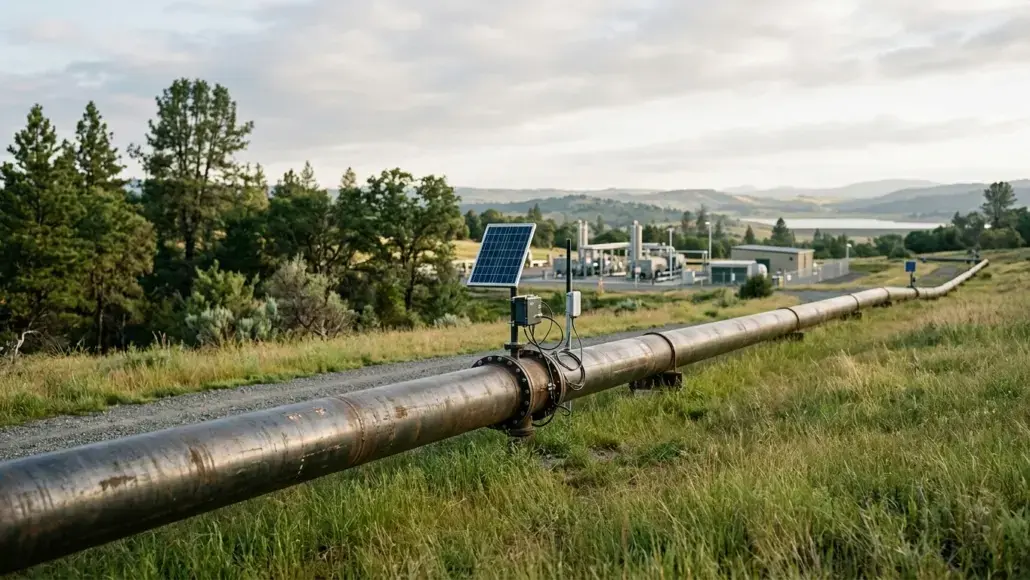
Methane is a critical focus for the industry due to its high global warming potential, and smart pipeline technologies are providing the solutions for its near-zero emission goals. Modern pipelines now employ a multi-layered detection strategy, utilizing fixed sensors at high-risk points, mobile robotic sniffers, and satellite-based spectral imaging. These systems are integrated into a centralized dashboard that provides a real-time emissions map of the entire network. Instead of relying on annual leak surveys, operators can now identify and fix a leaking valve or flange within hours of the first ppm (parts per million) detection, virtually eliminating the chronic small leaks that have historically plagued the industry.
Enhancing Safety and Social Responsibility
The ‘S’ in ESG refers to the social impact of operations, which in the pipeline world is synonymous with public safety and community trust. Smart pipeline technologies enhance this by providing predictive safety capabilities. By analyzing historical data and real-time sensor inputs, these systems can predict the likelihood of an incident in a specific high-consequence area (HCA). This allows operators to be proactive in their engagement with local communities—performing preventative maintenance and sharing safety data transparently. This radical transparency fostered by digital systems is essential for maintaining the social license to operate in an increasingly climate-conscious world.
Data Integrity and the Governance of ESG Reporting
Governance in ESG requires that the data shared with stakeholders be accurate, verifiable, and audit-ready. Smart pipeline technologies provide a digital thread of information from the sensor to the boardroom. Blockchain and other distributed ledger technologies are beginning to be used to record emissions data, ensuring that it cannot be altered or misrepresented. This level of data governance is vital for complying with new regulations, such as the SEC’s climate disclosure rules or the EU’s Methane Strategy. By providing a single source of truth, these technologies eliminate the guesswork and manual errors that often undermine ESG reporting.
Transitioning to Low-Carbon Fuels: The Hydrogen Ready Pipeline
As the world transitions toward cleaner energy, smart pipeline technologies are playing a crucial role in repurposing existing infrastructure for low-carbon fuels like hydrogen and CO2 (for Carbon Capture and Storage). Hydrogen is a much smaller molecule than methane, making it more prone to leakage and embrittlement of the steel pipe. Digital monitoring systems are being developed specifically to handle these new challenges, using high-sensitivity acoustic and pressure sensors to manage the unique characteristics of hydrogen. This ability to adapt existing assets for the energy transition is perhaps the ultimate ESG success story, extending the life of current investments while supporting global climate goals.
The Economic Case for Sustainable Operations
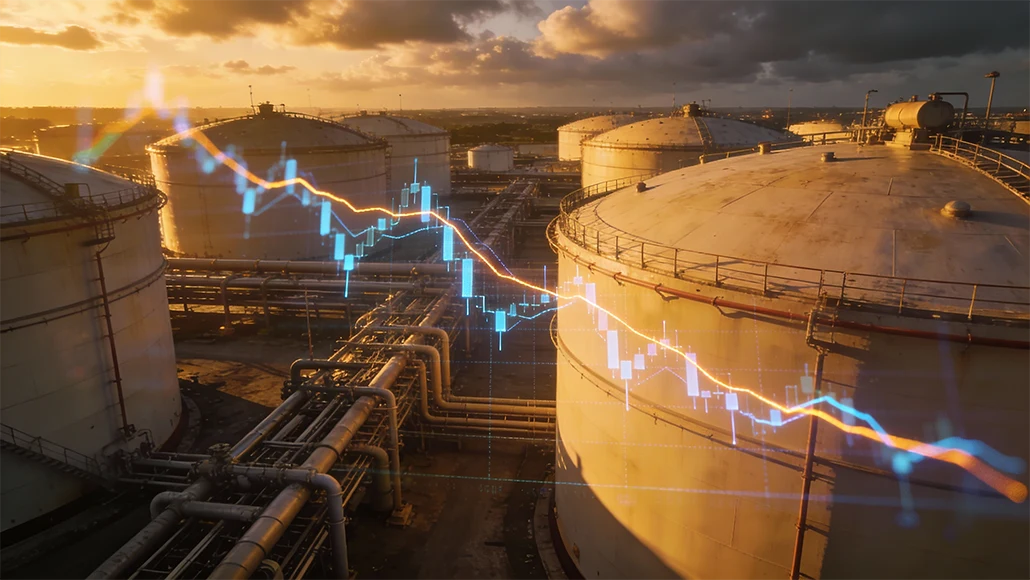
While the initial investment in smart pipeline technologies can be significant, the economic benefits of ESG compliance are increasingly clear. Companies with strong ESG ratings often enjoy a lower cost of capital and higher valuations. Furthermore, the operational efficiencies gained through digital transformation—such as reduced energy costs, fewer fines for environmental non-compliance, and optimized maintenance schedules—often result in a compelling Return on Investment (ROI). In the modern energy landscape, being green is no longer a cost of doing business; it is a competitive advantage that ensures long-term financial and operational resilience.
The future of the pipeline industry is being written in code as much as in steel. The transition to digital, zero-emission operations is a journey of continuous improvement, where technology and environmental responsibility are woven together into a single, unified operational philosophy.
Conclusion
The adoption of smart pipeline technologies marks a significant turning point for the energy industry as it strives to balance operational excellence with growing environmental and social expectations. Digital innovations such as AI-powered analytics, IoT-enabled monitoring, advanced leak detection, predictive maintenance, and automated reporting are transforming pipelines into intelligent assets capable of minimizing emissions while maximizing efficiency and reliability. These technologies not only strengthen ESG compliance but also enable operators to make faster, data-driven decisions that improve safety, reduce operational risks, and build greater trust with regulators, investors, and local communities.
As climate regulations become more stringent and global decarbonization efforts accelerate, the ability to demonstrate measurable environmental performance through ESG compliance will become a defining competitive advantage. Smart pipeline technologies provide the transparency, accuracy, and operational visibility needed to meet evolving reporting standards while supporting the transition toward lower-carbon fuels, including hydrogen and carbon capture infrastructure. At the same time, they help organizations optimize resource utilization, lower operating costs, and extend the lifespan of critical assets.
Looking ahead, ESG compliance will increasingly be viewed not as a regulatory obligation but as a strategic driver of long-term business resilience and innovation. Companies that invest in intelligent pipeline infrastructure today will be better positioned to navigate future regulatory requirements, attract sustainable investment, and contribute to a safer, cleaner, and more efficient energy ecosystem. Oil & Gas Advancement believes that by integrating digital intelligence with responsible operational practices, the pipeline industry can play a vital role in delivering secure energy supplies while advancing global sustainability objectives for decades to come.
