


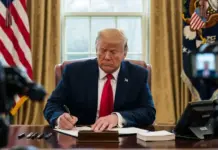



Türkiye’s resident Recep Tayyip Erdoğan and Energy Minister Alparslan Bayraktar detailed an expansive Türkiye energy corridor strategy on 22nd May 2026 aimed at redefining regional energy routes. During the Istanbul energy summit, officially known as the International Natural Resources Summit (INRES), officials emphasized the necessity of new oil, gas, and electricity pathways to navigate an increasingly volatile global landscape. This strategic vision seeks to link resources from Central Asia and the Gulf directly to Europe, bypassing vulnerable maritime chokepoints.
Minister Bayraktar characterized the current global climate as an “age of uncertainty,” citing ongoing conflicts, supply chain vulnerabilities, and the intensifying competition for critical minerals. To mitigate these risks and enhance regional energy security, the ministry proposed a series of interconnected infrastructure projects under the energy corridor strategy to foster greater regional integration and stability.
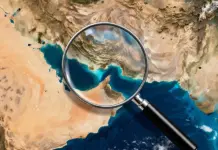
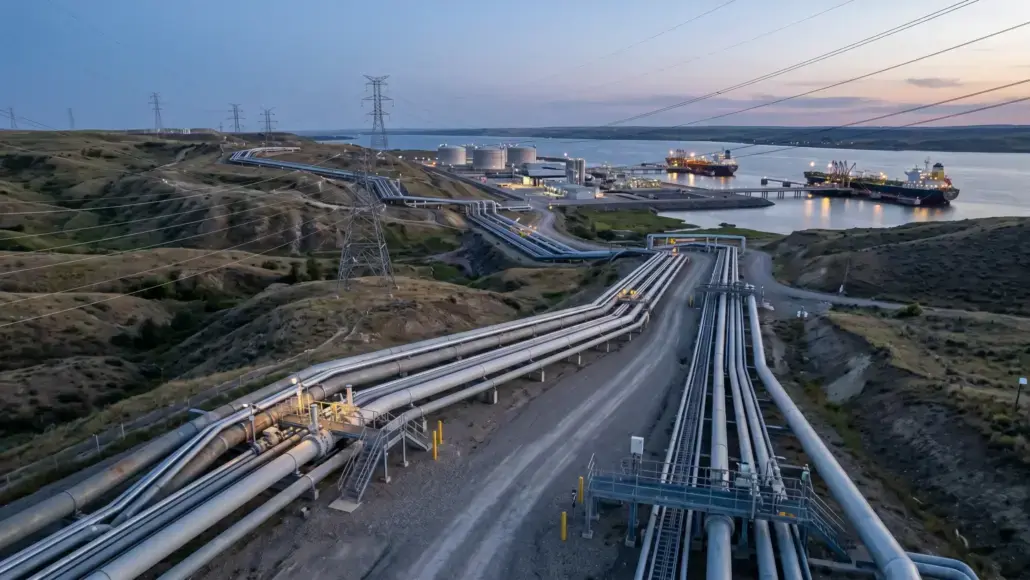
A primary component of this energy corridor initiative involves the Iraq-Türkiye pipeline. Bayraktar suggested extending this vital conduit to Basra, providing Iraqi crude oil with a reliable export alternative should instability disrupt traditional shipments through the Strait of Hormuz. This move is seen as a critical step in safeguarding global energy flows against regional volatility.
President Erdoğan highlighted that recent geopolitical crises have solidified the nation’s role as a bridge between energy producers and consumer markets. He noted that the country has transitioned into a reliable diplomatic and energy partner. A significant pillar of this transition is the surge in natural gas production. The Sakarya Gas Field in the Black Sea is expected to see its daily output more than quadruple by 2028, eventually providing fuel to approximately 17 million households.
The President also identified the Gabar oil discovery in southeastern Türkiye as a pivotal moment for both national security and regional development. He observed that regions previously hindered by security concerns are now experiencing a surge in investment, employment, and tourism, driven by the burgeoning energy sector.
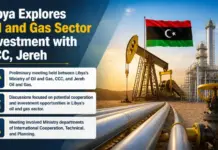
The Istanbul energy summit drew high-level participation from Azerbaijan, Georgia, Libya, Moldova, Nigeria, Sudan, and Somalia. Discussions focused on the intersection of critical minerals, interconnectivity, and long-term cooperation. Azerbaijan’s Energy Minister, Parviz Shahbazov, remarked that the 21st century would be defined by supply security and the strength of trusted partnerships.Furthermore, in a significant financial commitment to the region’s future, Libya announced plans to facilitate nearly $20 billion in energy-related investments over the next two decades.
