










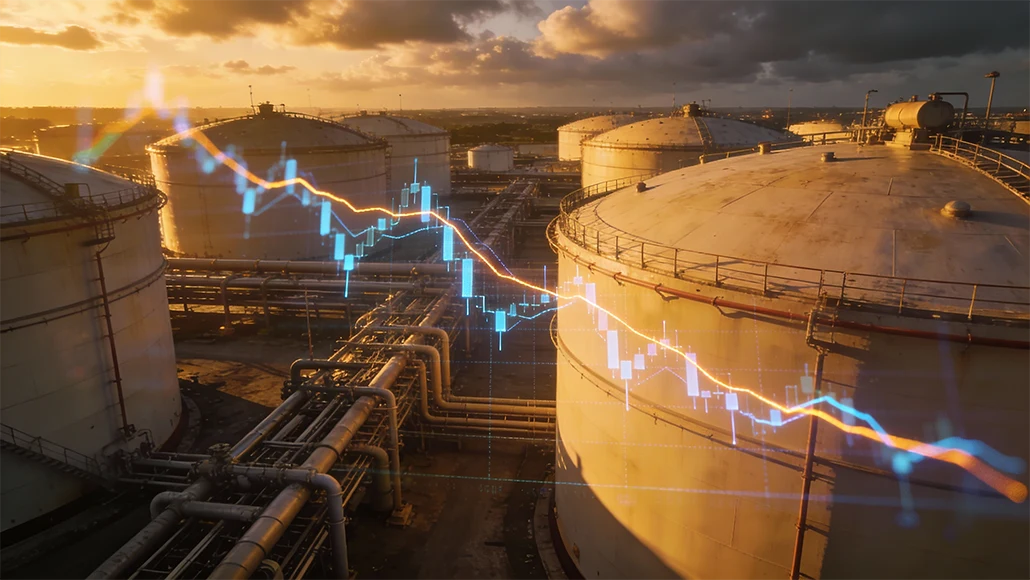
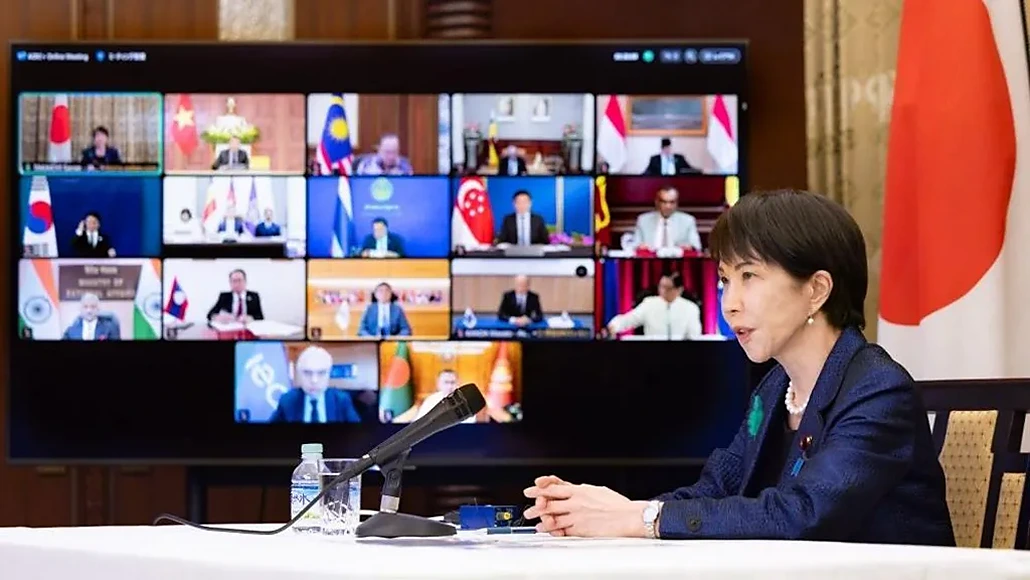
Japan has committed $10bn financial aid to support its Asian neighbours, with a particular focus on South East Asia, as countries across the region grapple with energy supply disruptions linked to the Iran war. The announcement was made by Japanese Prime Minister Sanae Takaichi following an online meeting with regional leaders. The $10bn financial aid initiative forms part of a broader cooperation framework aimed at ensuring continued access to crude oil and stabilising supply chains during a period of heightened uncertainty.
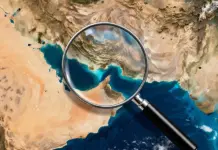
Speaking after the discussions, Takaichi highlighted Japan’s reliance on South East Asia for petroleum-derived products, particularly in sectors such as medical equipment. “Japan is closely interconnected with each Asian country through supply chains and mutually dependent with them,” she said. The newly outlined framework, backed by $10bn financial aid, is intended to assist countries in procuring crude oil and petroleum products, while also strengthening supply chain resilience and increasing stockpiles. The urgency of the initiative reflects Asia’s vulnerability to disruptions in the Strait of Hormuz, through which nearly 90% of oil and gas shipments destined for the region pass.
According to Japan’s foreign ministry, the $10bn financial aid package is roughly equivalent to a full year of crude oil imports for countries within the Association of South-east Asian Nations. Leaders from the Philippines, Malaysia, Singapore, Thailand, Vietnam, Bangladesh and South Korea welcomed the plan during the meeting. Funding will be sourced through multiple institutions, including the Japan Bank for International Co-operation, Nippon Export and Investment Insurance, the Japan International Co-operation Agency, and the Asian Development Bank. Takaichi emphasized that the programme would not compromise Japan’s domestic oil availability.
By the end of 2025, Japan had reserves sufficient for 254 days of domestic consumption, although authorities have already begun drawing on these stocks amid the global energy crisis. Last month saw the release of a record 50 days’ worth of oil, with a further 20 days’ supply expected to be released in early May. Concerns have also been mounting over potential shortages of naphtha, a crude oil-derived petrochemical essential for producing plastics used in medical supplies such as syringes, gloves and dialysis equipment. While Takaichi sought to reassure the public, warning there would be no immediate disruption, apprehension persists that supply constraints could strain Japan’s healthcare system, which is already under pressure from an aging population. Across South East Asia, governments are responding to rising oil prices with conservation measures, while the Philippines has declared a national energy emergency. At the same summit, Philippine President Ferdinand Marcos Jr called on Asean to activate its fuel-sharing pact.
