






Indonesia is pushing ahead with a series of large-scale oil and gas developments as it works to revive domestic production and reinforce its role as a regional energy and industrial hub. This renewed focus on energy infrastructure is also opening up fresh opportunities across the project logistics supply chain. The government has intensified efforts to accelerate key projects in order to raise output levels and attract foreign investment into its oil, gas and infrastructure sectors, positioning energy infrastructure at the center of its broader economic strategy.
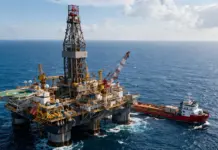
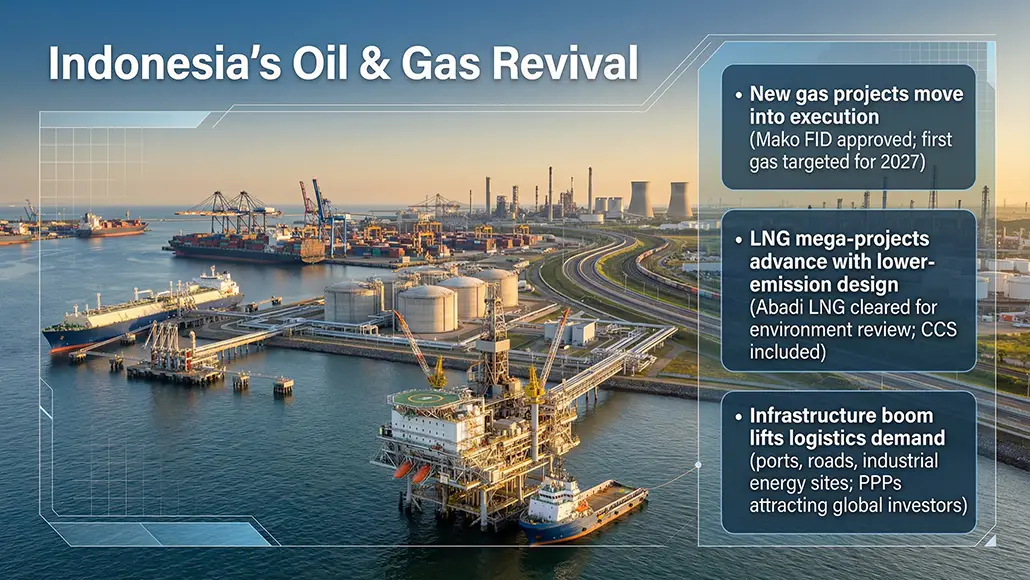
A major step forward came in March 2026, when Conrad Asia Energy approved a final investment decision (FID) for the Mako gas project in the Duyung production sharing contract (PSC) area in the West Natuna Sea. The USD 320 million development is expected to deliver first gas in the fourth quarter of 2027 and is considered one of the largest undeveloped gas resources in the region. The project is part of a wider national push to reinvigorate upstream activity and curb reliance on energy imports. In 2025, Indonesia set ambitious production targets of 1 million barrels of oil per day and 12 billion cubic feet of gas per day by 2030, underscoring the importance of sustained investment in energy infrastructure.
Other major projects are progressing in parallel. The Abadi LNG development in the Masela Block, led by Inpex, secured environmental approval under Indonesia’s AMDAL framework in February 2026, marking a critical regulatory milestone. The USD 20 billion project could produce 9.5 million tonnes per year of LNG and will incorporate carbon capture and storage (CCS) systems to reduce emissions. Meanwhile, the Tangguh Ubadari, CCUS and Compression (UCC) project in West Papua, operated by bp and its partners, reached FID in late 2024 with an estimated value of USD7 billion. It is expected to unlock around 3 trillion cubic feet of additional gas resources while extending the life of the existing Tangguh LNG complex. In addition, Eni is advancing plans in the Kutei Basin, where the proposed Geng North and Gendalo-Gendang gas fields would form a “Northern Hub” aimed at consolidating offshore operations and improving project economics.
This surge in upstream activity is occurring alongside rapid expansion in Indonesia’s construction sector, which has become a key pillar of the national economy. Investment reached approximately USD 280 billion in 2024 and is projected to surpass USD 300 billion, according to HFW. Spending is heavily concentrated on transport and industrial energy infrastructure, including roads, ports, railways, airports, power generation facilities, refineries and urban transit systems. Over the past decade, the government has prioritized such projects to support its transition toward value-added industries and deeper integration into global supply chains. Under president Prabowo Subianto, Indonesia continues to promote large infrastructure programmes and public-private partnership (PPP) models to attract international investors from Japan, China, South Korea, Australia, as well as Europe and the Middle East.
