










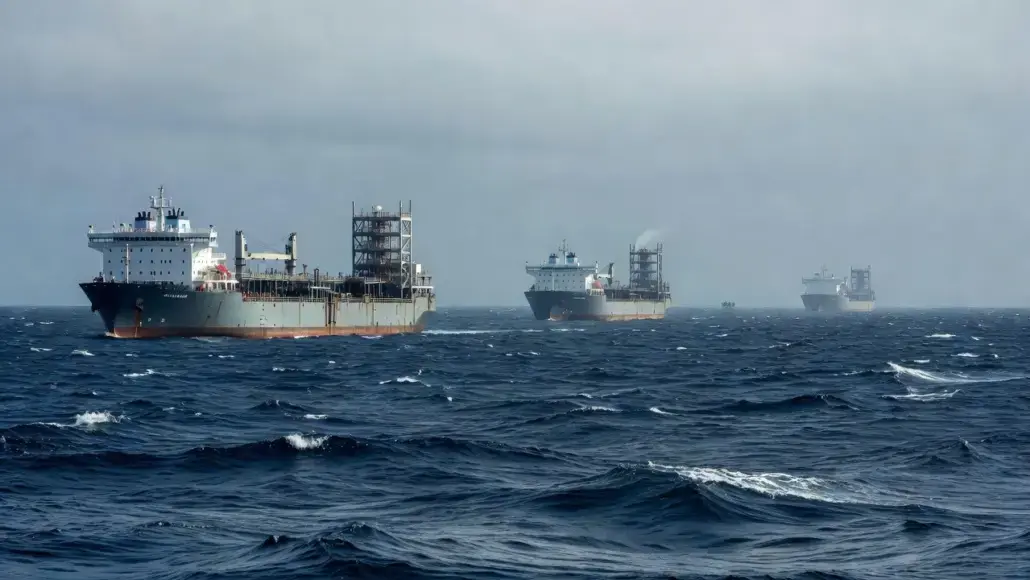
The global energy landscape is undergoing a profound transformation as offshore exploration pushes into deeper waters and more remote environments. In this context, the traditional reliance on fixed subsea pipelines and onshore tank farms is being challenged by the need for greater agility and cost-efficiency. Smart floating oil storage has emerged as a cornerstone of modern offshore logistics, providing a versatile and technologically advanced alternative to conventional storage infrastructure. These systems, ranging from converted tankers to purpose-built Floating Storage and Offloading (FSO) units, are no longer just passive reservoirs; they are becoming intelligent nodes in a digitized supply chain.
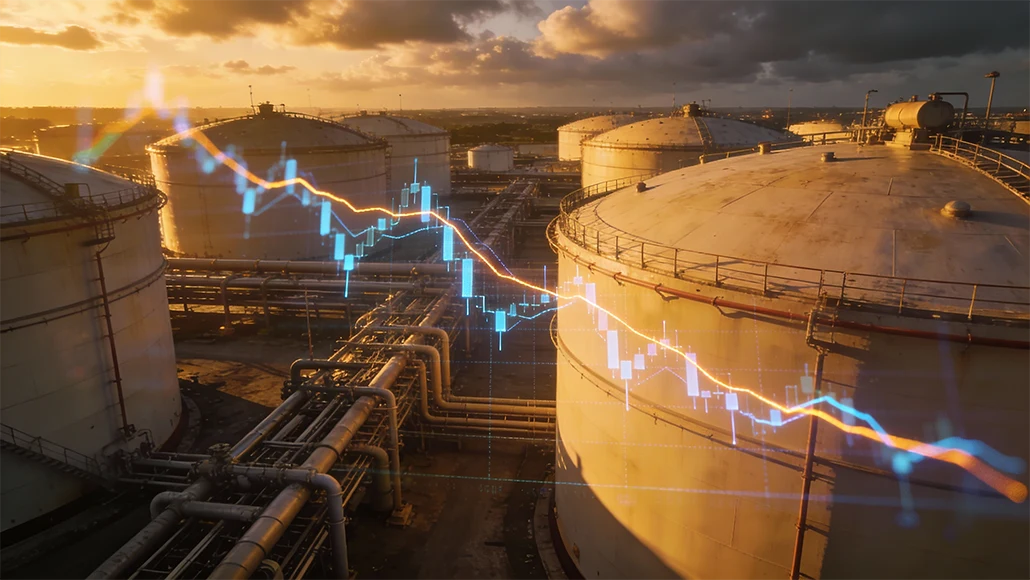
For decades, the industry viewed floating storage primarily as a tactical response to market volatility or regional infrastructure gaps. However, the integration of Industrial Internet of Things (IIoT) sensors, real-time data analytics, and automated monitoring has elevated the role of these assets. Today, a smart floating oil storage unit functions as a sophisticated data center on the water, capable of monitoring structural integrity, cargo stabilization, and environmental conditions with unprecedented precision. Oil & Gas Advancement notes that this shift is driven by the dual necessity of reducing operational expenditures (OPEX) and meeting increasingly stringent safety and environmental regulations.
The Evolution of Offshore Storage Infrastructure
The transition from fixed platforms to floating solutions represents a significant milestone in marine engineering. Fixed structures, while robust, are capital-intensive and geographically locked. When an offshore field matures or market conditions shift, these assets can become liabilities that require expensive decommissioning. In contrast, smart floating oil storage units offer inherent mobility and modularity. They can be deployed to a specific field, integrated into the production workflow, and later decommissioned or relocated with relative ease. This flexibility is particularly valuable in the current market, where energy companies must remain responsive to rapid fluctuations in global demand, shifting trade routes, and complex geopolitical dynamics.
Beyond mobility, the smart component of these storage solutions is what truly sets them apart from the tankers of the past. Modern FSO and FPSO (Floating Production, Storage, and Offloading) units are equipped with a web of high-fidelity sensors, including fiber-optic strain gauges and ultrasonic transducers, that track everything from the chemical composition of the crude to the structural fatigue levels of the hull. By leveraging digital storage monitoring, operators can predict maintenance needs before they escalate into costly failures. This predictive approach is essential for offshore operations where a single day of downtime or a minor technical glitch can result in millions of dollars in lost revenue and increased insurance premiums.
Structural Integrity and Advanced Hull Design
A key aspect of smart floating oil storage is the advancement in hull design and structural health monitoring. Modern units are designed with double-hull configurations and specialized coatings that resist the corrosive effects of the marine environment for decades. However, the true innovation lies in the digital skin that now covers these vessels. Embedded sensors provide a continuous stream of data regarding hull stress, bending moments, and local vibration. This information is crucial for units operating in cyclonic regions or areas with extreme wave heights, where the structural integrity of the storage unit is the only thing standing between a successful operation and an environmental disaster.
Furthermore, the design of these units is increasingly focused on the circular economy. Many smart floating storage solutions are created by converting existing VLCCs (Very Large Crude Carriers) that have reached the end of their trading life. By retrofitting these vessels with modern digital monitoring systems and advanced mooring equipment, companies can extend the useful life of the steel and reduce the carbon footprint associated with building new structures from scratch. This approach not only saves costs but also aligns with the broader industry goal of maximizing resource efficiency and minimizing waste in the energy supply chain.
Digitalization and Real-Time Monitoring in Floating Assets
The core of a smart floating oil storage facility is its ability to process and act upon data in real time. Traditionally, storage monitoring involved manual soundings and periodic inspections, which were both time-consuming and prone to human error. Digital storage monitoring has replaced these legacy methods with automated radar level gauges, ultrasonic flow meters, and thermal imaging cameras. These tools provide a continuous stream of data that is fed into a centralized management system, allowing onshore teams to oversee offshore assets as if they were in the next room.
Logistics optimization is a natural byproduct of this digitalization. When operators have a precise, real-time view of their inventory across multiple floating storage units, they can optimize offloading schedules and shuttle tanker routes. This reduces the time tankers spend idling at sea, thereby lowering fuel consumption and carbon emissions. Furthermore, AI-driven analytics can correlate storage data with global market trends, helping companies decide whether to hold inventory or accelerate offloading to capitalize on price spikes. This level of strategic insight was previously unattainable in the fragmented world of offshore logistics.
Enhancing Safety and Environmental Stewardship
Safety is the paramount concern in any offshore energy operation. The volatile nature of crude oil, combined with the harsh conditions of the open sea, creates a high-risk environment. Smart floating oil storage addresses these risks through advanced leak detection systems and automated fire suppression technologies. Sensors can detect minute changes in pressure or the presence of hydrocarbon vapors long before they become visible to the naked eye. In the event of a structural anomaly, the system can automatically trigger emergency protocols, isolating sections of the storage tanks to prevent spills.
Environmental compliance is another area where smart technology proves indispensable. As global regulatory bodies tighten rules regarding ballast water management and hull fouling, floating storage units must be equipped to monitor their environmental footprint. Smart systems can track the efficiency of ballast water treatment and ensure that the vessel’s movements do not inadvertently introduce invasive species into new ecosystems. By maintaining a transparent and auditable digital record of all operations, companies can demonstrate their commitment to environmental stewardship and avoid the heavy penalties associated with non-compliance.
Integrating Floating Storage into the Global Supply Chain
The role of smart floating oil storage extends beyond the immediate vicinity of the offshore field. These units act as vital buffers in the global energy supply chain, decoupling production from transportation. In regions lacking developed port infrastructure, offshore terminals and floating units provide the only viable means of bringing oil to market. This capability is crucial for unlocking the potential of frontier basins in South America, West Africa, and Southeast Asia, where terrestrial storage is often impractical or politically risky.
Furthermore, the emergence of smart floating hubs is redefining oil logistics. Instead of individual fields operating in isolation, clusters of floating units can be networked together to create a regional storage and distribution network. This collaborative approach allows for greater economies of scale and more resilient operations. Even as the world pivots toward renewable energy, the demand for efficient and safe oil storage remains high, and the move toward smarter, more flexible offshore assets is a key part of the industry’s long-term sustainability strategy.
Future Trends in Offshore Storage Technology
Looking ahead, the next generation of smart floating oil storage will likely incorporate even more advanced technologies, such as autonomous inspection drones, underwater ROVs (Remotely Operated Vehicles), and blockchain-based inventory tracking. Drones can be used to inspect the exterior of the hull and the interior of empty tanks, removing the need for human divers or rope-access technicians to work in hazardous environments. These autonomous systems can capture high-definition imagery and thermal data, which is then uploaded to the digital twin of the storage unit for immediate analysis. Underwater ROVs can perform similar tasks below the waterline, checking for biofouling and mooring line integrity without the need for a manned support vessel.
Blockchain, meanwhile, is set to revolutionize the way cargo is tracked and traded. By providing an immutable, transparent ledger of oil quality and quantity, blockchain can simplify the incredibly complex documentation process associated with international oil trading. Every transaction, from the moment the crude enters the smart floating storage unit to the moment it is offloaded onto a shuttle tanker, can be recorded and verified. This reduces the risk of fraud, speeds up the settlement process, and provides a clear chain of custody that is increasingly demanded by regulators and ESG-conscious investors. The integration of these digital tools ensures that offshore storage remains at the cutting edge of the global energy infrastructure.
The integration of renewable energy sources, such as wind or solar, to power the onboard systems of floating units is another exciting development. Oil & Gas Advancement believes that by reducing the reliance on diesel generators, these green floating storage units can further lower their carbon footprint. As the industry continues to evolve, the definition of a storage unit will expand from a simple tank to a comprehensive energy management platform. The continued investment in smart floating oil storageis not just about holding oil; it is about building a more responsive, secure, and intelligent energy future.
