



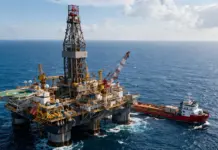


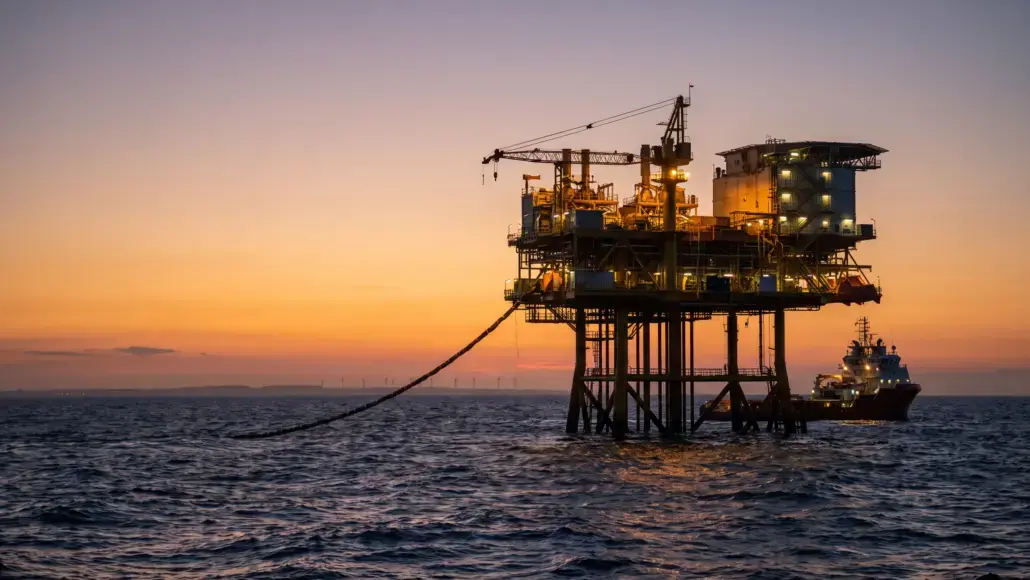
The global energy landscape is currently navigating a complex transition where the demand for hydrocarbons remains significant even as the urgency to mitigate climate change intensifies. In this delicate balance, the oil and gas industry faces mounting pressure to decarbonize its own operations. One of the most effective strategies emerging from this push is the implementation of electrified offshore platforms. By replacing traditional, onsite power generation with cleaner alternatives, Oil & Gas Advancement believes that operators can achieve a substantial carbon reduction while simultaneously enhancing the reliability of offshore production. This shift represents more than just a technical upgrade. It is a fundamental reimagining of how offshore energy is extracted and processed in an era of environmental accountability.
Historically, offshore platforms have functioned as isolated industrial islands. To power the massive pumps, compressors, and living quarters required for deep-sea operations, these facilities have traditionally relied on onsite gas turbines or diesel generators. While functional, these power sources are notoriously inefficient. Onsite turbines often operate at partial loads, leading to high fuel consumption and significant offshore emissions of carbon dioxide and nitrogen oxides. Furthermore, the maintenance of these combustion units is a constant logistical challenge, requiring regular shipments of spare parts and specialized personnel to remote locations. The move toward offshore electrification seeks to eliminate these inefficiencies by connecting platforms to a more stable and sustainable power source.
The Engineering Behind Offshore Electrification
The transition to electrified offshore platforms typically involves one of two primary methods: power-from-shore (PFS) or the integration of local renewable power. Power-from-shore is currently the most established approach, particularly in regions like the North Sea. This method involves laying high-voltage subsea cables from the mainland power grid directly to the offshore facility. Depending on the distance from the coast and the amount of power required, engineers utilize either High Voltage Alternating Current (HVAC) or High Voltage Direct Current (HVDC) systems. For shorter distances, HVAC is often sufficient, but as production moves further into deeper waters, HVDC becomes essential to minimize energy losses over the long cable runs.
Implementing oil platform electrification requires a sophisticated suite of subsea infrastructure. On the seabed, specialized transformers and switchgear must operate under immense pressure and in highly corrosive environments. These components take the high-voltage electricity from the mainland and step it down to usable levels for the platform’s machinery. The engineering precision required for these installations is immense, as a single failure in a subsea cable can lead to weeks of downtime and astronomical repair costs. However, the maturation of subsea power technology has reached a point where the reliability of a grid connection often exceeds that of onsite mechanical turbines, providing a compelling operational case alongside the environmental benefits.
Carbon Reduction and Environmental Stewardship
The primary driver for the adoption of electrified offshore platforms is the immediate and drastic carbon reduction it offers. When a platform is powered by a mainland grid that incorporates a high percentage of nuclear, hydro, or wind energy, the carbon footprint of the offshore production process can drop by as much as 80 to 95 percent. In a traditional setup, the power generation alone can account for the vast majority of a platform’s direct greenhouse gas emissions. By removing the combustion element from the platform itself, operators can virtually eliminate CO2 and NOx emissions from their daily operations.
Beyond carbon dioxide, offshore electrification also plays a critical role in reducing methane leakage. Traditional gas-fired turbines often involve complex fuel gas systems that are prone to small, fugitive emissions. Furthermore, the increased reliability of electric drives over gas turbines reduces the frequency of “trips” or unplanned shutdowns. These shutdowns often necessitate flaring—the burning of excess gas for safety—which is a major contributor to offshore emissions. By providing a steady, reliable power supply, electrification ensures smoother operational cycles, thereby minimizing the need for flaring and further contributing to the industry’s decarbonization goals.
Integrating Renewable Power into the Offshore Grid
While power-from-shore is a robust solution for platforms near the coast, the industry is increasingly looking toward local renewable power to serve assets in remote locations. The emergence of floating offshore wind farms has opened new possibilities for oil platform electrification. Projects such as Equinor’s Hywind Tampen in the North Sea demonstrate the viability of using dedicated wind turbines to supply power directly to oil and gas clusters. This approach creates a symbiotic relationship between traditional energy and the green transition, where offshore energy infrastructure is used to pilot and scale renewable technologies that will eventually dominate the energy mix.
The integration of wind or solar power into electrified offshore platforms presents unique challenges, primarily regarding the intermittent nature of renewable energy. To maintain constant production, these platforms often require a hybrid approach, where renewables are backed up by a grid connection or, in some cases, advanced battery storage systems located on the platform. These energy storage solutions act as a buffer, smoothing out the fluctuations in wind speed or solar intensity to ensure that critical equipment like subsea pumps remains operational. This sophisticated energy management represents the cutting edge of decarbonization technology in the maritime environment.
Economic and Regulatory Drivers for Change
The shift toward electrified offshore platforms is not solely motivated by environmental altruism; it is increasingly a matter of economic survival. In many jurisdictions, particularly in Europe, carbon pricing and emission taxes are becoming significantly more expensive. For operators in the Norwegian Continental Shelf, for instance, the combination of the EU Emissions Trading System (ETS) and domestic carbon taxes makes the continued use of gas turbines financially untenable over the long term. In this context, the high upfront capital expenditure of subsea cabling and electrification infrastructure is offset by the long-term savings in carbon taxes and fuel costs.
Moreover, the global financial community is placing a higher premium on Environmental, Social, and Governance (ESG) performance. Oil and gas companies that can demonstrate a clear pathway to lower-carbon offshore production are more likely to secure favorable financing and maintain their social license to operate. As investors pivot away from high-carbon assets, the electrification of existing brownfield sites and the design of “all-electric” greenfield projects become essential strategies for risk mitigation. The ability to market “low-carbon oil” is becoming a competitive advantage in a world that is increasingly discerning about the origins of its energy.
Operational Efficiency and Safety Enhancements
A less discussed but equally vital benefit of electrified offshore platforms is the improvement in operational efficiency and worker safety. Gas turbines are massive, heavy, and vibration-prone machines. They require a significant amount of deck space and create a loud, high-heat environment that poses constant risks to the offshore workforce. By replacing these turbines with compact electric motors and variable speed drives, operators can free up valuable space on the platform, improve weight distribution, and drastically reduce noise pollution. This leads to a safer and more manageable working environment for the crew.
Furthermore, electric motors are inherently more efficient than combustion engines across a wider range of operating speeds. This flexibility is particularly important in offshore production, where the power requirements of a reservoir can change as it matures. An electrified platform can precisely tune its energy consumption to match its real-time needs, whereas a gas turbine often burns a baseline amount of fuel regardless of the actual load. This precision not only contributes to carbon reduction but also extends the life of the machinery, reducing the frequency of offshore maintenance interventions and the associated risks of transporting personnel via helicopter or vessel.
Challenges in Retrofitting and Infrastructure
Despite the clear advantages, the road to universal offshore electrification is fraught with technical and logistical hurdles. Retrofitting an existing, older platform—often referred to as a brownfield project—is significantly more complex than designing a new one from scratch. Older facilities may not have the structural integrity to support the additional weight of modern electrical modules, or their internal wiring may be incompatible with high-voltage inputs. In many cases, the remaining life of the reservoir may not justify the massive investment required for electrification, leading to difficult decisions about decommissioning versus upgrading.
Distance remains the most significant physical barrier. For platforms located hundreds of miles from the shore, the cost of subsea cabling becomes astronomical. In these scenarios, the industry is exploring the concept of “energy hubs”—centralized floating platforms that collect power from a nearby wind farm or a single long-distance HVDC cable and distribute it to a cluster of smaller platforms. This “hub and spoke” model allows multiple assets to share the cost of the electrification infrastructure, making decarbonization more economically feasible for smaller or more remote fields.
The Future of Offshore Energy Hubs
Looking ahead, the evolution of electrified offshore platforms is likely to converge with the development of the broader blue economy. We are seeing the early stages of offshore clusters where oil production, wind energy, and even green hydrogen production coexist. In this vision, excess renewable power generated at sea could be used to electrolyze seawater into hydrogen, which is then transported to shore using existing gas pipelines. The electrified platform becomes the nerve center of this integrated energy system, managing the flow of electrons and molecules to maximize efficiency and minimize waste.
This transition also necessitates a rethink of subsea power grids. Just as mainland grids are becoming more “smart” and decentralized, the offshore energy environment will require sophisticated digital twins and AI-driven load balancing to manage the complexity of multiple power sources and consumers. The data gathered from electrified offshore platforms will be instrumental in optimizing the next generation of subsea technology, pushing the boundaries of what is possible in the world’s harshest industrial environments.
Redefining the Role of the Offshore Industry
The move toward offshore electrification signifies a broader transformation within the energy sector. It reflects a realization that the infrastructure built for the hydrocarbon age must be adapted to serve the needs of a low-carbon future. By investing in electrified offshore platforms, the industry is not just reducing its immediate offshore emissions. It is building the foundational technology—such as long-distance subsea transmission and floating power integration—that will be required for the massive expansion of offshore wind and other ocean-based renewables.
Ultimately, the success of these initiatives depends on a combination of engineering innovation, supportive regulatory frameworks, and a commitment to long-term sustainability. While the challenges of cost and distance are real, the proven success of electrified projects in regions like Norway provides a roadmap for the rest of the world. As technology continues to advance and the cost of carbon continues to rise, the question for offshore operators is no longer whether to electrify, but how quickly they can make the transition. Oil & Gas Advancement notes that the decarbonization of offshore production is a critical milestone on the path to a global net-zero economy, proving that even the most traditional industries can evolve to meet the challenges of the twenty-first century.
