







AI Summary
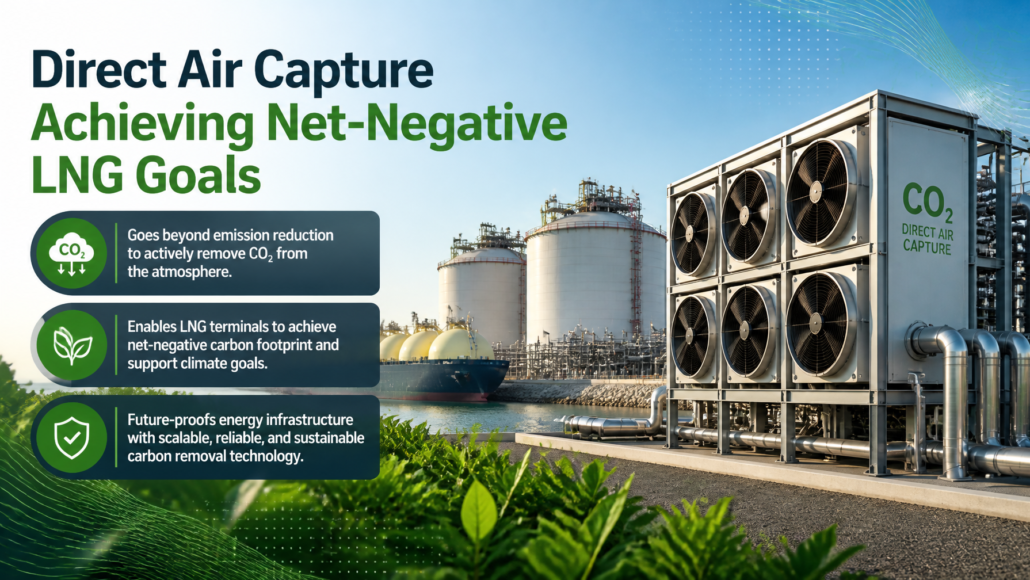
The global energy transition is entering a new phase where simple carbon reduction is no longer sufficient to meet the ambitious targets set by international climate agreements. To achieve a truly sustainable energy system, the industry must now look toward technologies that can actively remove carbon dioxide from the atmosphere, creating a net-negative carbon footprint for critical infrastructure. The process of direct air capture integration at LNG terminals represents one of the most promising frontiers in this effort, combining the massive scale of natural gas infrastructure with next-generation carbon removal technology. Oil & Gas Advancement notes that by utilizing the existing energy and logistical capabilities of LNG hubs, developers are creating a new class of climate-positive energy assets that can serve as a cornerstone of the future circular carbon economy.
Direct Air Capture vs. Point-Source Capture
Direct air capture (DAC) differs from traditional carbon capture at the source by extracting CO2 directly from the ambient air, regardless of where the emissions originated. When integrated with an LNG terminal, DAC systems can utilize the facility’s waste heat, cryogenic energy, and existing pipeline and sequestration infrastructure to minimize operational costs and maximize efficiency. This synergy allows for the large-scale removal of atmospheric carbon, which can then be permanently sequestered in deep geological formations or repurposed for industrial use. For the LNG industry, this represents a transformative opportunity to evolve from a carbon-intensive sector to a vital player in the global effort to stabilize atmospheric CO2 concentrations.
Leveraging Cryogenic Cold Energy
The technical mechanisms of DAC typically involve two primary approaches: liquid systems and solid systems. Liquid systems pass air through a chemical solution (such as a hydroxide solution) that reacts with and removes the CO2, while solid systems use specialized sorbent filters that chemically bind with the carbon dioxide. Once the CO2 is captured, it is released using heat or a change in pressure, allowing it to be concentrated and processed. The integration of these systems at an LNG terminal is particularly advantageous because of the availability of ‘cold energy’ from the regasification process, which can be used to improve the efficiency of carbon separation and liquefaction. This technical synergy is a major driver of the interest in co-locating DAC and LNG infrastructure.
Transforming LNG Terminals into Regional Carbon Management Hubs
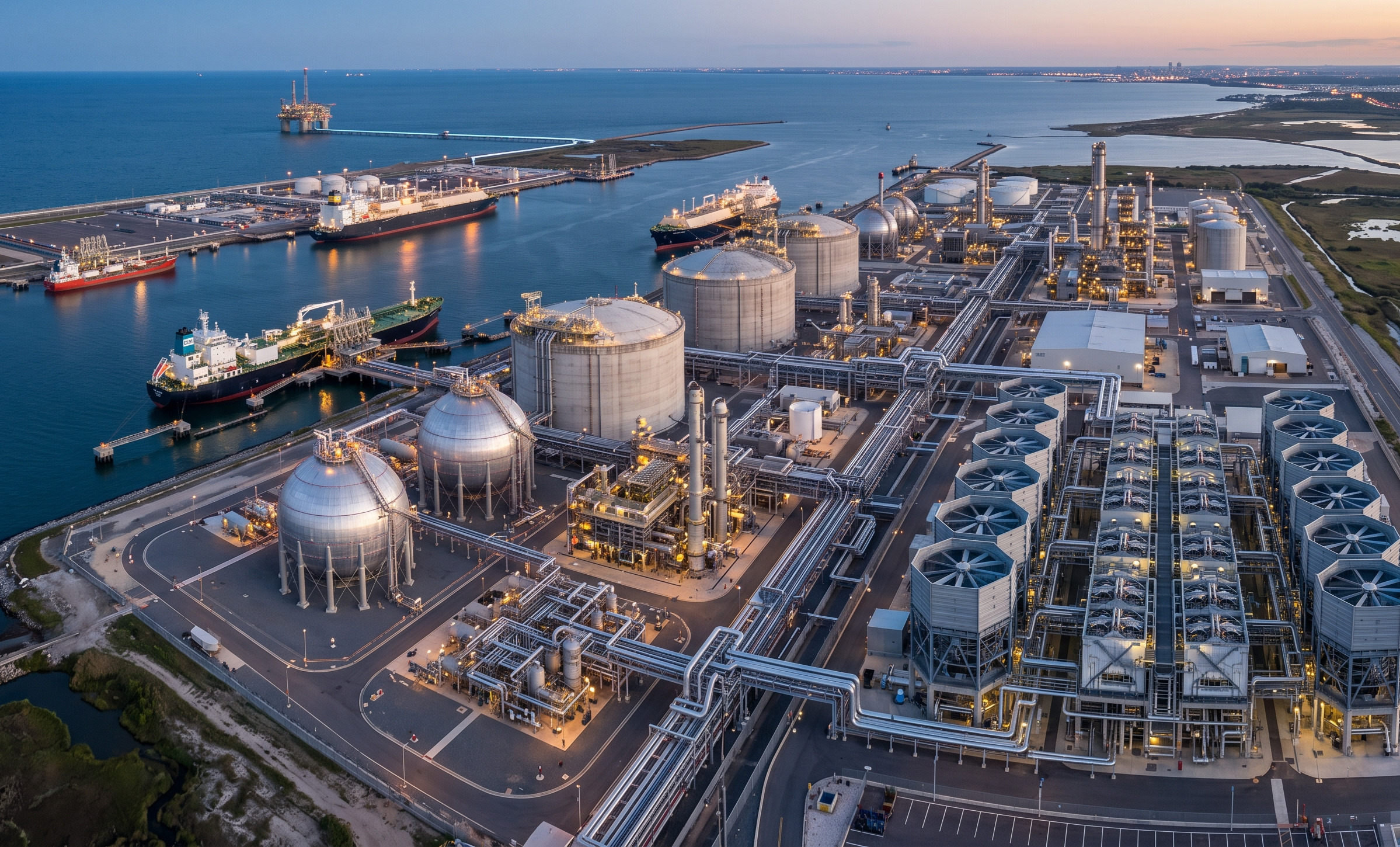
Furthermore, the expansion of the ‘carbon economy’ is creating new roles for LNG terminals as regional carbon management hubs. By serving as a central point for both the import of energy and the export of captured carbon, these terminals are becoming essential nodes in a global network of sustainable industrial activity. This transition requires significant upgrades to port facilities and the development of new shipping protocols for the transport of liquid CO2. The expertise gained in handling cryogenic LNG is directly applicable to the management of liquid carbon, providing the gas industry with a natural competitive advantage in the emerging carbon removal market. The evolution of the LNG terminal into a multi-purpose energy and climate hub is a clear indicator of the industry’s strategic direction.
Commercial Milestones: The STRATOS Facility as an Industrial Blueprint
A significant milestone in the commercialization of large-scale DAC was reached in late 2024, when 1PointFive, a subsidiary of Occidental, announced significant progress on the construction of ‘STRATOS’, its first commercial-scale direct air capture plant in the Permian Basin. STRATOS is designed to capture up to 500,000 tonnes of CO2 per year, making it the largest facility of its kind in the world. The project, which utilizes technology from Carbon Engineering, is a critical test case for the integration of DAC with large-scale energy production and serves as a blueprint for the direct air capture integration at LNG terminals and other industrial hubs.
Enhancing Market Security and Long-Term Social License
The integration of DAC at LNG terminals is intrinsically linked to the broader strategy of LNG market security. As developers look for ways to maximize efficiency, they see how LNG-to-power projects gaining importance globally can provide the necessary energy and infrastructure for large-scale carbon removal. By providing a credible and scalable pathway to net-negative emissions, DAC technology ensures the long-term social and regulatory license of the natural gas industry. In a world where carbon intensity is increasingly factored into trade agreements and investment decisions, the ability to offer carbon-negative LNG provides a significant competitive advantage. This enhances the resilience of the global gas market, ensuring that it remains a vital component of the energy mix even as the world moves toward full decarbonization. The synergy between carbon removal and energy supply is a key pillar of a secure and sustainable future.
Unlocking Premium Value Through Certified LNG
The role of direct air capture integration in meeting the stringent requirements of ‘Certified LNG’ cannot be overstated. As buyers in Europe and East Asia increasingly demand verifiable proof of the low-carbon nature of their energy imports, the integration of DAC provides a powerful tool for reducing the overall emissions profile of a cargo. By capturing more carbon than is emitted during the production and transport of the gas, a facility can achieve a net-negative rating, which is highly sought after in the premium energy market. This not only improves the environmental performance of the industry but also enhances the economic value of the product, creating a virtuous cycle of investment and innovation.
Interconnecting with Regional Carbon Sequestration Networks
Moreover, the development of regional carbon sequestration networks is essential for the long-term viability of DAC integration. Without a safe and permanent place to store the captured carbon, the technology cannot achieve its full potential. The emergence of ‘carbon storage hubs’—where multiple industrial emitters can share the cost and risk of sequestration infrastructure—is a major trend in this regard.
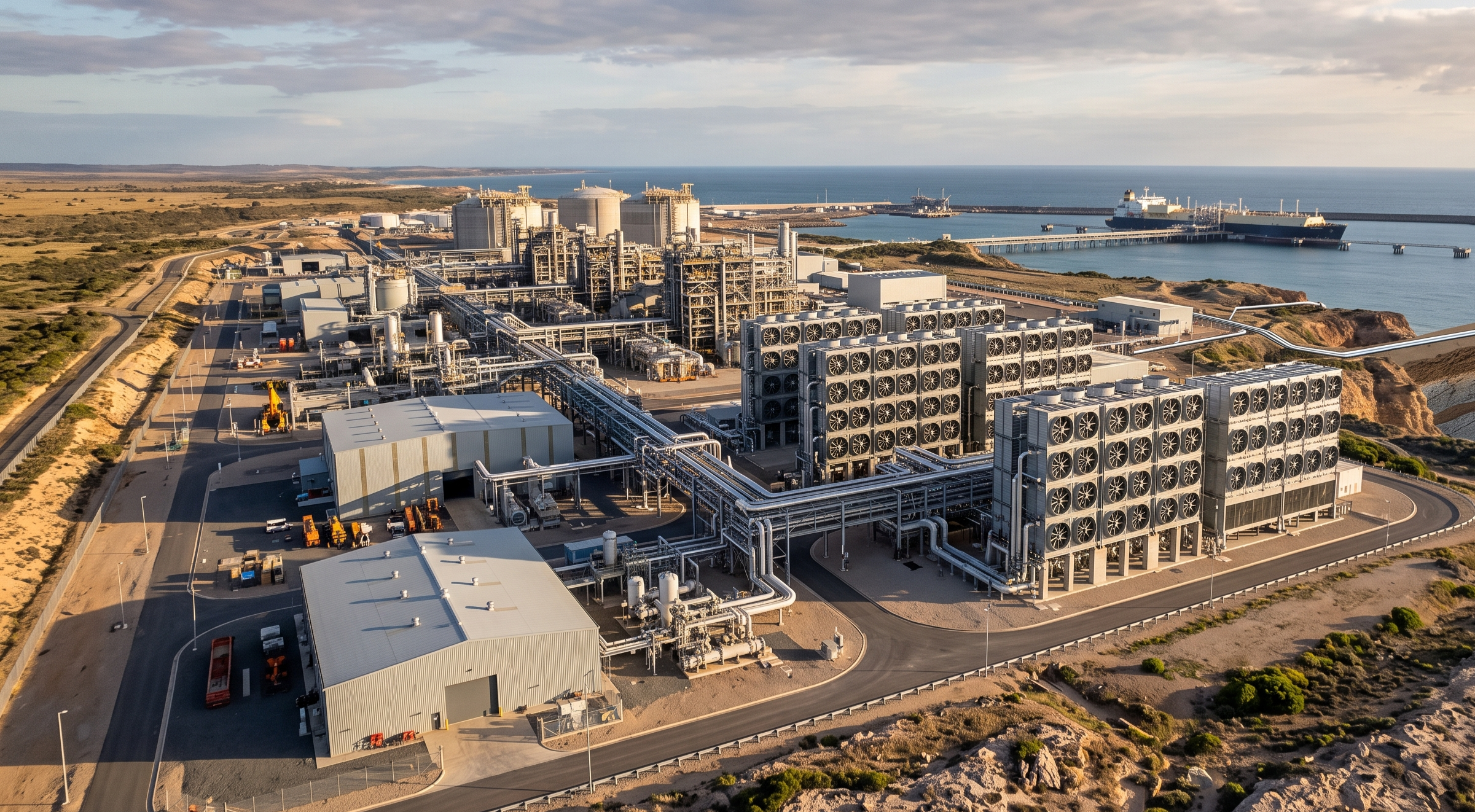
By connecting LNG terminals to these networks, developers can ensure that the carbon removed from the air is permanently removed from the atmosphere, providing the ultimate guarantee of the technology’s climate benefits. The collaboration between energy companies, pipeline operators, and geological service providers is key to building this essential infrastructure.
Fueling Breakthroughs in Materials Science and Low-Carbon Fuels
Furthermore, the integration of DAC is driving innovation in materials science and chemical engineering. Developers are creating new types of sorbents and membranes that can more efficiently capture CO2 from the air, even at low concentrations. These advancements are also being applied to other sectors, such as the production of low-carbon aviation fuels and the manufacture of carbon-neutral chemicals. The expertise gained in deploying large-scale DAC systems at LNG terminals will be invaluable for the broader expansion of the carbon removal industry, accelerating the transition to a net-zero economy. The LNG sector is thus serving as an incubator for the technologies that will define the next century of climate action.
Monetization Pathways: Carbon Credits and Policy Frameworks
The economic case for DAC integration is also being bolstered by the growth of voluntary and compliance carbon markets. Companies across all sectors are increasingly looking for high-quality carbon removal credits to offset their residual emissions, and DAC-based credits are considered the gold standard due to their permanence and verifiability. By generating these credits at LNG terminals, operators can create a new and significant revenue stream that offsets the cost of the DAC infrastructure. This financial model is essential for scaling the technology to the level required to have a meaningful impact on global CO2 levels. The convergence of energy markets and carbon markets is a defining characteristic of the modern industrial landscape.
Moreover, the role of government policy in supporting the development of DAC cannot be overstated. In the United States, the Inflation Reduction Act (IRA) has provided significant tax credits for carbon sequestration and removal, providing the financial certainty needed for large-scale investments like STRATOS. Similar policies are being developed in Europe and other regions, creating a global incentive for the integration of carbon removal technology. The collaboration between government and industry is essential for overcoming the high initial costs and technical challenges of DAC, ensuring that it can be deployed at the speed and scale required to meet climate goals.
Decarbonizing Maritime Logistics and Shipping
The integration of DAC at LNG terminals also offers unique opportunities for the maritime sector. By producing carbon-neutral or carbon-negative fuels at the terminal, the industry can support the decarbonization of the global shipping fleet. This complements other innovations like onboard carbon capture, providing a multi-layered approach to reducing maritime emissions. The vision of an integrated carbon-neutral hub, where energy production, carbon removal, and fuel synthesis are co-located, is becoming a reality. This holistic approach to infrastructure design is the ultimate expression of the modern energy transition.
Next-Generation Sorbents, MOFs, and Deep Geological Storage
Looking ahead, the commitment to direct air capture integration will be a defining characteristic of the LNG industry in the coming decades. The ongoing development of more efficient capture technologies, including the use of metal-organic frameworks (MOFs) and other advanced sorbents, will further improve the performance and reduce the cost of carbon removal. The expansion of global carbon sequestration infrastructure, particularly in offshore saline aquifers and depleted oil and gas reservoirs, will provide the necessary capacity for the billions of tonnes of carbon that must be removed from the atmosphere.
Standardization and Public-Private Collaboration
The implementation of robust regulatory frameworks, including international standards for carbon removal verification and the integration of DAC into global carbon trading systems, will provide the long-term certainty needed for massive industrial-scale investments. By embracing this innovation, the LNG industry is not only addressing its environmental impact but also building a more resilient and sustainable foundation for the global energy system. The transition to net-negative LNG is not just a technological challenge; it is a strategic imperative that will ensure the continued relevance of natural gas in a carbon-constrained world. The fusion of energy security and climate action, embodied in the integration of DAC, is the defining vision for the energy industry of the 21st century.
Finally, the importance of public-private partnerships in accelerating the deployment of DAC cannot be overstressed. The scale of the challenge requires a level of investment and coordination that no single company or government can achieve alone. Oil & Gas Advancement believes that by sharing the risks and rewards of these pioneering projects, the global community can ensure that direct air capture becomes a standard part of the industrial landscape, protecting the planet while providing the energy needed for a thriving global economy. The successful integration of DAC at LNG terminals will be a major milestone on the road to a sustainable future, proving that even the most carbon-intensive industries can be part of the solution to climate change.
References
-
1PointFive – STRATOS Direct Air Capture Plant
-
Occidental and BlackRock to Form Joint Venture to Build STRATOS, the World’s Largest Direct Air Capture Plant
-
Carbon Engineering – Direct Air Capture for a Net Zero World
-
Occidental – Low Carbon Ventures and the Future of Energy
