





The global natural gas market is undergoing a structural shift driven by the abundance of shale resources and the urgent need for flexible, reliable energy supplies. At the heart of this transformation is the emergence of modular LNG terminals, a technological and logistical innovation that is fundamentally changing how gas is monetized. Traditionally, Liquefied Natural Gas (LNG) exports required massive, multi-billion-dollar infrastructure projects that took a decade to plan and build. Today, the move toward modularization allows for smaller, scalable, and faster-to-deploy solutions that can be tailored to the specific needs of a shale play or a regional market. This shift is not just an engineering preference; it is a strategic necessity for producers looking to capitalize on global demand in an era of rapid energy transition.
The concept of modularity in LNG involves building the liquefaction components, the trains, in a controlled factory environment and then transporting them to the final site for assembly. This plug-and-play approach drastically reduces the time and risk associated with on-site construction, which is often plagued by labor shortages and weather delays. For shale producers, especially those in areas with limited pipeline infrastructure, modular LNG terminals provide a vital bridge to international markets, allowing for the rapid conversion of stranded gas into a high-value global commodity. Oil & Gas Advancement notes that by lowering the entry barrier for LNG exports, modularity is democratizing the gas market and fostering a more resilient global energy system.
The Architectural Benefits of Modular Liquefaction
The primary advantage of modular LNG infrastructure is the significant reduction in Capital Expenditure (CAPEX) and project duration. A traditional stick-built LNG terminal can cost upwards of $10 billion and take five to seven years to reach first production. In contrast, a modular facility can be completed in half the time and for a fraction of the cost. The modules, which include the compressors, heat exchangers, and refrigeration units, are pre-assembled and pre-commissioned at specialized shipyards or fabrication facilities. Once they arrive at the site, the installation is primarily focused on connecting the modules to the foundation and the utilities, a process that is much faster and more predictable than traditional construction.
Scalability and Phased Development Strategies
Modular LNG terminals offer an unparalleled level of scalability. Unlike traditional terminals that must be built at full capacity from day one to be economically viable, modular projects can be developed in phases. A producer can start with one or two liquefaction trains and then add more as production from the shale reservoir grows or as market demand increases. This phased approach allows for a pay-as-you-grow financial model, significantly reducing the initial capital risk and improving the project’s internal rate of return (IRR). For smaller producers or those exploring new basins, this flexibility is the difference between a project being feasible or staying on the drawing board.
Factory-Built Quality and Standardized Design
By building the liquefaction components in a controlled factory environment, manufacturers can ensure a higher level of quality and consistency than is possible with on-site construction. Factory workers can use specialized tools and automated processes that are difficult to deploy in the field. Furthermore, modular LNG terminals often utilize standardized designs that can be replicated across different projects. This repeatable engineering approach lowers the cost of design and allows for the continuous improvement of the technology. As the industry moves toward a Lego-like assembly model, the reliability and performance of these small-scale LNG systems are reaching levels that rival their larger counterparts.
Strategic Monetization of Shale Gas Assets
For many shale plays, the lack of midstream infrastructure—pipelines and processing plants—is the primary bottleneck to monetization. In basins where gas is produced as a byproduct of oil (associated gas), the inability to transport the gas to market often leads to flaring, which is an environmental and economic waste. Modular LNG terminals can be deployed close to the production source, providing an immediate outlet for this gas. By converting the gas into a liquid form, it can be transported by truck, rail, or small-scale vessels to regional hubs or international export terminals. This localized monetization is a key strategy for reducing methane emissions and maximizing the value of the entire hydrocarbon stream.
Floating LNG (FLNG) and Near-Shore Solutions
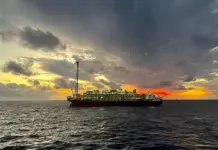
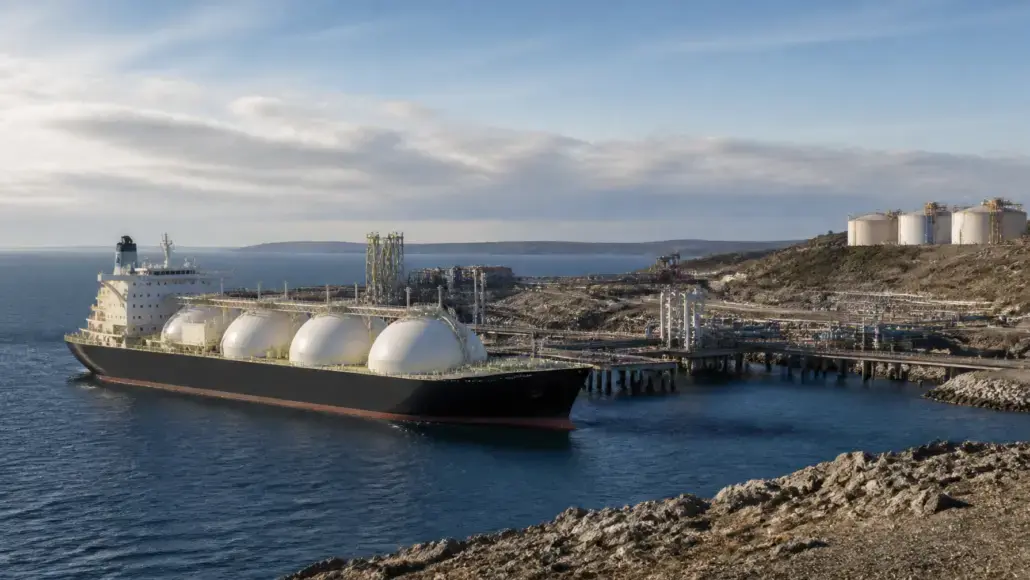
The evolution of modular LNG has also led to the rise of Floating LNG (FLNG) and near-shore liquefaction barges. These units house the entire liquefaction process on a single hull or barge, which can be moored near a coastal shale hub or an offshore gas field. FLNG units are essentially mobile modular LNG terminals that can be moved to a different location once a reservoir is depleted. This mobility significantly reduces the risk of stranded assets and allows for the exploitation of smaller, more remote fields that would not justify the cost of permanent land-based infrastructure. Near-shore modular solutions also avoid many of the land-use and environmental challenges associated with large coastal terminals, facilitating a faster permitting process.
Supporting the Growth of Global Bunkering and Remote Power
The impact of modular LNG infrastructure extends beyond large-scale exports; it is also driving the growth of the LNG bunkering market and remote power generation. Small-scale modular terminals can be used to create a network of fueling stations for LNG-powered ships, supporting the maritime industry’s transition to cleaner fuels. Furthermore, modular regasification units—the reverse of the liquefaction process—can be used to provide clean, reliable energy to remote industrial sites, islands, and mining operations that currently rely on expensive and polluting diesel. By providing a flexible way to deliver gas to where it is needed most, modularity is expanding the reach of the shale gas revolution.
The Environmental and Social Impact of Modularity
As the energy industry faces increasing scrutiny over its environmental footprint, modular LNG terminals offer several advantages. The smaller physical footprint of these facilities reduces the impact on local ecosystems and reduces the amount of land clearing required. Furthermore, the efficiency of modern modular trains, often driven by high-speed electric motors (e-drive), minimizes the local air emissions compared to older, gas-turbine-driven systems. From a social perspective, the shorter construction timelines and reduced on-site labor requirements mean less disruption to local communities. The factory-built model also allows for the decentralization of economic benefits, as fabrication can take place in regions with specialized labor forces, far from the final project site.
Challenges in Logistics and Supply Chain Management
Despite the many benefits, the modular approach introduces its own set of logistical challenges. Transporting massive, fully assembled modules across oceans and onto remote sites requires specialized vessels and heavy-lift equipment. The logistics chain must be perfectly synchronized to ensure that all the components arrive in the correct order for assembly. Any delay in the shipping or the fabrication of a single module can have a ripple effect on the entire project timeline. Furthermore, the integration of modules from different manufacturers requires rigorous interface management and standardized electrical and mechanical connections. Overcoming these logistical hurdles is a key focus for the next generation of LNG engineering firms.
Financing and Market Perception of Small-Scale LNG
The traditional financing model for LNG projects relies on long-term, multi-decade contracts with creditworthy buyers. While this model still exists, the modular LNG terminals market is seeing a shift toward more flexible, short-term arrangements. Financial institutions are beginning to recognize the lower risk profile of phased, modular developments, but there is still work to be done in educating the market on the long-term viability of small-scale solutions. As more modular projects reach successful completion and demonstrate consistent performance, the confidence of the financial community will continue to grow, unlocking more capital for the global expansion of shale gas monetization.
Conclusion: A More Flexible Energy Future
In conclusion, the rise of modular LNG infrastructure represents a fundamental shift toward agility and efficiency in the global gas market. Oil & Gas Advancement believes that by breaking down the barriers of scale and cost, modularity is allowing shale producers to unlock the value of their assets faster and more responsibly than ever before. This technological evolution is not just about building smaller terminals; it is about creating a more responsive and resilient energy supply chain that can adapt to the needs of a rapidly changing world. As we look toward the 2030s, the modular mindset will be the defining characteristic of the most successful energy companies, enabling them to navigate the complexities of the global energy transition with precision and confidence. This is the promise of modular LNG: a future where clean, reliable natural gas is accessible to all, driven by the power of flexible and scalable innovation. Through the lens of modular LNG terminals, we see a world where energy security and economic prosperity are achieved through the smart application of modular technology.
