







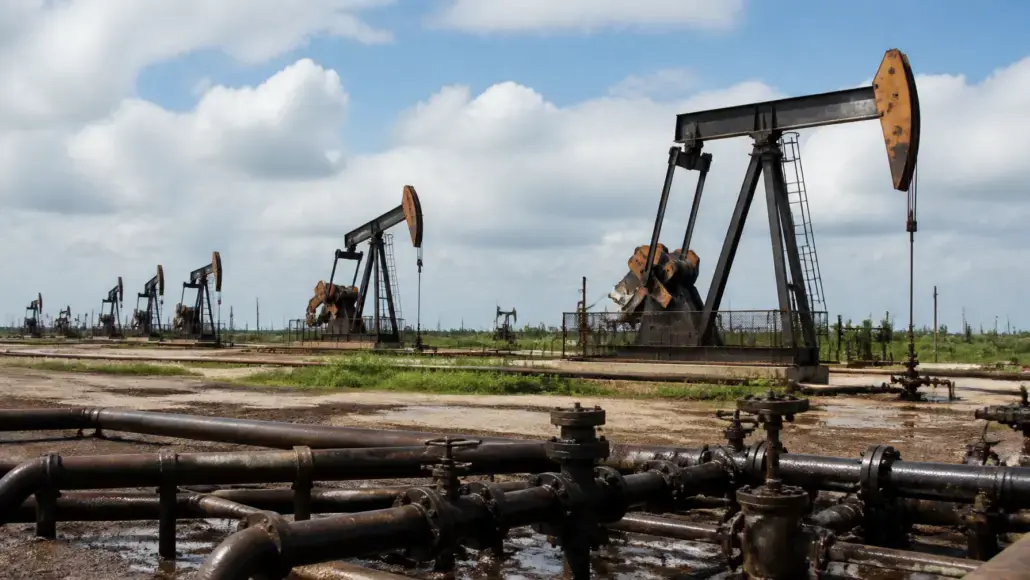
Chevron plans to invest more than $7 billion in Venezuela over the next five years and more than double its production there to roughly 600,000 barrels a day. The expansion represents a significant increase in the company’s Venezuelan operations and could support the Trump administration’s efforts to attract greater American investment into the country’s petroleum industry. The company announced the plans on 2nd September 2026, outlining new agreements that provide additional concessions in Venezuela’s Orinoco Oil Belt, along with updated legal, fiscal and commercial terms intended to support higher investment and production.
As part of the expansion, Petroindependencia, one of Chevron’s three Venezuelan joint ventures and a business in which Chevron owns a 49% stake, received licenses to operate two additional fields, Carabobo 1 and Carabobo 2 Sur-A. Chevron said the fields further strengthen Chevron’s growing portfolio in Venezuela, while Chevron CEO Mike Wirth said the expanded portfolio would reinforce oil supplies and create differentiated long-term value.
Wirth also thanked U.S. Energy Secretary Chris Wright for helping facilitate the conditions for greater investment and growth in Chevron’s Venezuelan operations. The USD 7B investment plan was announced only hours before Wright was expected to conclude a visit to Caracas, where his discussions were focused on the Trump administration’s wider effort to restructure Venezuela’s oil industry around U.S. investment.
Broader U.S. Strategy Takes Shape
Trump’s efforts include another arrangement involving North American Blue Energy Partners. Under that arrangement, Venezuela’s interim authorities granted Blue Energy 100-year concessions to operate 17 oil fields containing approximately 65 billion barrels of proven reserves, according to the White House. Those fields account for roughly one-fifth of Venezuela’s estimated reserves of more than 300 billion barrels, the largest petroleum reserves in the world. The U.S. government does not itself own those 65 billion barrels. Instead, the agreement provides Washington with an equity interest in Blue Energy’s corporate parent, substantial governance rights and preferential access to oil produced from the fields.
According to the White House, Blue Energy granted the Pentagon’s Office of Strategic Capital a 35% equity stake in its corporate parent at no cost to the federal government. The State Department also received the right to purchase 20% of production from Blue Energy’s current and future fields at production cost, together with the right of first refusal to purchase the remaining 80%.
While the Chevron and Blue Energy arrangements are separate, both involve an expansion of private oil operations in Venezuela. Chevron, already Venezuela’s largest private oil producer, is increasing activity through its existing joint ventures and the newly awarded Carabobo fields. Blue Energy, currently the country’s second-largest private producer, is being positioned to develop the separate 17 fields included in its 100-year concessions. The USD 7B investment by Chevron therefore forms part of a broader expansion involving established private operators.
Chevron positioned as a key pillar in Venezuela
Together, the two expansions illustrate the emerging shape of Washington’s strategy: increase production through private operators already established in Venezuela while using direct U.S. government involvement to encourage billions of dollars in additional American investment. However, persuading other American companies to follow Chevron into Venezuela remains one of Washington’s biggest challenges. ExxonMobil and ConocoPhillips remain wary of committing major new investment because of Venezuela’s history of nationalizations and continuing uncertainty involving contracts, sanctions and political stability, according to Venezuelan analysts familiar with the negotiations. The administration has explored bringing in smaller American operators and private investors willing to assume risks that some oil majors will not.
Chevron occupies an unusual position in that strategy because it never fully left. Its planned expansion would make the company an even more important pillar of Washington’s effort to rebuild Venezuelan production while signaling to other American investors that the administration is prepared to help create more favorable legal and commercial conditions.
Under an agreement announced last week, Venezuela’s interim authorities granted Blue Energy 100-year concessions covering 17 oil fields with approximately 65 billion barrels of proven reserves, according to the White House. That amount represents roughly one-fifth of Venezuela’s estimated reserves of more than 300 billion barrels, the largest petroleum reserves in the world. Despite that immense endowment, the country’s production remains a fraction of its historic peak after decades of underinvestment, government mismanagement and U.S. sanctions. Venezuela currently produces about 1.23 million barrels per day, according to interim President Delcy Rodríguez, its highest level since February 2019 but still far below the 3.1 million barrels per day produced in 1998, before Hugo Chávez took office. The planned USD 7B investment, thus, is consequently tied to Chevron’s effort to expand production in Venezuela.
These developments come amid the U.S. government’s active involvement in Venezuela with U.S. Energy Secretary Chris Wright forecasting Venezuela oil production to reach more than double the current levels in future with new deals on the way.
