








AI Summary
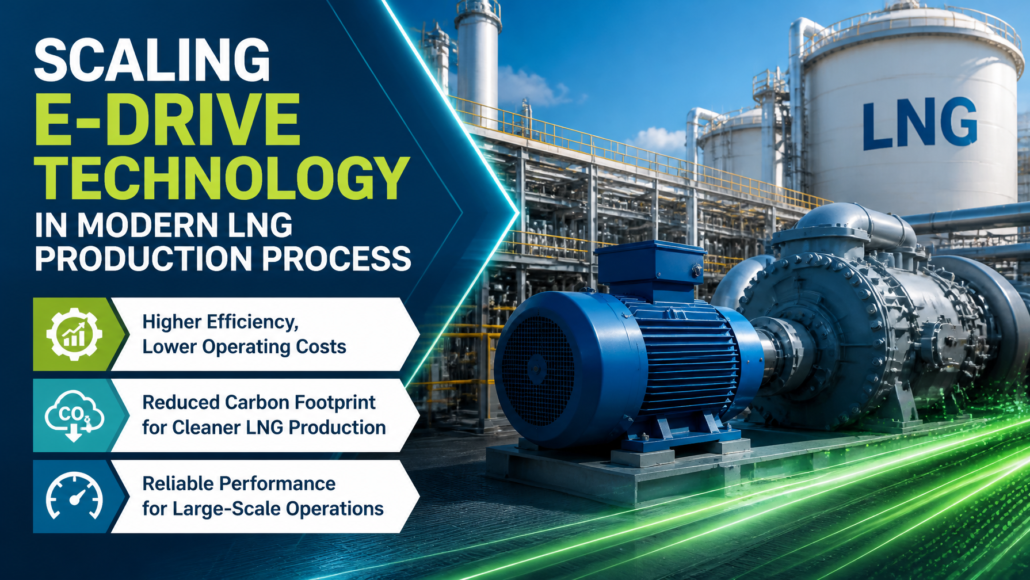
The industrial landscape of natural gas liquefaction is currently undergoing a radical shift as the industry moves away from traditional gas-turbine-driven compressors toward highly efficient electric motors. Oil & Gas Advancement notes that the process of scaling E-drive technology represents a central pillar of the global energy transition, offering a dual benefit of significant operational efficiency gains and a substantial reduction in the direct carbon footprint of LNG production facilities. As global buyers increasingly prioritize low-carbon energy sources, the ability to produce LNG using clean electricity has become a critical competitive advantage, transforming the way developers design and operate the next generation of liquefaction terminals.
Decoupling Liquefaction from Fossil Fuel Combustion
Traditional liquefaction processes rely on aero-derivative or industrial gas turbines to drive the compressors required to cool natural gas to cryogenic temperatures. While effective, these turbines consume a portion of the feed gas and emit significant quantities of carbon dioxide and other greenhouse gases during operation. In contrast, E-drive technology utilizes high-power electric motors, which can be powered by a variety of energy sources, including renewable solar, wind, and hydroelectric power. This flexibility allows operators to decouple the liquefaction process from fossil fuel combustion, paving the way for a truly net-zero LNG supply chain. The transition is also driving significant improvements in plant availability and reliability, as electric motors require less frequent maintenance and have fewer moving parts than traditional turbines.
Industry Milestones: Woodside’s Pluto Train 2
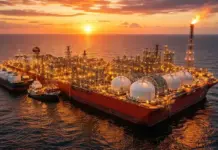
A significant milestone in the adoption of this technology was reached in December 2024, when Woodside Energy announced the arrival of the final Pluto Train 2 modules at its Pluto LNG facility in Western Australia. The Scarborough Energy Project, which includes the construction of Pluto Train 2, is utilizing advanced electric drive technology to enhance the efficiency of its liquefaction processes. The arrival of these massive, pre-assembled modules, engineered in collaboration with Bechtel, represents a critical step toward the targeted delivery of first LNG in 2026 and underscores the industry’s commitment to scaling E-drive technology as a standard for future developments.
Operational Reliability and Market Security
The widespread adoption of electric drive systems is intrinsically linked to the broader objectives of LNG market security. By improving the reliability and availability of liquefaction facilities, E-drive technology helps to ensure a consistent and predictable supply of gas to international markets. As global buyers prioritize reliability, the fact that LNG market security becomes a strategic priority is reflected in the technical choices made at the terminal. A plant that is less prone to mechanical failure and requires fewer maintenance shutdowns is better equipped to meet its contractual obligations and respond to sudden shifts in demand. This operational resilience is a vital component of the overall security strategy, providing a technological safeguard against supply disruptions. In regions where natural gas is a critical component of the energy mix, such as Northern Europe and East Asia, the stability provided by E-drive liquefaction is a major factor in maintaining economic competitiveness and social stability.
Strategic Portfolio Decarbonization and Risk Hedging
Furthermore, the electrification of the liquefaction process is driving a shift in how energy companies manage their portfolios. By investing in renewable energy assets to power their E-drive terminals, companies can hedge against the volatility of fossil fuel prices and reduce their overall exposure to carbon-related risks. This integrated approach to energy management is becoming the new standard for the industry, as companies seek to align their operations with the goals of the Paris Agreement while ensuring long-term profitability. The synergy between natural gas and renewables, facilitated by E-drive technology, is a powerful model for the global energy transition.
Direct Integration with Offshore Wind Assets
The role of offshore wind in powering coastal LNG terminals is also a growing trend. In the North Sea and off the coast of the United States, developers are exploring the possibility of connecting offshore wind farms directly to liquefaction facilities.
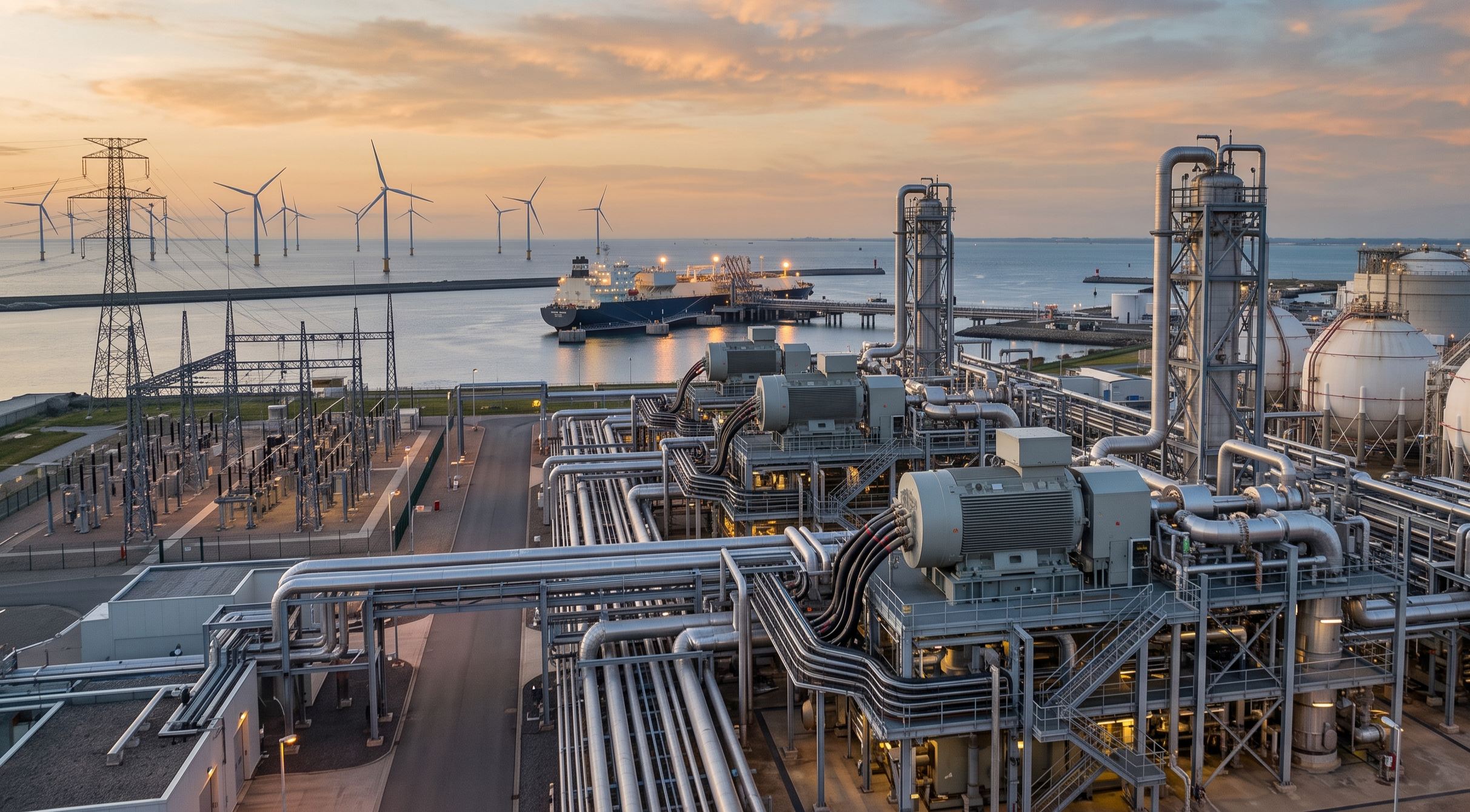
This would provide a dedicated, low-carbon power source that is largely independent of the onshore grid, further enhancing the resilience and sustainability of the LNG supply chain. The technical challenges of integrating large-scale offshore wind with industrial-scale liquefaction are significant, but the potential rewards in terms of carbon reduction and energy security are immense. These pioneering projects are paving the way for a more integrated and sustainable offshore energy industry.
LNG Terminals as Regional Power Anchors
Furthermore, the electrification of LNG production is creating new synergies between the gas industry and the broader power sector. As terminals increasingly draw power from the grid, they become significant consumers of electricity, often requiring the development of dedicated transmission infrastructure and the integration of large-scale renewable energy projects. This integration is fostering the growth of regional power hubs where LNG terminals act as “anchor tenants” for new clean energy investments. The resulting infrastructure not only serves the needs of the gas sector but also improves the overall stability and capacity of the regional power grid, providing a broader societal benefit.
Breakthroughs in Power Electronics and Variable Frequency Drives
The technical challenges of scaling E-drive technology are also driving innovation in electrical engineering and power electronics. Designing motors and variable frequency drives (VFDs) that can handle the massive loads required for large-scale liquefaction is a complex engineering feat.
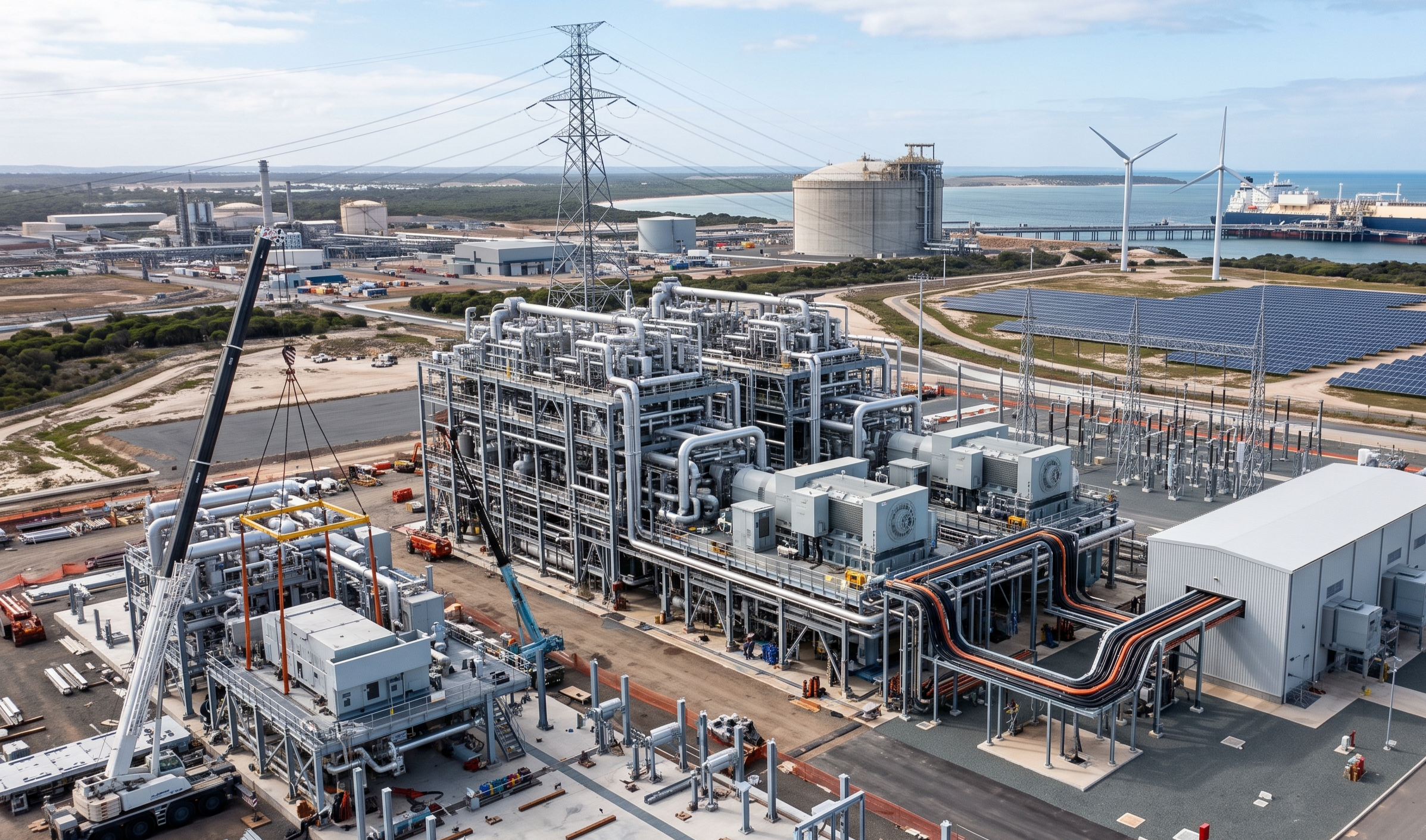
These VFDs are the ‘brain’ of the electric drive system, precisely controlling the speed and torque of the motors to match the requirements of the liquefaction process. Advances in power semiconductor technology, such as Silicon Carbide (SiC) and Gallium Nitride (GaN), are enabling the development of more efficient and compact VFDs, further improving the performance of E-drive systems. The expertise gained in developing these high-power electric drives is now being applied to other heavy industries, such as mining and chemicals, further accelerating the electrification of the global industrial base.
Supply Chain Scaling in High-Power Motor Manufacturing
The impact on the global motor manufacturing industry is also profound. The demand for high-power, high-efficiency motors for the LNG sector is driving significant investments in research and development and manufacturing capacity. Leading electrical equipment manufacturers are competing to develop the most efficient and reliable motors, incorporating advanced materials and innovative cooling designs. This competition is fostering a new era of innovation in electrical machines, with potential applications far beyond the energy sector. The growth of the E-drive market is thus a major driver of industrial activity and technological progress in the broader manufacturing economy.
Predictive Maintenance via IoT and Digitalization
Moreover, the integration of advanced sensors and IoT connectivity into E-drive systems is enabling a new level of operational transparency. By continuously monitoring the health and performance of motors and VFDs, operators can identify potential issues before they lead to a failure. This predictive maintenance approach is essential for maximizing the uptime of liquefaction facilities and ensuring a reliable supply of gas to the global market. The data generated by these systems is also being used to optimize the entire liquefaction process, identifying opportunities to further improve energy efficiency and reduce emissions. The ‘digitalization’ of E-drive technology is a key component of its long-term success.
Modular Engineering and Footprint Optimization
Moreover, the shift toward E-drive is facilitating a more modular and flexible approach to plant design. Electric motors are typically smaller and more compact than the gas turbines they replace, allowing for more efficient use of space within the terminal. This compactness is particularly advantageous for projects with limited land availability or for offshore floating LNG (FLNG) facilities where weight and space are at a premium. The modular nature of electric drive systems also allows for a more streamlined construction process, as components can be pre-assembled and tested off-site before being integrated into the final facility, significantly reducing the overall project timeline and risk.
Total Cost of Ownership and Long-Term Economics
The economic case for E-drive is also becoming increasingly compelling. While the initial capital expenditure for electric drive systems can be higher than traditional turbines, the long-term operational savings are significant. Lower maintenance costs, improved energy efficiency, and the potential to avoid carbon taxes and other environmental penalties all contribute to a more favorable total cost of ownership. As renewable energy costs continue to fall and carbon pricing mechanisms become more widespread, the financial advantage of electrified liquefaction will only grow, making it the preferred choice for forward-looking developers and investors.
Future Horizons: AI, Digital Twins, and Next-Gen Systems
Looking ahead, the process of scaling E-drive technology will remain a central theme in the evolution of the global energy sector. The ongoing integration of digital twin simulations, AI-driven predictive maintenance, and next-generation power electronics will further enhance the performance and reliability of electrified facilities. By embracing this technological shift, the LNG industry is not only reducing its environmental impact but also building a more resilient and efficient foundation for the global energy trade. The transition to E-drive is not just an engineering achievement; it is a strategic imperative that will define the future of the industry for decades to come. The long-term success of the sector will depend on its ability to continue to innovate and scale these low-carbon technologies, ensuring that natural gas remains a sustainable and secure component of the global energy mix.
Policy Frameworks and Grid Infrastructure Support
The role of government policy in supporting the transition to E-drive is also critical. Incentives for the adoption of clean energy technologies, combined with robust carbon pricing mechanisms, can accelerate the shift toward electrified liquefaction. Furthermore, investments in grid infrastructure and renewable energy capacity are essential for ensuring that terminals have access to the clean power they need. By creating a supportive policy environment, governments can help to ensure that the LNG industry remains a driver of economic growth and environmental progress. The collaboration between industry and government is the key to unlocking the full potential of E-drive technology.
Global Benchmarking and Technical Standardization
Furthermore, the development of international standards for E-drive efficiency and performance is essential for creating a level playing field and fostering global competition. Oil & Gas Advancement believes that by establishing clear benchmarks for energy intensity and emissions, these standards can drive continuous improvement across the industry and ensure that the most efficient technologies are widely adopted. The involvement of global organizations like the International Energy Agency (IEA) and the International Organization for Standardization (ISO) will be crucial in this effort, providing the technical expertise and diplomatic platform needed to build a global consensus on the future of electrified LNG production. This standardized approach will not only benefit the industry but also provide consumers and investors with the transparency they need to make informed decisions in a rapidly changing energy landscape.
References
-
Final Pluto Train 2 Modules Arrive for Scarborough Energy Project
-
All aboard for Pluto Train 2
