





AI Summary
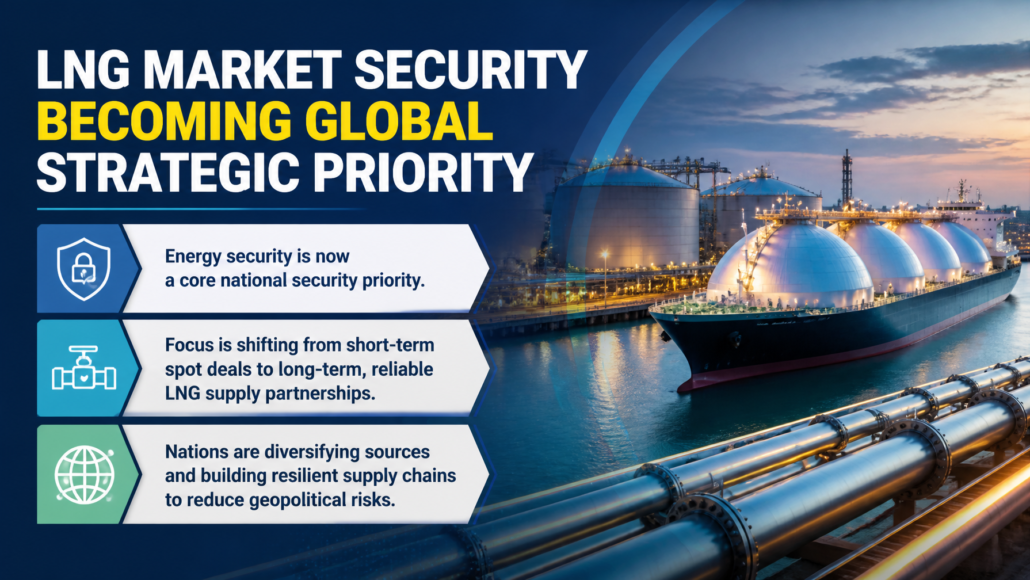
The concept of LNG market security has undergone a rapid redefinition in recent years, shifting from a technical concern within the energy industry to a primary pillar of national security for major economies. In an era where energy is increasingly used as a tool of geopolitical leverage, the ability to secure reliable, long-term supplies of natural gas has become a prerequisite for economic stability and social cohesion. This strategic pivot is characterized by a move away from spot-market opportunism toward structured, multi-decade agreements that prioritize reliability over immediate price advantages. For nations in Europe and Asia, the focus is now on insulating their industrial bases from the extreme volatility that has come to define global energy markets.
Supply Chain Vulnerabilities and Government-Led Procurement
Oil & Gas Advancement notes that the transition toward long-term stability is driven by a profound recognition of the fragility of modern energy supply chains. A single disruption at a major liquefaction facility or a bottleneck in a critical maritime passage can send shockwaves through the global economy, leading to skyrocketing prices and potential energy rationing. Consequently, strategic energy procurement is now overseen by high-level government officials and integrated into broader foreign policy objectives. This alignment of energy and security interests is fostering new alliances and deepening existing partnerships between major exporters and importing nations, creating a more interconnected and resilient global energy web.
The Equinor-SEFE Bilateral Agreement
A definitive example of this strategic alignment occurred in December 2023, when Norway’s Equinor and Germany’s state-owned energy company SEFE (Securing Energy for Europe) signed a massive, long-term gas supply agreement. Under the deal, Equinor will supply approximately 10 billion cubic meters of natural gas per year to Germany until 2034, with an option to extend the agreement for a further five years. This $55 billion contract is one of the largest in Equinor’s history and serves as a critical cornerstone for Germany’s efforts to ensure LNG market security in the wake of significant regional supply shifts.
Expanding Physical Infrastructure and Import Terminals
The security provided by such agreements is intrinsically linked to the physical infrastructure that supports them. The ongoing push for LNG infrastructure diversification provides the necessary entry points and storage capacity to handle large volumes of gas from multiple sources. Without a diversified network of terminals and interconnectors, the ability to capitalize on long-term supply deals would be severely limited. The synergy between commercial agreements and infrastructure development creates a robust system that can withstand both technical failures and geopolitical shocks, ensuring a consistent flow of energy to the end-consumer.
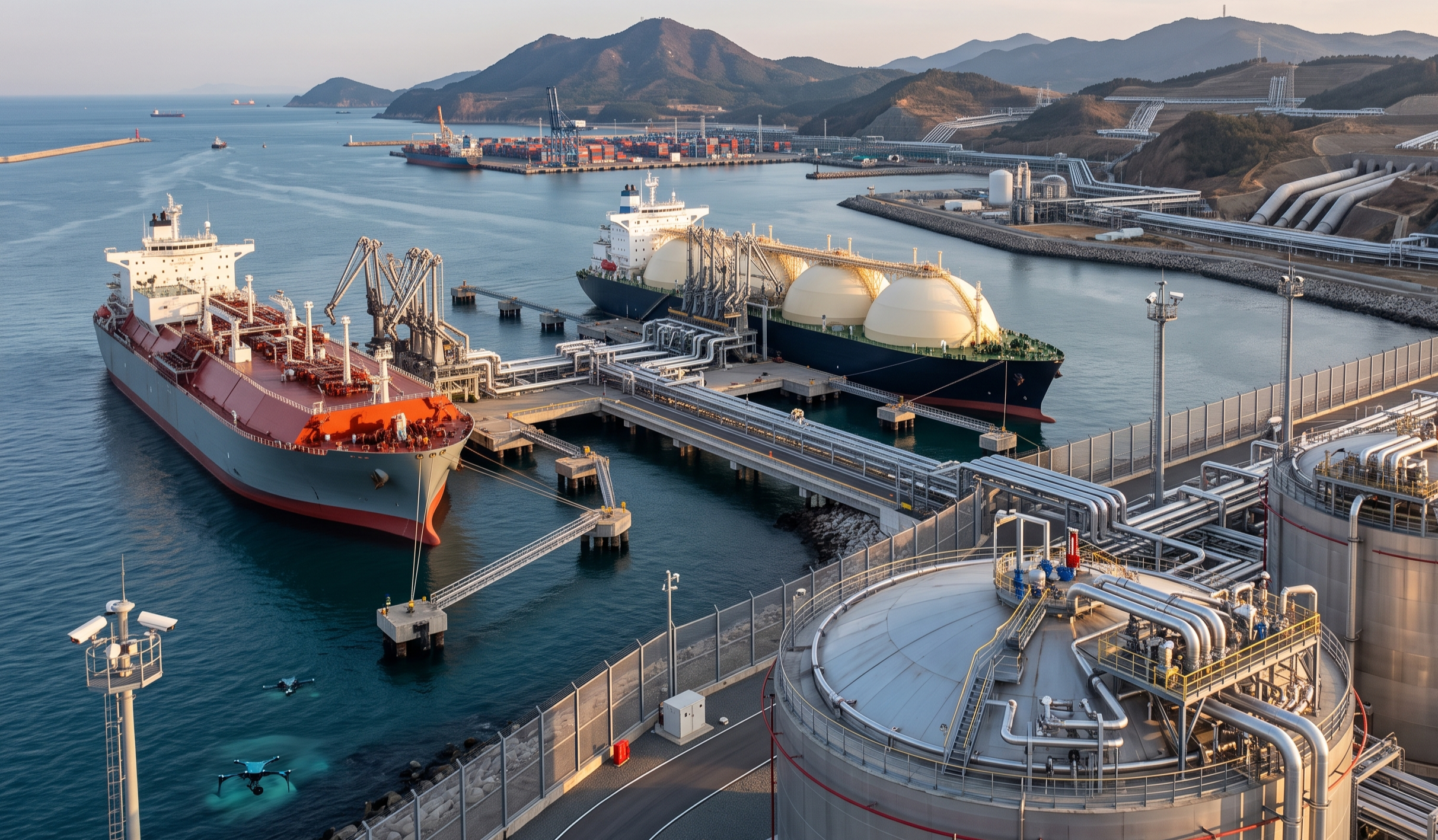
As regional hubs expand, the fact that LNG infrastructure diversification gains importance becomes clear, providing the necessary entry points to handle large volumes of gas from multiple sources. This is particularly evident in the Asian market, where countries like Japan and South Korea have long prioritized strategic energy reserves and diversified supply chains to mitigate their inherent lack of domestic resources. Their experience serves as a template for other nations now navigating the complexities of global energy security.
Regulatory Interventions and Market Distortion Risks
Furthermore, the introduction of price caps and other regulatory interventions in response to energy crises has added a new layer of complexity to market security. While these measures are intended to protect consumers from extreme price volatility, they can also have unintended consequences, such as discouraging investment in new production or causing cargoes to be diverted to higher-priced markets. The balance between consumer protection and market stability is a delicate one, requiring careful coordination between governments and industry participants. The ongoing dialogue between major energy-consuming nations and suppliers is essential for ensuring that regulatory frameworks support, rather than hinder, global energy security.
Cross-Border Integration and Regional Alliances
The role of regional cooperation in enhancing market security is also gaining importance. In Europe, the development of a more interconnected and integrated gas market has allowed for greater flexibility in responding to supply disruptions. This collective approach to energy security ensures that a crisis in one member state can be mitigated through support from its neighbors. Similarly, in the Indo-Pacific, initiatives to promote energy transparency and coordinate emergency response mechanisms are helping to build a more resilient regional energy architecture. These collaborative efforts are a vital component of the broader strategy to ensure that energy remains a driver of stability and prosperity, rather than a source of conflict.
Digital Transparency and Real-Time Supply Chain Tracking
Furthermore, the focus on security is driving a new level of transparency and data sharing within the industry. To effectively manage risks, market participants must have access to real-time information regarding supply levels, tanker movements, and storage inventories. This has led to the development of sophisticated digital platforms that provide a “common operating picture” for the entire LNG market. By improving visibility across the supply chain, these tools allow for better coordination between exporters and importers, enabling a more proactive approach to risk management. The digitalization of the market is thus a vital component of the broader security strategy.
Shifting Project Finance Toward Long-Term Commitments
The strategic priority of market security is also influencing the way new projects are financed and developed. Investors are increasingly looking for projects that are backed by strong, creditworthy buyers and long-term contracts, which provide a level of revenue certainty that is essential for large-scale energy investments. This shift is favoring established players with a proven track record of reliability and operational excellence. It is also fostering the development of “energy hubs” where multiple projects can share infrastructure and benefit from economies of scale, further reducing the overall risk profile of the sector.
Defending Critical Assets Against Cyber Threats
In addition to physical and commercial security, the industry is increasingly focused on the security of its digital assets. As energy systems become more interconnected and dependent on advanced software, they also become more vulnerable to cyber threats. The protection of critical infrastructure from malicious actors is now a top priority for both governments and private corporations. This involves the implementation of robust cybersecurity protocols, regular system audits, and the development of contingency plans to ensure that energy flows can be maintained even in the event of a digital disruption.
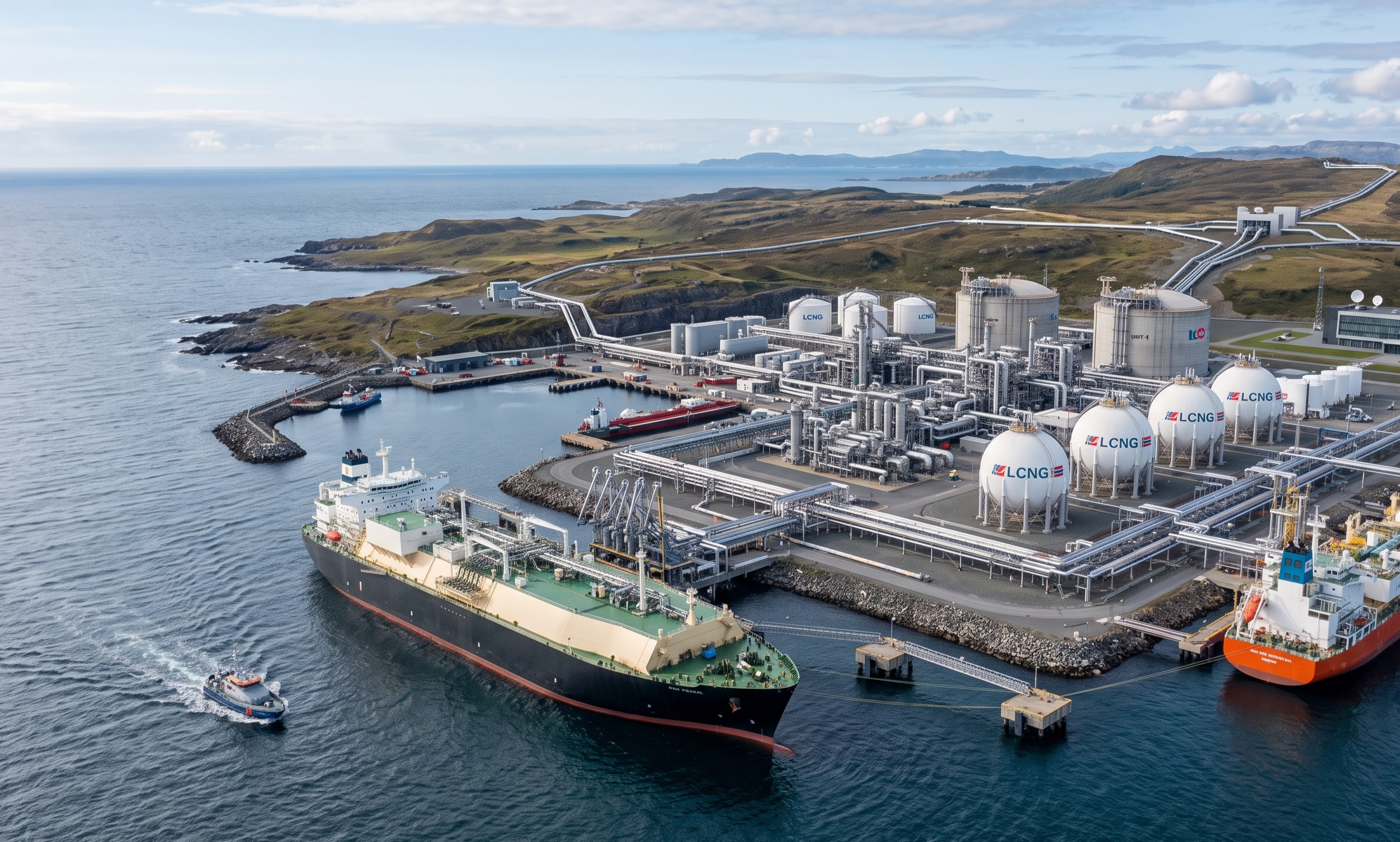
The intersection of energy security and cybersecurity is a defining challenge of the modern era. As liquefaction plants, pipelines, and FSRUs become increasingly digitized, they become targets for sophisticated cyber-attacks that could potentially disrupt global energy supplies. The industry is responding by investing heavily in next-generation security systems, including zero-trust architectures and AI-driven threat detection. These technologies are designed to identify and neutralize threats in real-time, protecting critical infrastructure from both state-sponsored actors and independent hacking groups. The development of international standards for energy cybersecurity is also a key priority, ensuring that all market participants adhere to a common set of best practices.
Securing Maritime Routes and Offshore Facilities
Moreover, the physical security of energy infrastructure in increasingly contested maritime environments is a growing concern. Protecting sea lanes and offshore facilities from sabotage or military interference requires close cooperation between energy companies and national naval forces. This has led to the deployment of advanced surveillance systems, including underwater drones and satellite monitoring, to provide continuous oversight of critical energy assets. The ability to monitor and respond to physical threats in real-time is an essential component of the modern security strategy, ensuring that the global energy supply chain remains secure even in the face of escalating geopolitical tensions. The integration of physical and digital security measures is the hallmark of a truly resilient energy system.
The Balancing Influence of U.S. LNG Exports
The role of U.S. LNG expansion in this security framework is also significant. By providing a massive and reliable source of flexible supply, the United States has become a key guarantor of global market stability. The presence of U.S. gas in the market provides a check on the influence of traditional suppliers and ensures that buyers have alternatives in the event of a disruption. This “diversification of origin” is a central element of the global security strategy, providing the strategic depth needed to navigate a complex and often unpredictable international landscape. The growth of the American export sector is thus a net positive for global energy security.
Low-Carbon Integration and Future Technological Resilience
Looking ahead, the commitment to LNG market security will require continuous investment and innovation. As the global energy mix evolves and new technologies emerge, the industry must remain agile and responsive to new challenges. The ongoing integration of low-carbon solutions, such as carbon capture and storage (CCS) and hydrogen blending, will play a vital role in ensuring that natural gas remains a viable and secure energy source in a net-zero world. The expansion of digital management tools, including blockchain for supply chain transparency and digital twins for operational optimization, will further enhance the resilience and efficiency of the global energy system. By prioritizing long-term stability over short-term gains, and by fostering a culture of innovation and collaboration, the global community is building a more resilient energy system that can support economic growth and social progress for generations to come.
Developing and Retaining the Energy Workforce
The strategic priority of market security also extends to the workforce that manages these complex energy systems. Ensuring a steady supply of skilled engineers, technicians, and digital specialists is essential for the long-term reliability of the industry. This requires a concerted effort to invest in education and training programs that prepare the next generation of energy professionals for the challenges of a rapidly changing landscape. Oil & Gas Advancement believes that by fostering a diverse and highly skilled workforce, the industry can ensure that it has the human capital needed to drive innovation and maintain the highest standards of safety and operational excellence. The long-term security of the LNG market is, ultimately, as much about people as it is about pipes and platforms.
References
-
Equinor and Germany’s SEFE enter long-term gas sales agreements and pursue large scale hydrogen supplies
-
Germany’s Sefe, Norway’s Equinor strike $55 billion gas supply deal
