



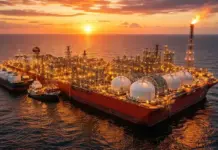





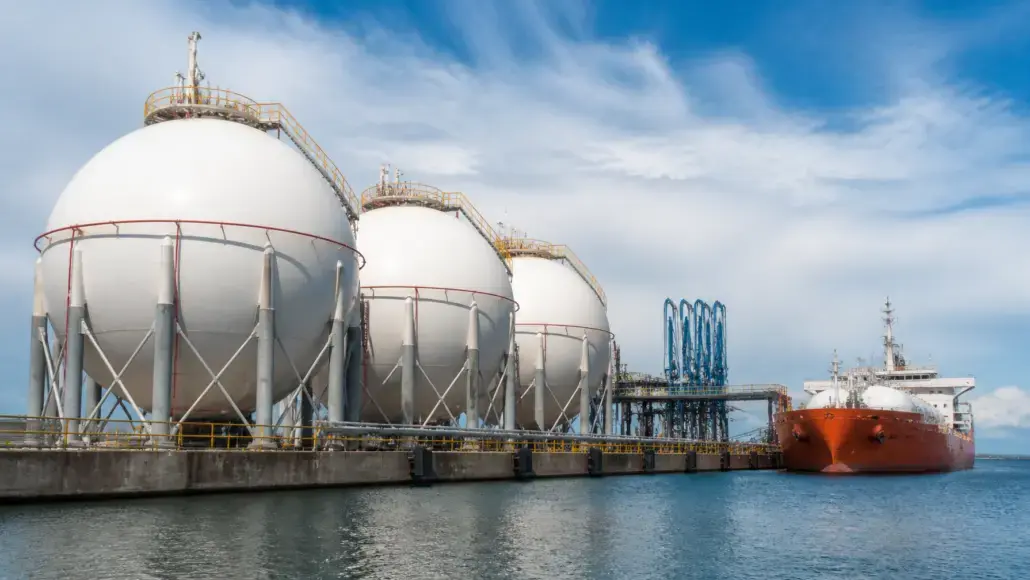
Philippines’ Department of Energy (DOE) on 20th August 2026 welcomed Isla Import Terminals Inc.’s investment in a new liquefied petroleum gas (LPG) import terminal in Batangas City, which has a storage capacity of 25 kilotons of propane, butane and mixed LPG. Located in Barangay Libjo, the facility is designed to handle propane and butane shipments from Very Large Gas Carriers, along with pressurized LPG. These supplies can then be distributed nationwide using LPG trucks and inter-island pressurized LPG vessels. The Batangas LPG import terminal is expected to strengthen an important part of the country’s LPG supply chain by adding large-scale import and storage capability.
Energy Secretary Sharon Garin said the facility improves the reliability of fuel supply for households and businesses nationwide while reinforcing the country’s LPG infrastructure.
“For an archipelagic country like the Philippines, energy security depends both on having adequate supply, and on having the infrastructure to receive, store and move that supply efficiently across the country,” Garin said.
She added, “This terminal adds significant capacity to our LPG supply chain and strengthens our ability to serve consumers nationwide.”
Garin also said, “The additional import and storage capacity here in Batangas strengthens a critical link in the country’s LPG supply chain.”
LPG Infrastructure Across Key Regions
Garin also led the inauguration of Isla LPG Corp.’s Leganes Plant in Iloilo. The two facilities are intended to strengthen different areas of the LPG supply chain. While the Leganes Plant increases storage, cylinder filling and distribution capacity in Western Visayas, the Batangas LPG import terminal provides large-scale import and storage capability that supports nationwide distribution.
Garin said continued investments across the LPG supply chain are important to improving the country’s ability to respond to external shocks, particularly because geopolitical developments and other disruptions can affect international fuel markets, shipping routes and energy product movements.
“Events beyond our borders can affect the availability, movement and cost of energy products,” Garin said.
She further stressed that expanded LPG infrastructure must be supported by strict adherence to safety, engineering and regulatory requirements, emphasizing that safety remains nonnegotiable throughout the LPG value chain.
