















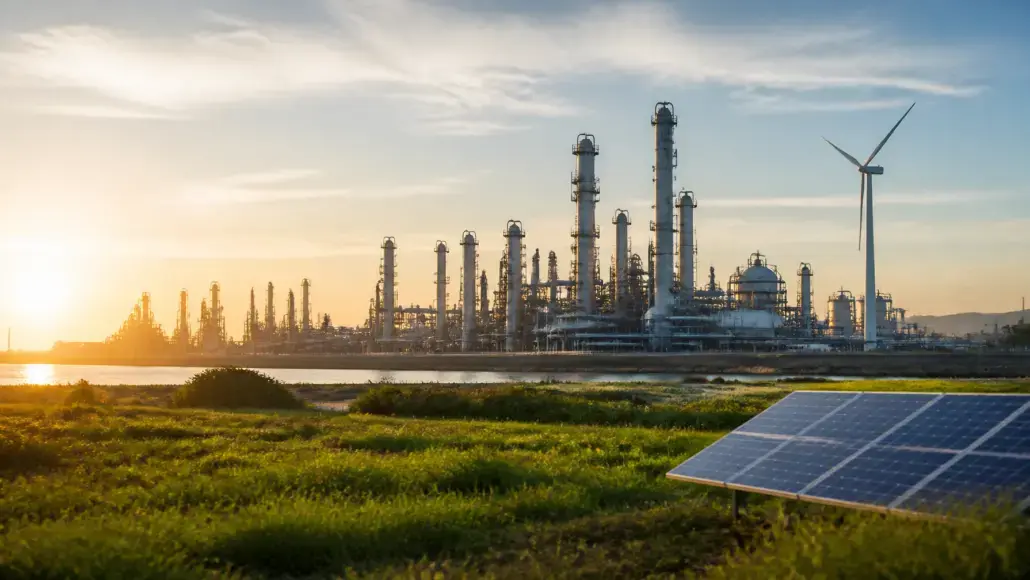
The intersection of digital transformation and sustainability is giving rise to a new paradigm in the energy sector: the digital circular economy. As we navigate the complex industrial landscape of 2026, Oil & Gas Advancement notes that the integration of Artificial Intelligence (AI) and Digital Twin technology has become essential for companies striving to optimize resource recovery and minimize their environmental footprint. This synergy allows for a level of precision and foresight that was previously unattainable, transforming how materials are tracked, managed, and repurposed throughout the energy value chain.
The Role of Digital Twins in Asset Lifecycle Management
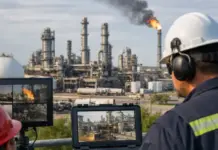
A digital twin is a virtual representation of a physical asset, process, or system that is updated in real-time with data from sensors and IoT devices. Within the context of the digital circular economy, digital twins provide a comprehensive ‘cradle-to-grave’ view of industrial infrastructure. By maintaining a virtual mirror of a refinery or an offshore platform, operators can track the degradation of materials, predict when components need replacement, and identify opportunities for refurbishing rather than discarding equipment.
This visibility is crucial for extending the life of capital-intensive assets. Instead of following a rigid, time-based maintenance schedule that often leads to the premature disposal of functional parts, companies can use digital twins to implement condition-based maintenance. This ensures that every piece of equipment is utilized to its full potential, reducing the demand for raw materials and the energy associated with manufacturing new components. Furthermore, when an asset eventually reaches the end of its life, the digital twin contains a detailed material inventory, facilitating more efficient decommissioning and high-quality recycling of steel, copper, and other valuable resources.
AI-Driven Optimization of Resource Recovery
While digital twins provide the data foundation, Artificial Intelligence serves as the analytical engine of the digital circular economy. Machine learning algorithms can process vast amounts of operational data to identify patterns and anomalies that human operators might miss. In refining and petrochemical production, AI is being used to optimize chemical reactions and separation processes, maximizing the yield of desired products while minimizing the generation of byproducts and waste.
For instance, AI models can precisely control the heating and cooling cycles in a distillation column, ensuring optimal energy use and reducing the amount of off-spec product that would traditionally be flared or sent to waste treatment. In the realm of waste management, AI-powered sorting systems can identify and categorize different types of industrial waste with high accuracy, ensuring that materials like spent catalysts or contaminated sludge are directed toward the most appropriate recovery pathway. This level of granular control is essential for transforming a linear industrial process into a truly circular one, where every output is carefully managed as a potential input for another process.
Enhancing Supply Chain Transparency and Circularity
The digital circular economy extends beyond the fence-line of individual facilities to encompass the entire supply chain. One of the biggest challenges in circularity is maintaining the pedigree of materials as they move between different stakeholders. Digital tools, including blockchain and AI-integrated logistics platforms, are providing the transparency needed to track material flows across global networks. This digital product passport approach ensures that recycled materials meet the necessary quality and safety standards for reuse in critical energy applications.
By analyzing supply chain data, AI can also identify opportunities for industrial symbiosis—where the waste or byproducts of one company become the feedstock for another. For example, excess heat from a refinery could be used in a nearby desalination plant, or captured carbon dioxide could be transported to a chemical facility for the production of synthetic fuels. The digital circular economy facilitates these cross-industry collaborations by providing a common platform for data sharing and resource matching, effectively creating a more interconnected and resilient industrial ecosystem.
Predictive Analytics for Environmental Compliance
Regulatory pressure regarding waste reduction and carbon emissions is at an all-time high in 2026. Companies are increasingly required to provide detailed reports on their circularity metrics and environmental impact. The digital circular economy simplifies this process by automating data collection and analysis. Predictive analytics can forecast potential environmental risks, such as leaks or emissions spikes, allowing operators to take proactive measures before an incident occurs.
Moreover, AI can help companies navigate the complex landscape of international environmental regulations by continuously monitoring changes in legislation and suggesting adjustments to operational strategies. This ensures that circularity is not just a voluntary sustainability goal but an integral part of a company’s risk management and compliance framework. The ability to demonstrate a data-driven, transparent approach to resource management is becoming a key differentiator for energy companies in the eyes of investors, regulators, and the general public.
Overcoming Barriers to Digital Circularity
Despite its clear benefits, the implementation of the digital circular economy faces several significant hurdles. Data silos remain a major challenge, as different departments or partner companies may use incompatible systems or be reluctant to share sensitive operational data. Cybersecurity is another critical concern; as industrial systems become more connected and data-driven, they also become more vulnerable to cyberattacks. Protecting the integrity of digital twins and AI models is paramount for ensuring the safety and reliability of circular operations.
Furthermore, there is a significant skills gap in the industry. The successful deployment of digital circular strategies requires a workforce that is proficient in both traditional energy engineering and advanced data science. Companies must invest in comprehensive training and upskilling programs to ensure their employees can effectively use these new tools. Addressing these challenges requires a concerted effort from leadership to foster a culture of innovation, collaboration, and continuous learning.
The Future: A Fully Autonomous Circular System
As we look toward 2030 and beyond, the ultimate goal of the digital circular economy is the creation of fully autonomous, self-optimizing circular systems. In this future state, AI-driven refineries and platforms will automatically adjust their operations to maximize resource efficiency, minimize waste, and respond to changing market conditions or environmental constraints without human intervention. Digital twins will evolve from being mere representations to being active participants in the decision-making process, conducting complex simulations to find the most sustainable and profitable path forward.
The transition to a digital circular model is not just a technological upgrade. It is a fundamental reimagining of the energy industry’s role in society. Oil & Gas Advancement believes that by leveraging the power of AI and digital twins, the oil and gas sector can demonstrate that it is capable of operating within planetary boundaries while continuing to provide the energy and materials the world needs. The journey toward a digital circular economy is well underway, and it is set to define the next era of industrial excellence and environmental stewardship.
