
















Tanzanian President Samia Suluhu Hassan and Ugandan President Yoweri Museveni have officially witnessed the signing of an agreement to develop the city of Tanga into a significant Tanga Regional Energy Hub. This initiative involves a partnership with the global energy trader Vitol Bahrain. The project aims to bolster fuel storage, logistics, and energy trading capabilities, which are expected to create new jobs and attract substantial investment into East Africa.
Expanding Regional Energy Infrastructure
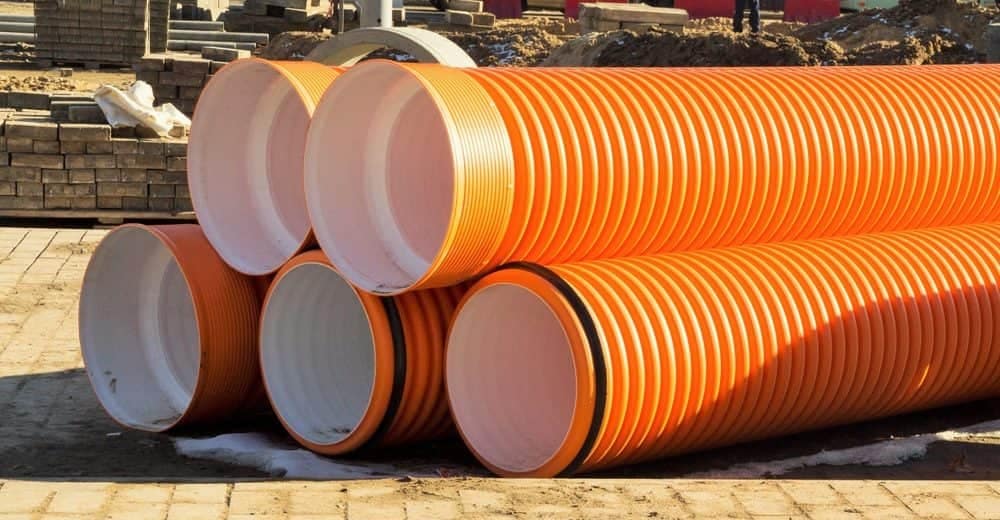
The agreement signifies a deepening of the cooperation between the two nations, building upon existing cross-border energy infrastructure projects such as the pipeline connecting the countries. President Samia Suluhu Hassan stated that the project aligns with a commitment to increase the value of local resources and enhance economic collaboration, allowing the population to benefit more directly from the energy value chain.
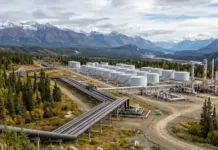
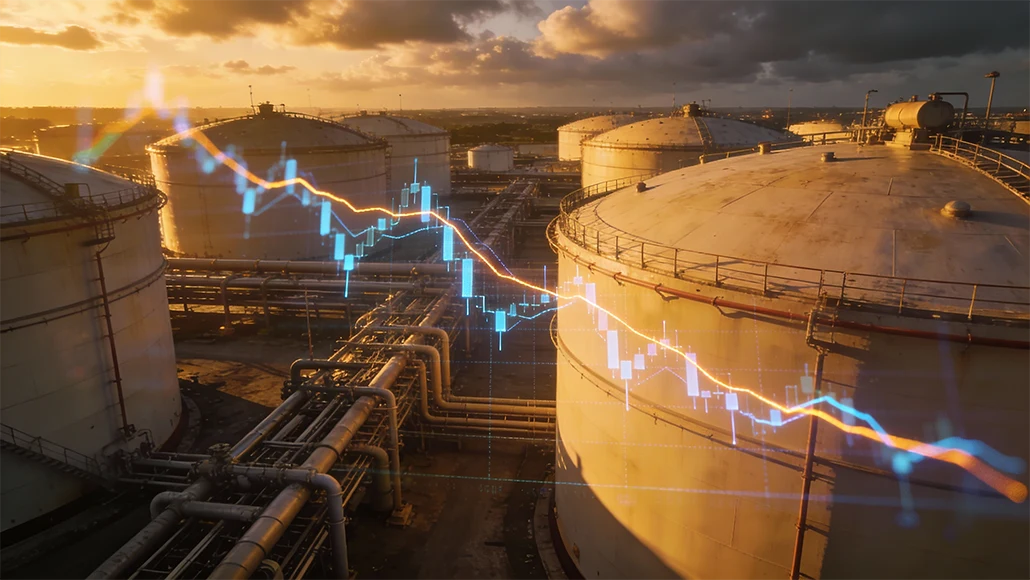
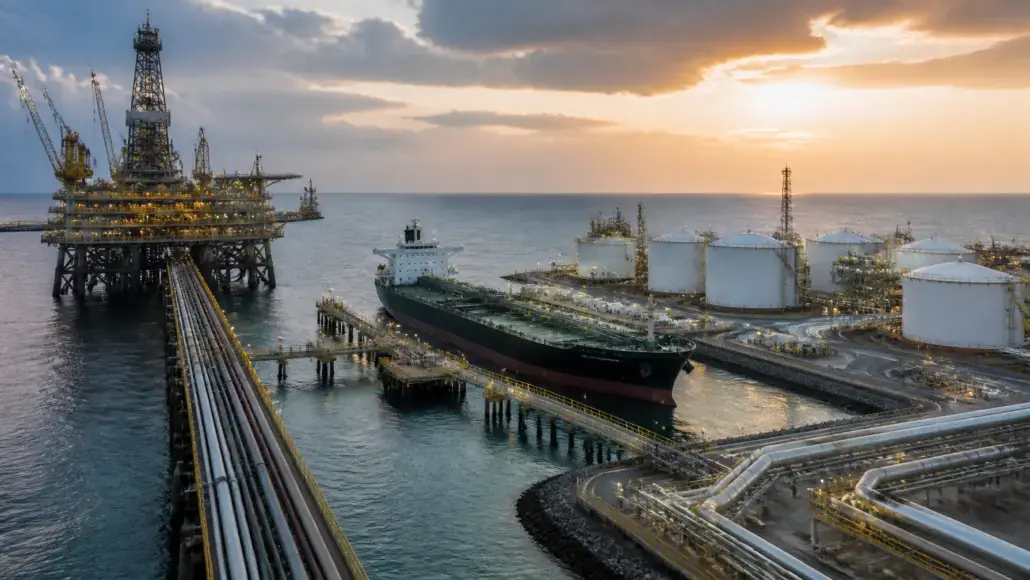
The Tanga Regional Energy Hub is designed to provide support for petroleum blending, marine services, and fuel trading. By establishing this center, the countries involved aim to retain more economic value from their natural resources rather than relying on external trading hubs and imported refined products.
Impact on Oil Resources and Trade
As Uganda prepares to commence commercial crude oil production, this development is essential for its transition into an oil-producing nation. The planned infrastructure will serve as a primary gateway for its oil exports to reach international markets.
The involvement of Vitol, a major independent energy trader, provides a technical layer to the project. The company, which maintains existing supply agreements within the region, is positioned to support the expansion of fuel storage and logistics. Furthermore, this move is part of a larger regional vision that includes exploring the construction of a regional oil refinery to process local oil resources.
By improving logistics and reducing supply chain costs, this project is expected to enhance the efficiency of regional trade across the East African community. As governments continue to invest in the necessary infrastructure for processing and transporting energy, the development of Tanga represents a step toward strengthening the energy security and economic integration of the region.
