




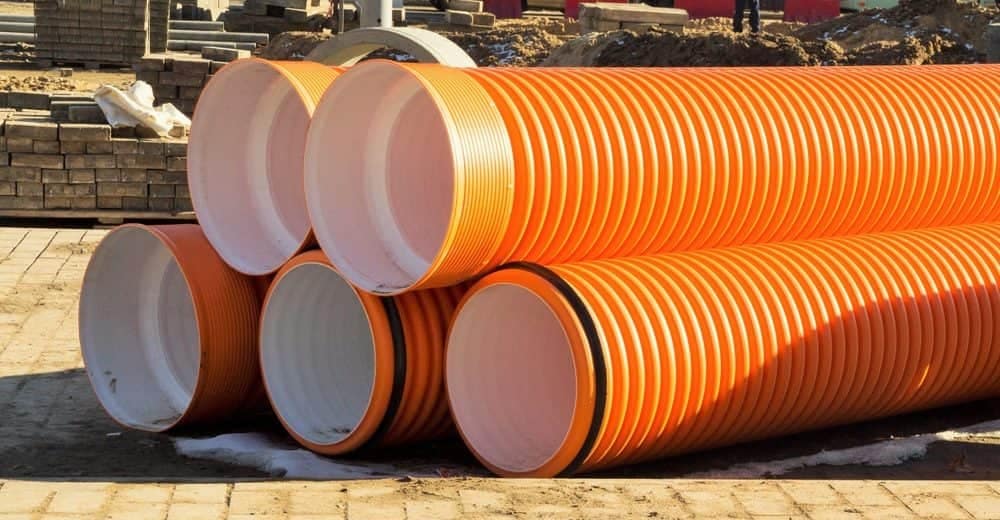


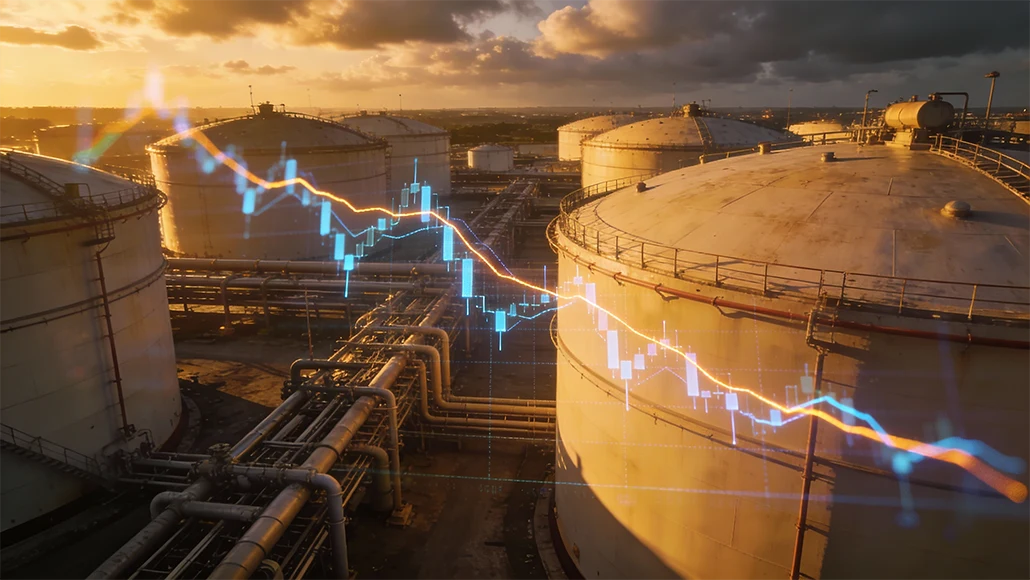
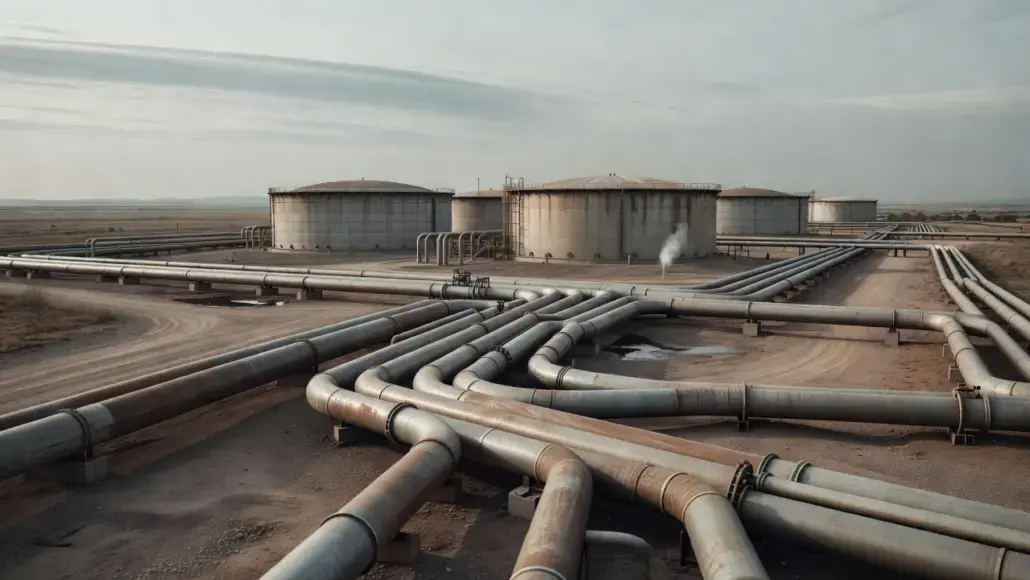
The midstream energy sector is currently experiencing a transformative phase where pipeline-storage integration has become the cornerstone of logistical optimization. As the global demand for crude oil and refined products continues to fluctuate, the ability to seamlessly coordinate the flow of energy through pipelines with the capacity of storage terminals is essential for maintaining a stable and efficient supply chain. This integration represents more than just physical connectivity. It is a sophisticated orchestration of infrastructure, technology, and operational strategy that aims to eliminate bottlenecks, reduce costs, and enhance the overall resilience of the energy distribution network. Oil & Gas Advancement notes that by aligning these two critical components, midstream operators are achieving levels of agility that were previously unattainable.
The Synergy between Pipelines and Storage Assets
The fundamental relationship between pipelines and storage is one of flow and buffer. Pipelines provide the high-volume, continuous transportation of energy, while storage terminals act as the flexible buffers that absorb imbalances between supply and demand. Pipeline-storage integration seeks to optimize this relationship by creating a unified system where data and operations are synchronized. This synergy is crucial for managing the complexities of modern energy markets, where producers, refiners, and traders all require precise timing and reliable delivery to maintain their operations.
Harmonizing Transportation and Storage Capacity
A key challenge in midstream logistics is the mismatch between pipeline throughput and terminal capacity. Pipeline-storage integration addresses this by using advanced modeling and real-time data to balance these two elements. For example, if a pipeline’s capacity is constrained, storage terminals can be used to hold excess production until space becomes available. Conversely, if a terminal is reaching its limit, pipeline flows can be adjusted to prevent an overflow. This dynamic balancing ensures that the entire system operates at its most efficient point, maximizing the utilization of both transportation and storage assets.
Managing Variable Flow Rates and Batching
Pipelines often handle multiple types or “batches” of crude oil and refined products, each with its own destination and quality requirements. Integrating storage into this batching process is essential for maintaining product integrity and ensuring timely delivery. Pipeline-storage integration allows for the temporary holding of batches at strategic locations, providing the flexibility needed to manage complex delivery schedules without disrupting the overall flow of the pipeline. This capability is particularly important in large, multi-user pipeline systems where coordination between numerous stakeholders is required.
Mitigating Bottlenecks and Reducing Demurrage
Bottlenecks at the interface of pipelines and storage terminals can lead to significant delays and increased costs, such as demurrage for vessels waiting to load or unload. Pipeline-storage integration helps to identify and eliminate these bottlenecks by streamlining the transfer of products between the two systems. Automated control systems can optimize pumping speeds and valve configurations to match the capacity of the receiving facility, while real-time visibility allows operators to anticipate potential delays and take corrective action before they become critical.
The Role of Technology in Integrating Logistics
The successful implementation of pipeline-storage integration relies heavily on advanced digital technologies. From SCADA (Supervisory Control and Data Acquisition) systems that monitor pipeline flows to sophisticated Terminal Management Systems (TMS) that coordinate storage operations, technology provides the “nervous system” that links these two infrastructures. The integration of these digital platforms allows for the seamless exchange of data, providing a holistic view of the entire midstream logistics chain.
Real-Time Telemetry and Predictive Analytics
Real-time telemetry from pipelines and storage tanks provides a continuous stream of data on pressure, flow, temperature, and inventory levels. Pipeline-storage integration platforms analyze this data using predictive analytics to forecast potential imbalances or infrastructure failures. For instance, the system might predict that a specific storage hub will reach its capacity within 48 hours based on current pipeline flows and vessel arrival schedules. This foresight allows logistics managers to proactively redirect flows or adjust schedules, ensuring that the supply chain remains fluid and efficient.
Digital Twins and Network Simulation
A digital twin of the integrated pipeline and storage network allows operators to simulate the impact of different scenarios and optimize the system’s performance. These simulations can be used to test the effects of a pipeline outage, a surge in production, or a change in market demand. By running these “what-if” scenarios in a virtual environment, operators can develop robust contingency plans and identify the most effective strategies for managing the integrated network. This simulation capability is a powerful tool for enhancing the resilience and reliability of midstream logistics.
Strategic Benefits of Integrated Midstream Operations
Beyond immediate operational improvements, pipeline-storage integration offers significant strategic advantages for midstream companies and the broader energy market. By creating a more efficient and flexible logistics network, integrated operations can lower the overall cost of energy distribution, improve market liquidity, and enhance the security of the energy supply. These benefits are driving a wave of investment in integrated infrastructure and digital platforms across the industry.
Lowering Costs and Enhancing Market Competitiveness
The efficiencies gained through pipeline-storage integration translate directly into lower operational costs. By reducing bottlenecks, optimizing asset utilization, and minimizing delays, midstream operators can lower their per-barrel transportation and storage expenses. These cost savings can then be passed on to customers, making the integrated network more competitive in the market. Furthermore, the ability to offer more reliable and flexible services attracts a wider range of customers, including producers who need a dependable outlet for their output and refiners who require a consistent supply of feedstock.
Improving Supply Chain Resilience and Energy Security
A well-integrated midstream network is more resilient to disruptions, whether they are caused by technical failures, natural disasters, or geopolitical events. Pipeline-storage integration provides multiple pathways for moving energy and the storage capacity needed to buffer against sudden supply shocks. This resilience is a key component of regional and national energy security, ensuring that critical supplies continue to flow even during periods of crisis. By investing in integrated infrastructure, nations can protect their economies and maintain the stability of their energy markets.
Facilitating Global Trade and Market Rebalancing
The integration of pipelines and storage terminals at major trading hubs is essential for facilitating global trade in oil and gas. These hubs act as the primary nodes where production from different regions is aggregated, blended, and redistributed to international markets. Pipeline-storage integration ensures that these hubs can handle the massive volumes involved efficiently and transparently. By providing the infrastructure and technology needed for market rebalancing, integrated midstream operations play a vital role in dampening extreme price volatility and ensuring a more stable global energy market.
Future Trends in Pipeline and Storage Integration
As the energy landscape continues to evolve, the integration of pipelines and storage will remain a key focus for the industry. New trends, such as the transition to renewable energy and the rise of carbon capture and storage (CCS), are creating new challenges and opportunities for midstream logistics. The same principles of pipeline-storage integration that are applied to oil and gas today will be essential for managing the energy infrastructure of the future.
Adapting to the Energy Transition and Decarbonization
The transition to a low-carbon economy will require the integration of new types of infrastructure, such as hydrogen pipelines and CO2 storage facilities. Pipeline-storage integration will be critical for managing the logistics of these new energy carriers, which often have unique transportation and storage requirements. By leveraging their expertise in integrating traditional midstream assets, companies can play a leading role in developing the infrastructure needed for a sustainable energy future.
Advancing Automation and Autonomous Logistics
The next frontier for pipeline-storage integration is the move toward fully autonomous logistics operations. While we are still in the early stages, the integration of AI and machine learning is already beginning to automate complex coordination tasks that were previously handled manually. In the future, we can expect to see integrated networks that can self-optimize in real-time, responding to market signals and operational conditions with minimal human intervention. Oil & Gas Advancement believes that this shift toward autonomous logistics will further increase the efficiency, safety, and reliability of the midstream sector, ensuring its continued importance in the global energy system.
