











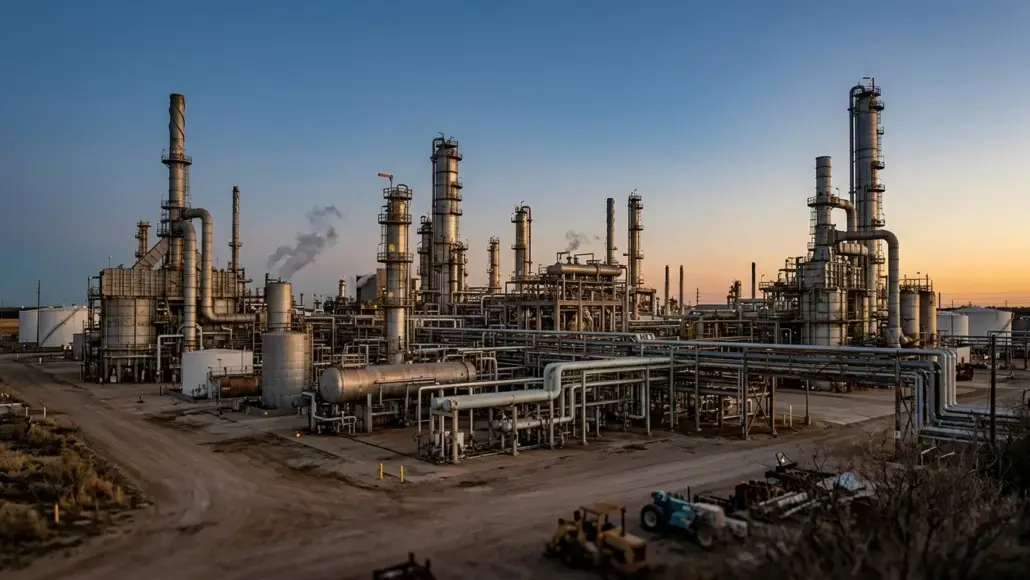
The global energy landscape is undergoing a profound transformation, and at the heart of this shift lies the refining industry. For decades, refineries have been the backbone of global mobility and industrial productivity, yet they also represent one of the most significant sources of industrial greenhouse gas emissions. As the world pivots toward net-zero targets, the concept of refinery decarbonization has moved from a theoretical aspiration to a commercial necessity. Oil & Gas Advancement believes that central to this evolution is the strategic adoption of green hydrogen integration, a process that promises to fundamentally alter how we produce energy, manage industrial heat, and synthesize the chemicals that define modern life. The transition from traditional carbon-intensive methods to a more sustainable model is not merely an environmental mandate but a complete reimagining of the hydrogen refinery as a cornerstone of the emerging hydrogen economy.
The Traditional Hydrogen Dilemma in Industrial Decarbonization
To appreciate the impact of clean hydrogen, one must first understand the historical role of hydrogen within a refinery. Hydrogen is the circulatory system of the refining process. It is used extensively in hydrotreating to remove impurities like sulfur from crude oil and in hydrocracking to break down heavy molecular chains into high-value products like gasoline, diesel, and jet fuel. Historically, this hydrogen has been produced through Steam Methane Reforming (SMR), a process that relies on natural gas as a feedstock. While SMR is cost-effective and highly efficient, it is also carbon-intensive, releasing significant amounts of carbon dioxide into the atmosphere. This grey hydrogen is currently responsible for a massive portion of a refinery’s direct carbon footprint.
The challenge for industrial decarbonization is that refineries cannot simply stop using hydrogen; in fact, as crude oil quality declines and environmental regulations for fuels tighten, the demand for hydrogen actually increases. This creates a paradox where the industry needs more of a resource that is a major contributor to its emissions profile. This is where green hydrogen integration enters the narrative. By replacing grey hydrogen with hydrogen produced via the electrolysis of water using renewable energy, refineries can eliminate a substantial percentage of their Scope 1 and Scope 2 emissions without compromising their core output.
Technical Pathways for Green Hydrogen Integration
Integrating green hydrogen into existing refinery operations is far more complex than simply swapping one gas for another. It requires a sophisticated understanding of both chemistry and logistics. The primary technology at play is the electrolyzer, which uses electricity to split water into hydrogen and oxygen. For a refinery to successfully implement this, it must manage the scale and intermittency of renewable energy sources like wind and solar. Unlike a steady stream of natural gas, renewable energy fluctuates, meaning the hydrogen refinery of the future must incorporate significant storage solutions or be paired with massive, dedicated renewable energy parks to ensure a constant supply of pressurized hydrogen for sensitive refining units.
There are two primary types of electrolyzer technologies currently being evaluated for large-scale sustainable refining: Proton Exchange Membrane (PEM) and Alkaline electrolysis. PEM electrolyzers are often favored for their ability to respond quickly to the fluctuations of renewable power, making them ideal for direct integration with wind or solar farms. Alkaline electrolyzers, while more mature and generally less expensive at scale, typically require a more stable power input. Choosing between these technologies—or utilizing a hybrid approach—is a critical decision for engineers tasked with refinery decarbonization. The goal is to ensure that the hydrogen supply remains as reliable as the SMR units they are intended to replace or supplement.
Optimizing Refinery Operations for Low-Carbon Fuels
The drive for clean hydrogen is closely linked to the growing market for low-carbon fuels. As the aviation and maritime industries face increasing pressure to reduce their carbon footprints, the demand for Sustainable Aviation Fuel (SAF) and renewable diesel is skyrocketing. Producing these fuels requires significantly more hydrogen than traditional fossil-based fuels because bio-based feedstocks often have a high oxygen content that must be removed through hydrodeoxygenation. Green hydrogen integration provides the necessary chemical bridge to turn vegetable oils, waste fats, and cellulosic biomass into drop-in fuels that are compatible with existing engines.
Furthermore, the integration process allows refineries to diversify their product portfolios. A refinery that masters the production and use of green hydrogen can pivot from being a purely petroleum-based facility to a multi-energy hub. This transition is essential for the long-term viability of the industry. By producing low-carbon fuels, refineries can maintain their relevance in a world where electric vehicles are reducing the demand for traditional gasoline. The hydrogen itself can also become a product for sale, serving local transport fleets or being injected into natural gas grids, thereby deepening the facility’s role in the regional hydrogen economy.
Overcoming the Economic and Infrastructure Hurdles
While the environmental case for green hydrogen integration is undeniable, the economic hurdles remain significant. Currently, the cost of producing green hydrogen is substantially higher than that of grey hydrogen. This price disparity is driven by the capital expenditure required for high-capacity electrolyzers and the operational costs associated with securing a consistent supply of renewable electricity. However, the gap is narrowing. Economies of scale, advancements in electrolyzer manufacturing, and the falling cost of solar and wind power are all contributing to a downward trend in green hydrogen pricing.
Policy frameworks play an indispensable role in bridging this economic gap. In many regions, carbon pricing and subsidies for renewable energy projects are making refinery decarbonization a more attractive investment. Governments are recognizing that without the active participation of heavy industry, net-zero targets will remain out of reach. Tax credits, such as those seen in recent North American and European legislation, provide the financial cushion necessary for refineries to take the leap into large-scale green hydrogen integration. These incentives do not just offset costs; they de-risk the transition for stakeholders and encourage the long-term capital commitments required for such massive infrastructure projects.
Scaling Up for Global Impact
The scale of integration required is staggering. A mid-sized refinery might require hundreds of megawatts—or even gigawatts—of electrolyzer capacity to fully replace its SMR units. This scale necessitates a complete overhaul of on-site utilities. Beyond the electrolyzers, refineries must invest in water purification systems, as the electrolysis process requires high-purity water, and heat management systems to handle the thermal energy produced during the splitting of water molecules.
Integration also demands a rethink of inside the fence versus outside the fence operations. Some refineries are choosing to build and operate their own electrolyzer plants, while others are entering into over-the-fence agreements with third-party utility providers who deliver the hydrogen via pipeline. This latter model allows the refinery to focus on its core competency of fuel production while leveraging the expertise of specialized hydrogen producers. Regardless of the business model, the physical footprint of the refinery will expand, requiring new safety protocols and a workforce trained in the nuances of high-pressure hydrogen handling and renewable energy management.
Sustainable Refining and the Circular Economy
The shift toward sustainable refining goes beyond just emissions reduction; it is about embracing a circular economic model. For instance, the byproduct of electrolysis is pure oxygen. In a traditional setup, this might be vented into the atmosphere, but a truly integrated hydrogen refinery can find value in this stream. The oxygen can be used to enrich the air in fluid catalytic cracking units or used in wastewater treatment facilities, further improving the overall efficiency of the site.
Additionally, the captured carbon from existing processes, if combined with clean hydrogen, can be used to create synthetic fuels or e-fuels. This process, known as Power-to-X, represents the ultimate frontier of industrial decarbonization. It allows for a closed-loop system where carbon is reused rather than released, and the energy carrier is entirely carbon-neutral. While still in its infancy, the pilot projects currently underway at major global refineries are proving that this level of integration is technically feasible and holds the key to a future where liquid fuels are no longer synonymous with environmental degradation.
Navigating the Social and Regulatory Landscape
The transition to green hydrogen integration also carries significant social and regulatory implications. As refineries are often major employers in their local communities, the move toward greener technologies must be managed as a just transition. This involves reskilling workers and ensuring that the new hydrogen-based economy provides the same level of economic stability as the oil era. Regulators are also looking at the life-cycle analysis of hydrogen, ensuring that the electricity used is truly additional and not simply diverted from the existing grid, which could inadvertently increase overall emissions.
In Europe, the Renewable Energy Directive (RED II and III) has set strict criteria for what constitutes green hydrogen, forcing refineries to be meticulous in their sourcing and documentation. Similar standards are being developed globally, creating a standardized market for clean hydrogen. For refinery operators, staying ahead of these regulations is not just about compliance; it is about securing a competitive advantage in a market where consumers and corporate partners are increasingly demanding transparency regarding the carbon intensity of their fuel.
Synthesizing the Path Forward
The integration of green hydrogen into refining operations is not a singular event but a multi-decade journey of transformation. It begins with small-scale pilots that prove the reliability of electrolyzers within the high-stakes environment of a refinery. It then moves into larger demonstrations where green hydrogen is blended with grey hydrogen to gradually lower the carbon intensity of the final products. Finally, it culminates in the full-scale hydrogen refinery, an industrial facility that operates in harmony with the planet’s ecological limits.
As we look toward the middle of the century, the refineries that thrive will be those that viewed refinery decarbonization not as a burden but as a catalyst for innovation. The movement toward green hydrogen integration is essentially a commitment to the longevity of the industry. It ensures that the vital role refineries play in the global economy—providing the energy and materials necessary for society to function—can continue in a world that can no longer afford the cost of carbon. Oil & Gas Advancement notes that by embracing low-carbon fuels and the broader hydrogen economy, the refining sector is proving that even the most established industrial giants can evolve, paving the way for a cleaner, more resilient energy future.
