







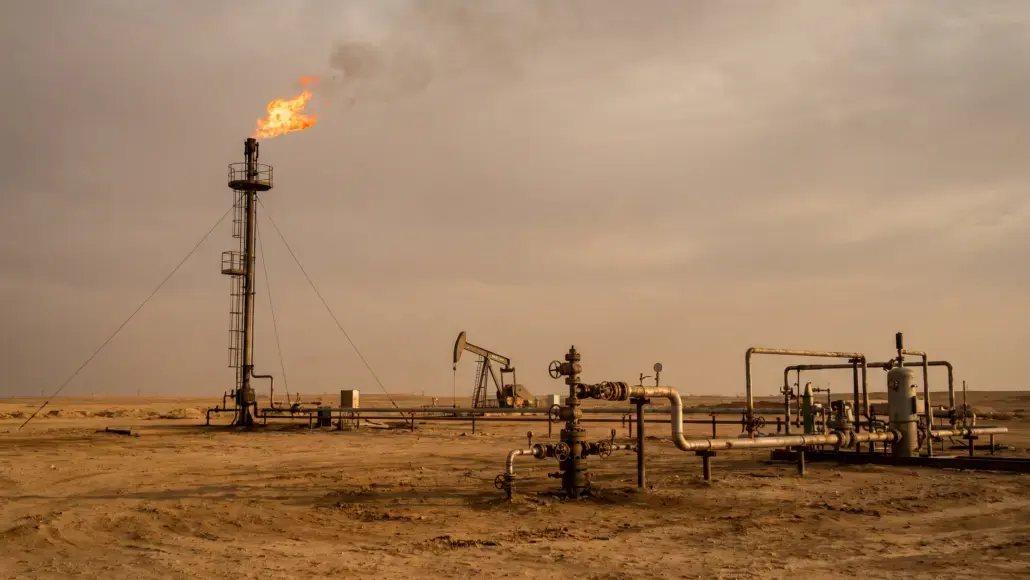
The global energy sector is currently navigating a pivotal transition where the mandate to reduce environmental impact has shifted from a voluntary corporate social responsibility initiative to a non-negotiable operational imperative. Oil & Gas Advancement notes that at the center of this transformation is the Zero Routine Flaring (ZRF) by 2030 initiative, a global effort spearheaded by the World Bank and the United Nations to end the decades-old practice of burning associated gas during oil production. For the upstream oil and gas sector, achieving this goal is not merely a matter of compliance but a fundamental restructuring of how energy is harvested and managed. As we approach the 2030 sustainability goals, the integration of advanced technologies and strategic gas utilization has become the primary mechanism through which producers can align with increasingly stringent ESG targets and significantly lower their carbon emissions.
The Strategic Importance of Zero Routine Flaring in the Energy Transition
Understanding the distinction between routine and non-routine flaring is essential for appreciating the scope of the Zero Routine Flaring by 2030 initiative. Routine flaring occurs during normal production operations when gas is produced alongside oil but is not used on-site or sent to market. In contrast, non-routine flaring remains necessary for safety during emergencies, maintenance, or equipment failure. The global push targets the former, which represents a significant loss of energy and a major source of carbon emissions. For producers, committing to ZRF is a declaration of intent to modernize. It signals to investors and regulators that a company is serious about its ESG targets and is actively working to minimize the carbon intensity of its operations.
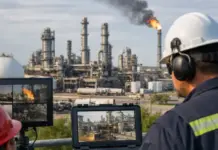
The scale of the challenge is significant. According to the World Bank’s Global Gas Flaring Reduction Partnership (GGFR), billions of cubic meters of natural gas are flared annually, enough to power millions of homes. When this gas is flared, it releases carbon dioxide into the atmosphere. Perhaps more critically, inefficient flaring leads to the release of unburnt methane—a greenhouse gas with a global warming potential significantly higher than CO2 over a twenty-year period. Consequently, zero routine flaring is now recognized as one of the most effective levers for immediate methane reduction in the energy sector.
Flare Gas Recovery: The Primary Technological Frontier
To meet 2030 sustainability goals, the industry is increasingly relying on flare gas recovery (FGR) systems. These technologies act as the first line of defense against emissions by capturing gas that would otherwise be sent to the flare header. An FGR system typically consists of compression units, liquid separators, and control systems designed to handle the variable flow and composition of associated gas. By capturing this gas, producers can repurpose it for on-site power generation, reinject it into reservoirs for enhanced oil recovery, or process it for sale.
The sophistication of modern FGR units has increased dramatically. Older systems often struggled with the corrosive nature of some associated gases or the fluctuating pressures inherent in upstream operations. Today’s modular, skid-mounted FGR systems are designed for rapid deployment even in remote or offshore environments. These units utilize advanced compression technologies, such as liquid ring compressors or dry screw compressors, which are capable of handling ‘wet’ gas and varying flow rates with high reliability. The integration of these systems directly reduces the carbon emissions profile of a facility while simultaneously recovering a valuable resource that was previously treated as waste.
Gas Utilization Strategies: Beyond the Pipe
One of the greatest hurdles to zero routine flaring has traditionally been geography. Many upstream oil and gas assets are located in remote regions where constructing a pipeline to transport associated gas to a central processing plant is economically unfeasible. In these scenarios, the focus shifts to localized gas utilization. This virtual pipeline approach transforms the captured gas into a variety of useful products right at the wellhead.
One of the most promising avenues is the conversion of gas to power. Small-scale gas turbines or reciprocating engines can use captured flare gas to generate electricity for the production facility itself, reducing the need for diesel generators and further lowering the site’s carbon footprint. Excess power can sometimes even be fed back into the local grid, turning an environmental liability into a revenue stream. Additionally, micro-LNG and compressed natural gas (CNG) technologies have matured to the point where they can be deployed at the source. These modular plants liquefy or compress the gas so it can be transported via truck to nearby markets or industrial consumers.
Another innovative utilization method involves using the gas for on-site industrial processes, such as heating or as a feedstock for chemical production. In some regions, producers are even exploring ‘gas-to-bins’ solutions, where captured gas powers mobile data centers or cryptocurrency mining units located directly at the well site. While unconventional, these methods provide a high-value use for gas that would otherwise be flared, effectively bridging the gap until permanent infrastructure can be established.
Digitalization and Real-Time Emissions Control
The success of any zero routine flaring strategy depends on the ability to accurately measure and monitor emissions. You cannot manage what you do not measure, and for many years, flaring volumes were estimated rather than precisely tracked. Digitalization is changing this through the deployment of advanced sensors, satellite monitoring, and AI-driven analytics. Modern emissions control systems provide real-time data on flare combustion efficiency, allowing operators to adjust parameters instantly to ensure that if flaring must occur for safety, it is as clean as possible.
IoT-enabled sensors placed throughout the production chain can detect leaks and identify ‘thieving’ valves that allow gas to escape into the flare system unnoticed. Furthermore, satellite-based observation has become a powerful tool for global transparency, providing independent verification of flaring activity across the world. For producers, these digital tools are essential for reporting against ESG targets and proving to stakeholders that they are meeting their methane reduction commitments. AI algorithms can also predict flaring events by analyzing pressure and flow trends, allowing operators to take preemptive action to divert gas into recovery systems before flaring becomes necessary.
The Role of Carbon Markets and Economic Incentives
While the environmental case for zero routine flaring is clear, the economic case has historically been more complex. The capital expenditure required for flare gas recovery and gas utilization can be substantial. However, the landscape is shifting as carbon pricing mechanisms and methane taxes become more common. In many jurisdictions, the cost of emitting carbon is rising to the point where investing in ZRF technology offers a compelling return on investment.
Furthermore, the ‘green premium’ on low-carbon energy is creating new market opportunities. Producers who can certify that their oil is produced with zero routine flaring may find their products more attractive to buyers who are themselves under pressure to decarbonize their supply chains. This economic alignment is a critical component of reaching 2030 targets. When the cost of flaring—both in terms of lost resource value and carbon penalties—exceeds the cost of recovery and utilization, the transition to ZRF becomes a self-sustaining business strategy.
Overcoming Operational and Economic Barriers in Upstream Oil and Gas
Despite the availability of technology, several barriers to zero routine flaring remain. Infrastructure is the most prominent. In many developing oil-producing regions, the lack of a national gas grid makes it difficult to find a home for recovered gas. Overcoming this requires not only technological innovation but also policy intervention. Governments play a vital role by creating regulatory frameworks that encourage investment in gas gathering systems and by removing subsidies that might make flaring artificially cheap.
Regulatory clarity is also essential for gas utilization. In some areas, the legal status of associated gas is ambiguous, making it difficult for third-party companies to invest in onsite power generation or micro-LNG projects. By streamlining the permitting process and providing clear guidelines for gas ownership and sales, regulators can unlock the private capital needed to deploy ZRF technologies at scale. Collaboration between the public and private sectors is the only way to ensure that the necessary infrastructure is built in time to meet the 2030 deadline.
ESG Targets and the Future of Upstream Oil and Gas
The commitment to zero routine flaring has become a benchmark for excellence in the upstream oil and gas industry. Investors are increasingly using flaring intensity as a key metric when evaluating the sustainability of energy companies. Consequently, firms that lag behind in adopting emissions control technologies may find themselves facing higher costs of capital or divestment.
As we look toward the 2030 sustainability goals, the focus is expanding beyond just routine flaring. The industry is beginning to look at near-zero flaring, where even safety and maintenance flaring are minimized through better equipment design and predictive maintenance. The ultimate goal is a closed-loop system where every molecule of gas is accounted for and used productively. This evolution represents a complete reimagining of the upstream facility, from a site of extraction to a sophisticated energy hub that maximizes resource efficiency and minimizes environmental harm.
Achieving a Sustainable Balance
The journey to zero routine flaring is a testament to the ingenuity and resilience of the energy sector. By integrating flare gas recovery, advancing methane reduction, and pioneering new gas utilization techniques, producers are demonstrating that the transition to a low-carbon future is achievable. The technologies required to meet the 2030 targets are no longer experimental; they are proven, scalable, and increasingly economical.
As the industry continues to innovate, the focus must remain on the rapid deployment of these solutions across all geographies, not just in the most developed markets. The elimination of routine flaring is one of the most significant contributions the oil and gas industry can make to the global effort to combat climate change. Oil & Gas Advancement believes that by turning a waste product into a source of energy, the sector is not only reducing its carbon footprint but also contributing to global energy security and economic growth. The path to 2030 is steep, but with the right combination of technology, policy, and persistence, zero routine flaring is a goal that is firmly within reach.
