








The global energy landscape is currently undergoing a profound transformation, driven by an intricate interplay of escalating energy demand, volatile commodity prices, and an urgent imperative for environmental sustainability. In this era of rapid change, a sophisticated solution is emerging from the convergence of traditional energy heavyweights and nascent clean energy technologies: the integrated energy hubs. These hubs represent a paradigm shift from siloed operations to a holistic, symbiotic ecosystem where refining, petrochemicals, liquefied natural gas (LNG), and hydrogen production facilities are strategically co-located and operationally intertwined. This innovative model is not merely an incremental improvement but a fundamental reimagining of industrial operations, promising to redefine efficiency, enhance economic resilience, and accelerate decarbonization efforts across the global industrial sector.
For decades, the energy industry has grappled with the complexities of optimizing diverse value chains, often with each segment, be it oil refining or chemical production, operating largely independently. While some level of integration has always existed, particularly between refining and petrochemicals, the scale and scope of what constitutes an integrated energy hub today are far more ambitious. The contemporary imperative stems from a recognition that isolated facilities are inherently less efficient and more vulnerable to market fluctuations and environmental pressures. The strategic unification of these varied processes allows for unprecedented levels of resource optimization, waste heat recovery, and feedstock flexibility, which are critical differentiators in an increasingly competitive and sustainability-conscious world. Oil & Gas Advancement sees this shift as imperative for a new blueprint for industrial development, one that prioritizes circularity and maximum value extraction from every molecule processed.
The Genesis of Integration: Evolving from Traditional Synergies to a Holistic Vision
The concept of integrating industrial processes is far from new. Large-scale refineries have long incorporated petrochemical units to convert surplus naphtha or gas oil into higher-value chemicals, thus optimizing their feedstock utilization and diversifying their product portfolios. This traditional form of downstream integration served as a foundational model, demonstrating the inherent economic advantages of co-location, shared utilities, and streamlined logistics. However, the scope of these older integrations was typically confined to hydrocarbon-based processes, primarily focused on maximizing the yield of fuels and basic chemicals.
What differentiates the modern emergence of integrated energy hubs is the deliberate inclusion of entirely new energy vectors like LNG and, most critically, hydrogen. This expanded vision is driven by a confluence of factors: the global pivot towards gas as a transition fuel, the pressing need for decarbonization strategies, and advancements in carbon capture and hydrogen production technologies. The volatility of global energy markets and increasingly stringent environmental regulations have also catalyzed this shift, compelling industries to seek out solutions that offer greater operational flexibility, cost efficiencies, and a clear pathway to reduced carbon footprints. The focus is no longer solely on refining margins or petrochemical growth in isolation, but on creating an interconnected system that can adapt to future energy demands while meeting ambitious climate targets. This complex interplay marks a significant evolution, pushing the boundaries of what an industrial complex can achieve.
Core Components and Synergies within Integrated Energy Hubs
At the heart of an integrated energy hub lies the deliberate co-location and synergistic operation of several distinct yet interdependent industrial processes. This intricate web typically includes:
Refining and Petrochemicals: The Enduring Foundation
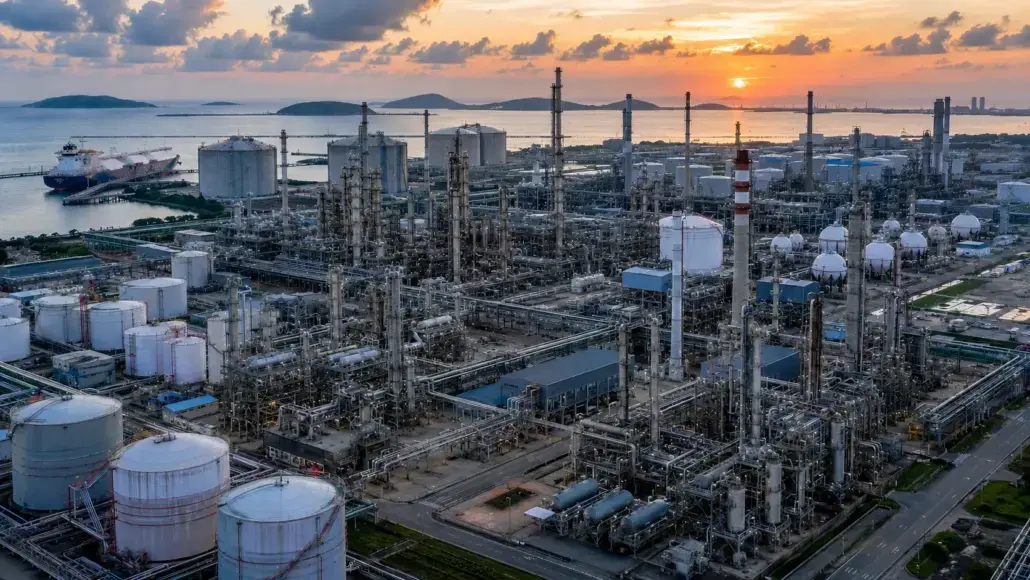
The foundational pillars of many modern hubs remain traditional refining and petrochemical operations. Refineries process crude oil into various fuels (gasoline, diesel, jet fuel) and feedstocks, while petrochemical plants convert these feedstocks (like naphtha, ethane, propane, or butane) into building block chemicals such as ethylene, propylene, and benzene, which are then used to produce plastics, fibers, and other industrial materials. The synergy here is profound: refinery by-products become valuable petrochemical feedstocks, optimizing resource use and reducing external purchases. Shared utility systems, common safety protocols, and integrated logistics further contribute to enhanced industrial energy efficiency and cost savings. This long-standing downstream integration model has consistently proven its economic merit by maximizing the value chain from a barrel of crude oil.
LNG and Hydrogen: Catalysts for a Sustainable Future
The distinguishing feature of the new generation of integrated energy hubs is the strategic incorporation of LNG and hydrogen. LNG, or liquefied natural gas, serves multiple critical roles. It can be a direct energy source for the entire hub, offering a cleaner-burning alternative to other fossil fuels, thus immediately contributing to lower operational emissions. Furthermore, natural gas is a primary feedstock for hydrogen production, particularly for blue hydrogen when combined with carbon capture, utilization, and storage (CCUS) technologies. The ability to import and re-gasify LNG within the hub ensures a stable and diversified energy supply, offering significant geopolitical and economic advantages. For regions with ample natural gas resources, LNG export facilities can also be integrated, creating a revenue stream that supports the overall hub economics.
Hydrogen, often hailed as the fuel of the future, plays an even more transformative role. Within an energy hub, hydrogen can be produced on-site via various methods, including steam methane reforming (SMR) for grey or blue hydrogen, or electrolysis using renewable electricity for green hydrogen. Once produced, it can be utilized in multiple ways: as a clean fuel for internal processes, replacing natural gas or other hydrocarbons as a crucial feedstock for specific petrochemical processes, such as ammonia or methanol production, and as an energy storage medium, allowing for the integration of intermittent renewable energy sources. The development of robust hydrogen infrastructure within these hubs is pivotal, ensuring its efficient production, distribution, and utilization. The co-production of LNG and hydrogen, for instance, allows for efficient resource allocation and cost sharing, moving towards a truly comprehensive energy hub model.
The combined operation of these elements allows for an unparalleled level of process optimization. Waste heat from one process can be captured and utilized in another, dramatically improving the overall thermal efficiency of the entire complex. By-products from refining might feed petrochemical units, while excess hydrogen can be channeled to reduce emissions in other parts of the hub or even exported. This intricate dance of inputs and outputs creates a circular economy within the industrial complex, driving down operational costs and significantly enhancing environmental performance.
Economic and Operational Advantages: A Multifaceted Win
The allure of integrated energy hubs extends far beyond mere environmental compliance. They offer compelling economic and operational advantages that are reshaping investment decisions in the energy sector.
Enhanced Efficiency and Cost Savings: One of the most significant benefits is the dramatic improvement in industrial energy efficiency. By centralizing utility generation, shared cooling towers, power generation units, and steam networks, these hubs reduce capital expenditure and operating costs compared to standalone facilities. Waste heat from exothermic processes (like refining) can be captured and utilized in endothermic processes (like petrochemical production or even hydrogen production), minimizing energy losses and reducing the overall energy footprint. This comprehensive resource optimization translates directly into lower production costs per unit and improved competitive positioning in global markets.
Margin Optimization and Flexibility: Integrated hubs provide an unmatched level of operational flexibility. Operators can dynamically adjust their product slate based on real-time market demands and price differentials. For instance, if petrochemical margins are high, more refinery feedstocks can be diverted to chemical production. Conversely, if fuel demand surges, the focus can shift back to traditional refinery outputs. This ability to pivot between different high-value product streams, driven by sophisticated downstream integration, allows for superior margin optimization and hedges against price volatility in any single product market. The diversification of revenue streams also contributes to greater financial stability for the operating entity.
Supply Chain Resilience: By producing multiple essential products and energy vectors on a single site, integrated hubs significantly bolster supply chain resilience. They reduce reliance on external suppliers for intermediates, mitigate transportation costs and risks, and ensure a stable supply of critical feedstocks for downstream processes. This internal self-sufficiency is a valuable asset in an increasingly uncertain global economic and geopolitical environment, providing a strategic advantage that standalone facilities cannot match. Furthermore, the ability to produce LNG and hydrogen on-site means greater energy security and reduced exposure to external energy market shocks.
Driving the Energy Transition and Decarbonization Strategies
Oil & Gas Advancement notes that the most critical role of integrated energy hubs in the current global context is their immense potential to accelerate the energy transition and enable ambitious decarbonization strategies. These complexes are designed to be at the forefront of sustainable industrial practices.
Pathways to Net-Zero Emissions: The holistic design of these hubs provides multiple avenues for achieving significant reductions in greenhouse gas emissions. For instance, the integration of Carbon Capture, Utilization, and Storage (CCUS) technologies becomes far more economically viable when implemented across a large, centralized industrial complex with multiple emission sources. CO2 captured from refining, petrochemical, or blue hydrogen production can be stored permanently underground or even utilized as a feedstock for new products.
Renewable Energy Integration and Hydrogen Production: The scale of these hubs makes them ideal candidates for integrating large-scale renewable energy projects. On-site solar farms or direct connections to offshore wind projects can power the hub’s operations and, crucially, fuel electrolytic hydrogen production. This green hydrogen can then be used to decarbonize processes that traditionally rely on fossil fuels, such as hydrocracking in refineries or specific chemical synthesis pathways. The flexible energy profile of an integrated hub can balance the intermittency of renewable sources, ensuring a stable energy supply while maximizing the use of clean power. This robust hydrogen infrastructure is central to the long-term decarbonization vision.
Circular Economy Principles: Beyond direct emissions reductions, integrated hubs promote a circular economy by optimizing resource utilization and minimizing waste. By-products from one process become feedstocks for another, reducing overall material consumption. Water recycling and optimized waste management are also easier to implement at a large, integrated scale. This comprehensive approach aligns perfectly with the broader goals of environmental stewardship and sustainable petrochemical growth, transforming what were once considered polluting industries into pioneers of industrial sustainability. The emergent energy hub model acts as a powerful enabler for these deep decarbonization efforts.
Challenges and the Road Ahead
While the vision for integrated energy hubs is compelling, their realization is not without significant hurdles. The sheer scale and complexity of these projects demand substantial capital investment, often running into billions of dollars, requiring long-term financial commitments and robust economic projections. Navigating the intricate web of regulatory frameworks, permitting processes, and environmental impact assessments across multiple jurisdictions can also be a formidable challenge, often requiring extensive stakeholder engagement and public acceptance.
Furthermore, the technological advancements required for large-scale CCUS and commercially viable green hydrogen production are still evolving, necessitating ongoing research and development and strategic collaborations. A highly skilled workforce capable of operating and maintaining these complex, interconnected systems is also crucial, demanding significant investment in education and training. Market volatility, geopolitical shifts, and evolving energy policies present additional layers of uncertainty that project developers must meticulously evaluate.
Despite these challenges, the momentum behind integrated energy hubs is undeniable. Governments and major energy companies worldwide are increasingly recognizing their pivotal role in securing future energy supply, driving economic growth, and achieving climate targets. Investments are flowing into flagship projects across Asia, the Middle East, and North America, signaling a strong commitment to this transformative industrial model. The journey will be long and arduous, but the potential rewards – a more efficient, resilient, and sustainable energy future – make it an endeavor well worth pursuing.
Conclusion
The emergence of integrated energy hubs, strategically combining refining, petrochemicals, LNG, and hydrogen production, marks a pivotal moment in the evolution of the global energy and industrial sectors. These sophisticated complexes offer a compelling pathway to address the intertwined challenges of growing energy demand, volatile markets, and the urgent need for robust decarbonization strategies. By fostering unprecedented levels of industrial energy efficiency, optimizing margins through intelligent downstream integration, and building critical hydrogen infrastructure, these hubs are demonstrating a powerful new energy hub model for value creation and sustainability.
From bolstering supply chain resilience to significantly accelerating the energy transition, these integrated facilities are proving to be much more than just industrial sites. They are becoming crucibles of innovation, transforming raw energy resources into a diverse array of products with minimal environmental impact. While the path to widespread adoption is fraught with significant capital investment and regulatory complexities, the compelling economic and environmental benefits firmly position integrated energy hubs as indispensable pillars of a future-proof, sustainable, and prosperous global energy landscape. Oil & Gas Advancement observes this rise as not just a trend but a strategic imperative, shaping the very fabric of industrial capabilities for decades to come.
