











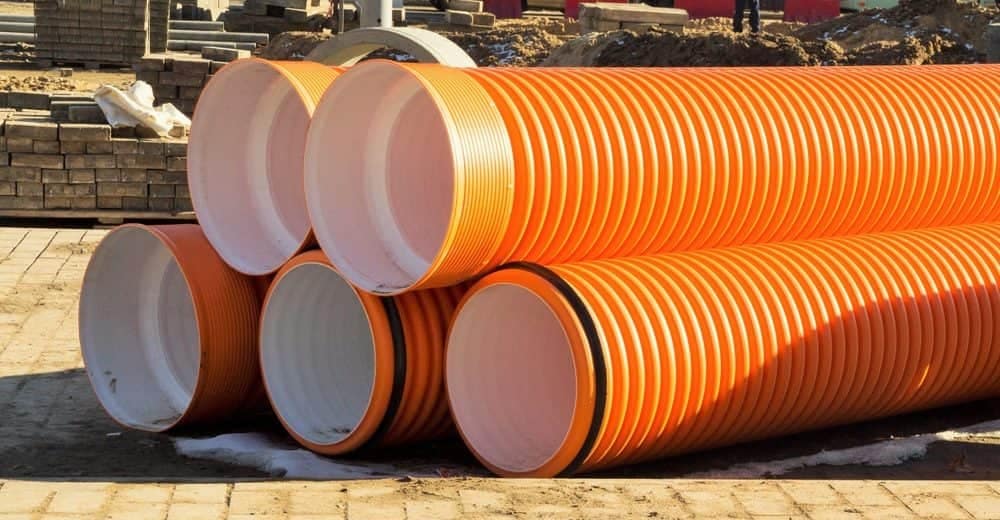









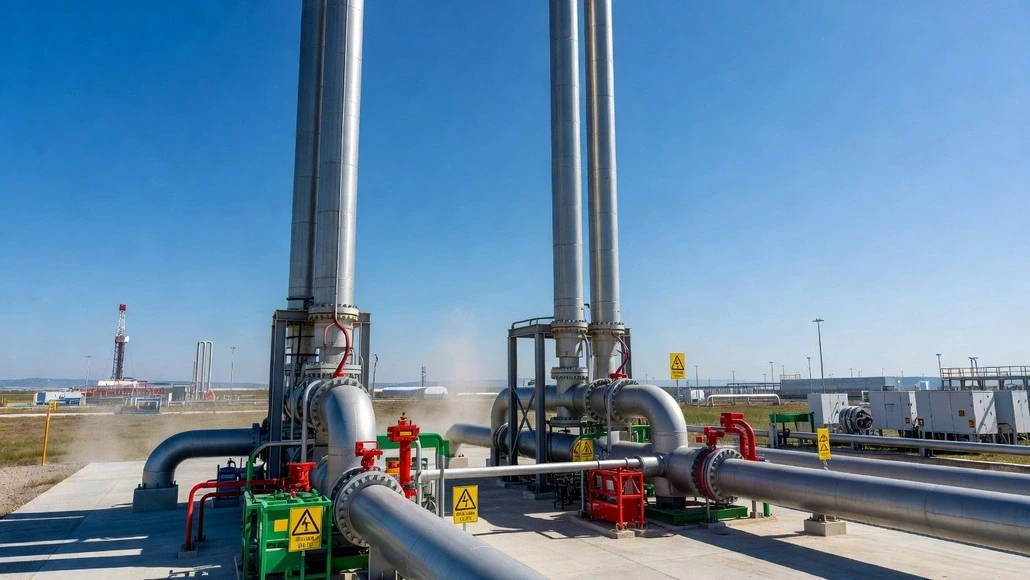
In the dynamic and high-cost environment of upstream oil and gas, the ability to rapidly access essential materials like casing and tubing is a critical factor in achieving operational efficiency. For years, the procurement of Oil Country Tubular Goods (OCTG) was a major bottleneck in the drilling process, with lead times for new mill orders often stretching into months. Today, the landscape is changing, and rapid tubular access enhances upstream efficiency by allowing operators to respond more quickly to market opportunities and field-level challenges. This immediate availability of materials reduces idle time for expensive drilling rigs, minimizes project delays, and allows for a more streamlined and cost-effective approach to well construction.
Having spent over fifteen years in the energy sector, I have witnessed the transformative power of supply chain speed. The traditional procurement model, while reliable, was often too rigid to keep pace with the rapid changes in drilling technology and project requirements. The shift toward more agile sourcing strategies, including the use of high-quality surplus inventory and regionally staged stock, has fundamentally altered the way upstream companies operate. This shift is not just about convenience; it is a strategic response to the increasing need for capital efficiency and faster cycle times in the global energy market.
Reducing Project Downtime and Rig Idle Time
The most direct impact of rapid tubular access is the reduction in non-productive time (NPT) for drilling rigs. A rig that is waiting for casing is a major drain on an operator’s budget, costing tens of thousands of dollars per day. By ensuring that the necessary tubulars are already on-site or can be delivered within a very short window, companies can maintain a continuous drilling operation. This “just-in-time” approach to material management is a key component of a high-efficiency upstream organization. In my experience, the ability to minimize rig downtime is one of the most effective ways to lower the overall cost per barrel produced.
Furthermore, rapid access allows for more flexible and responsive drilling schedules. If a project encounters unexpected geological conditions or a change in well design, the ability to quickly secure the appropriate casing and tubing is essential for maintaining momentum. Without this rapid access, an operator might be forced to suspend drilling for several months while waiting for a new mill order, leading to massive cost overruns and missed production targets. The ability to pivot quickly and source materials on short notice is a hallmark of a modern, agile upstream player that prioritizes speed and efficiency in all aspects of its operations.
Streamlining Procurement and Improving Capital Efficiency
Rapid tubular access also has a significant impact on the procurement process and capital efficiency. When operators have the confidence that they can access materials quickly, they can reduce the amount of capital tied up in long-term inventory. This shift from a “just-in-case” to a “just-in-time” inventory model frees up cash that can be reinvested in other value-generating activities, such as exploration or technology development. This financial flexibility is increasingly important in a volatile market where companies are under pressure to demonstrate strong returns and responsible capital management.
In addition, the procurement process itself becomes much more streamlined when speed is a priority. Instead of managing complex and long-term mill contracts, operators can tap into a global network of available inventory that is ready for immediate deployment. This responsiveness simplifies the sourcing process and reduces the administrative burden on procurement teams. In my fifteen years of observing supply chain trends, I have seen that the most efficient companies are those that leverage their supplier relationships to ensure rapid and reliable access to materials. This collaborative approach creates a more resilient and responsive supply chain that is better equipped to handle the demands of the modern oilfield.
Quality Assurance and Professional Material Sourcing
While speed is critical, it must never come at the expense of quality. Rapid tubular access must be supported by a robust quality assurance process that ensures every joint of casing and tubing meets the highest safety and performance standards. This involves rigorous third-party inspections, detailed documentation, and a thorough vetting of all suppliers. Professional sourcing partners play a vital role in this process by providing the technical expertise and oversight needed to ensure that even rapidly procured materials are of the highest quality. This commitment to safety and reliability is the foundation of any successful upstream operation.
For surplus inventory, which is a major source of rapid access, the inspection process is particularly thorough. Each piece is verified for its metallurgy, dimensions, and thread integrity before it is cleared for use in a well. This ensures that the use of surplus materials does not introduce any additional risk into the drilling program. In fact, many operators find that the high standards of the professional surplus market provide them with a degree of confidence that is equal to or even greater than that of mill-new products. By prioritizing quality and technical excellence, an efficient upstream organization can achieve the benefits of speed without compromising on safety or well integrity.
The Role of Regional Hubs and Optimized Logistics
The physical accessibility of tubular goods is also a key component of rapid access. Strategically located regional hubs allow for fast and reliable delivery of materials to the wellsite, often within 24 to 48 hours of an order being placed. This proximity reduces transit times and minimizes the risk of logistics-related delays. By staging inventory in areas of high activity, operators can create a more responsive and efficient distribution network that supports a higher tempo of drilling operations. This regional focus is a major factor in the overall enhancement of upstream efficiency.
Optimized logistics also involve the use of specialized handling equipment and transportation assets that are designed for the unique challenges of the oilfield. This includes heavy-duty trucking fleets and purpose-built trailers that can safely move large quantities of tubulars across rough terrain. When the logistics of material delivery are well-integrated into the overall drilling plan, the result is a more continuous and predictable workflow that maximizes the productivity of the entire field team. This logistical precision is the backbone of any operation that seeks to leverage rapid tubular access as a competitive advantage.
Building a Future-Ready Upstream Organization
As the energy industry continues to evolve, the importance of rapid tubular access will only increase. The move toward more complex well designs, deeper drilling, and unconventional reservoirs requires a more flexible and responsive approach to material management. Building a future-ready upstream organization involves investing in the right partnerships, adopting digital technologies for inventory tracking, and continuously seeking ways to improve the speed and efficiency of the supply chain. By making rapid access a core part of their operational strategy, companies can ensure that they are ready to meet the energy challenges of the future and continue to deliver value in a rapidly changing world.
In conclusion, rapid tubular access is a powerful driver of upstream efficiency, enabling operators to achieve faster cycle times, lower costs, and improved financial performance. By reducing rig downtime, streamlining procurement, and optimizing logistics, companies can create a more agile and resilient organization that is better equipped to handle the complexities of the modern oilfield. The transformation of the tubular supply chain is an ongoing process that requires a commitment to innovation, quality, and collaboration. For operators who are serious about leading the way in the next chapter of the energy story, the pursuit of rapid access is a critical step that will define their success in an increasingly competitive global market.
