















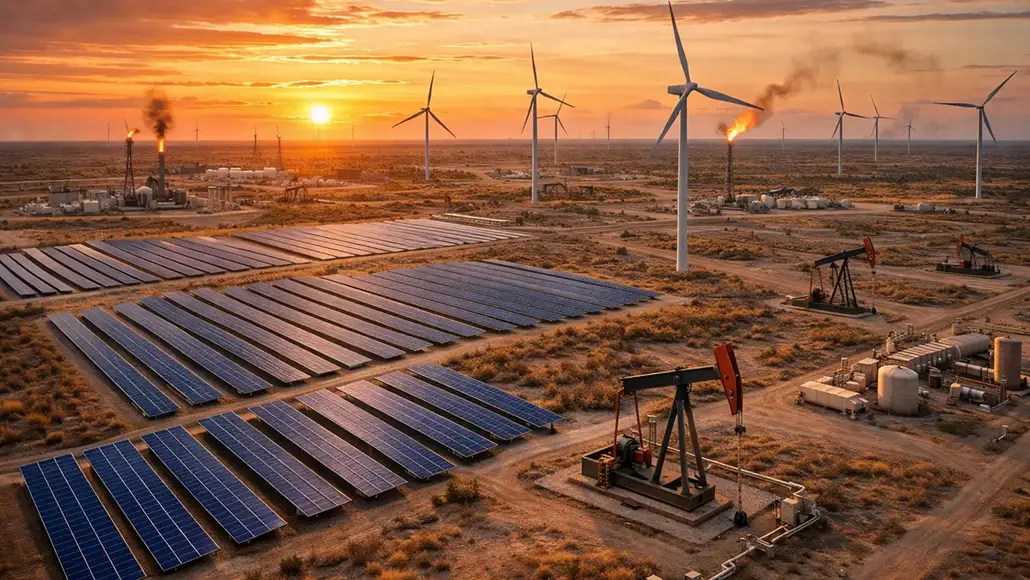
In a world increasingly focused on climate action and sustainable practices, the energy sector finds itself at a pivotal crossroads. Traditional paradigms are being scrutinised, and the imperative to reduce carbon footprints is no longer a distant aspiration but an immediate operational necessity. Within this evolving landscape, a transformative strategy known as oilfield electrification is gaining significant traction. This innovative approach involves powering oil and gas production sites, particularly in upstream operations, with electricity derived from renewable sources rather than conventional fossil fuels.
The notion of integrating renewable energy directly into the very heart of hydrocarbon extraction might seem counterintuitive to some, yet it represents a pragmatic and powerful pathway towards achieving substantial emission reductions. Indeed, oilfield electrification is advancing rapidly as renewables cut emissions, lower diesel use, and help upstream operators build cleaner, more efficient production sites. This strategic pivot is not merely an environmental consideration. it is a profound operational shift promising enhanced efficiency, reduced costs, and a strengthened social license to operate for an industry under immense pressure to decarbonize. Oil & Gas Advancement delves into the mechanisms, benefits, challenges, and the promising future of this critical development in energy production.
The Imperative for Decarbonizing Upstream Operations
The upstream segment of the oil and gas industry, encompassing exploration and production, is a significant contributor to global greenhouse gas emissions. These emissions primarily stem from several key sources: the combustion of diesel and natural gas for power generation, flaring of associated gas, fugitive methane emissions from equipment, and energy consumption for processes like compression and pumping. As global climate targets become more stringent and investor scrutiny intensifies through ESG (Environmental, Social, Governance) mandates, the pressure on operators to address these upstream emissions has never been greater.
Addressing the Diesel Dependency
For decades, many remote oilfields have relied on diesel generators as their primary power source. While reliable, diesel combustion releases substantial amounts of carbon dioxide (CO2), nitrogen oxides (NOx), particulate matter, and other pollutants into the atmosphere. The logistics of transporting diesel to these often inaccessible locations also adds to the operational cost and carbon footprint. Beyond direct emissions, the operational noise and local air pollution from these generators impact surrounding ecosystems and communities. Reducing or eliminating this diesel dependency is a fundamental step in achieving decarbonization in oil and gas.
The Burden of Flaring and Methane
Associated gas, often produced alongside oil, is frequently flared when gas gathering infrastructure is unavailable or uneconomical. Flaring, while preventing methane release (a potent greenhouse gas), still converts it into CO2, contributing significantly to global emissions. Furthermore, methane, from leaks in pipelines, valves, and compressors, represents another critical challenge. While not directly addressed by electrification, a stable and reliable power supply can enable advanced monitoring and mitigation technologies that reduce both flaring and fugitive emissions.
The Mechanics of Oilfield Electrification: Powering a Cleaner Future
At its core, oilfield electrification involves replacing fossil fuel-powered equipment and onsite generation with electric alternatives, drawing power from either the existing grid or, more significantly, from dedicated renewable-powered oilfields. This transition fundamentally alters the operational energy landscape.
Transitioning to Electric Power
The shift begins by converting key equipment from direct fossil fuel combustion or mechanical drives to electric motors. This includes pumps for artificial lift, compressors, drilling rigs, and various auxiliary systems. Once electrified, the challenge becomes sourcing this electricity sustainably.
Harnessing Renewable Energy for Oilfields
The true transformative power of oilfield electrification lies in its ability to leverage renewable energy sources. Several technologies are proving particularly effective in this context.
Solar Photovoltaics: Leveraging the Sun’s Bounty
Solar power is an increasingly viable option, especially in regions with ample sunlight. Large-scale solar arrays can provide significant electricity, often integrated with battery storage to ensure continuous power during night-time or low-light conditions. The modular nature of solar panels also allows for scalable solutions that can be adapted to various oilfield sizes and power demands.
Wind Turbines: Tapping into Natural Airflows
For locations with consistent wind resources, utility-scale or smaller distributed wind turbines can be highly effective. Similar to solar, wind power often benefits from battery storage to manage its inherent intermittency, ensuring a stable power supply for critical operations.
Geothermal Energy: A Constant Underground Resource
In specific geological regions, geothermal energy can offer a continuous, base-load power supply. This is particularly attractive for its reliability and minimal surface footprint, providing a steady stream of electricity independent of weather conditions.
Hybrid Systems and Microgrids: The Resilient Solution
For optimal reliability and to overcome the intermittency challenges of individual renewable sources, hybrid systems combining two or more technologies (e.g., solar and wind) with battery energy storage systems (BESS) are becoming the gold standard. These integrated systems form localized microgrids, capable of operating independently or grid-connected, providing stable, resilient, and clean upstream operations. These microgrids are smart, capable of managing power flow, optimizing consumption, and adapting to varying operational demands.
Tangible Benefits: Cutting Emissions and Boosting Efficiency
The advantages of oilfield electrification extend far beyond mere environmental compliance, offering a compelling business case for operators.
Direct Emissions Reduction: Beyond the Burn
The most immediate and profound benefit is the dramatic reduction in upstream emissions. By replacing diesel generators with renewable electricity, operators eliminate the combustion of fossil fuels on-site, leading to a direct cut in CO2, NOx, SOx, and particulate matter emissions. For example, a single megawatt of diesel generation can produce thousands of tons of CO2 annually; transitioning this to solar or wind power translates to substantial environmental gains. This is a crucial step towards building clean upstream operations.
Operational Cost Savings: A Sustainable Economic Edge
While the initial capital expenditure for renewable energy infrastructure can be substantial, the long-term operational cost savings are significant. Operators can reduce diesel use dramatically, mitigating volatile fuel price risks and eliminating the costly logistics associated with transporting fuel to remote sites. Furthermore, electric motors and renewable energy systems generally require less maintenance than internal combustion engines, leading to reduced operational expenditures and improved uptime.
Enhanced Reliability and Stability
Renewable energy microgrids, particularly when coupled with battery storage, can offer a more stable and reliable power supply compared to individual diesel generators. This stability reduces equipment downtime, enhances operational control, and can lead to improved production efficiency. The integration of advanced control systems within these microgrids allows for sophisticated load management and predictive maintenance, further boosting reliability.
Noise Reduction and Environmental Stewardship
Replacing noisy diesel generators with silent electric motors and renewable energy installations significantly reduces noise pollution at oilfield sites. This not only improves working conditions for personnel but also lessens the impact on local wildlife and nearby communities, contributing positively to oil and gas sustainability and strengthening the company’s social license to operate.
Navigating the Road Ahead: Challenges and Considerations
Despite its compelling advantages, the widespread adoption of oilfield electrification faces several hurdles that require strategic planning and investment.
Capital Expenditure and Financial Models
The upfront investment required for establishing renewable energy infrastructure, including solar panels, wind turbines, battery storage, and associated grid connections, can be considerable. Operators need robust financial models, potentially incorporating government incentives, carbon credits, or innovative financing structures, to make these projects economically attractive.
Intermittency and Energy Storage Solutions
Renewable energy sources like solar and wind are inherently intermittent. Ensuring a constant and reliable power supply requires sophisticated energy storage solutions, primarily large-scale battery systems. The cost and performance of these storage technologies continue to improve, but they remain a significant component of project costs. Research into alternative storage methods, such as green hydrogen, also holds promise for the future.
Remote Locations and Grid Connection
Many oilfields are located in extremely remote areas, far from existing grid infrastructure. Building new transmission lines can be prohibitively expensive and logistically challenging. This makes standalone microgrids powered by renewables a strong solution, but it also necessitates robust design and deployment capabilities. Where grid connection is feasible, it requires careful coordination with utility providers and potential grid upgrades.
Regulatory Frameworks and Incentives
Supportive government policies, including tax credits, subsidies, and clear regulatory frameworks for connecting renewable energy projects to existing infrastructure, are crucial for accelerating adoption. A stable and predictable regulatory environment encourages investment and reduces perceived risks for operators.
The Future Trajectory: A New Paradigm for Upstream
The momentum behind oilfield electrification is undeniable, driven by a confluence of environmental pressure, technological advancement, and economic opportunity. As the energy transition accelerates, the oil and gas industry is not merely adapting; it is actively transforming its operational DNA.
The trend points towards increasingly sophisticated renewable-powered oilfields that are not only low-carbon but also highly automated and digitally integrated. These next-generation production sites will leverage artificial intelligence and machine learning to optimize energy usage, predict maintenance needs, and manage complex microgrid systems with unparalleled efficiency. The goal is to create fully autonomous or semi-autonomous sites that require minimal human intervention, further enhancing safety and reducing operational costs.
This strategic shift represents more than just an engineering upgrade; it signifies a deeper commitment to oil and gas sustainability. By proactively reducing upstream emissions and embracing cleaner energy sources, the industry can demonstrate its vital role in the global energy mix while simultaneously contributing to a more sustainable future. The journey toward fully electrified, renewable-powered oilfields is complex, but the destination, cleaner operations, greater efficiency, and a reduced environmental footprint, is well within reach.
Conclusion
The imperative to address climate change and enhance operational efficiency has positioned oilfield electrification as a cornerstone strategy for the contemporary oil and gas industry. By systematically replacing fossil fuel-dependent power generation with renewable-powered oilfields, operators are making significant strides in cutting upstream emissions, dramatically reducing reliance on diesel, and building a foundation for clean upstream operations. While challenges such as high initial capital expenditure and the intermittency of renewables persist, ongoing technological advancements in energy storage and grid management, coupled with evolving financial models, are making these transitions increasingly viable and attractive.
Ultimately, oilfield electrification is not a peripheral initiative but a central pillar in the broader decarbonization in oil and gas efforts. It is a strategic investment that promises not only environmental benefits but also substantial operational cost savings, improved reliability, and a stronger position for the industry in a low-carbon economy. Oil & Gas Advancement believes that as the world progresses towards a more sustainable energy future, the electrification of oilfields stands out as a powerful testament to the industry’s capacity for innovation and its commitment to responsible resource development.
