



















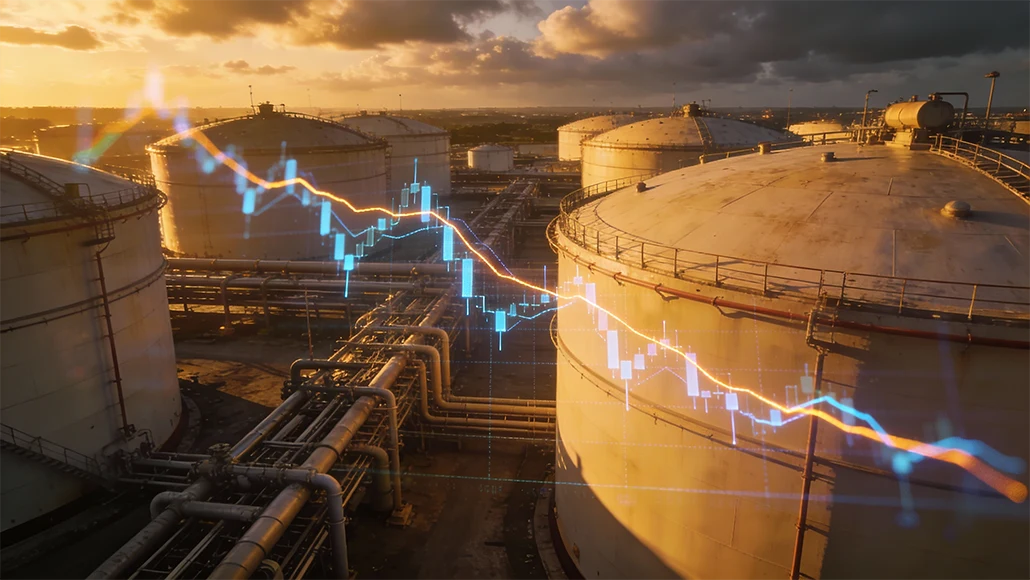
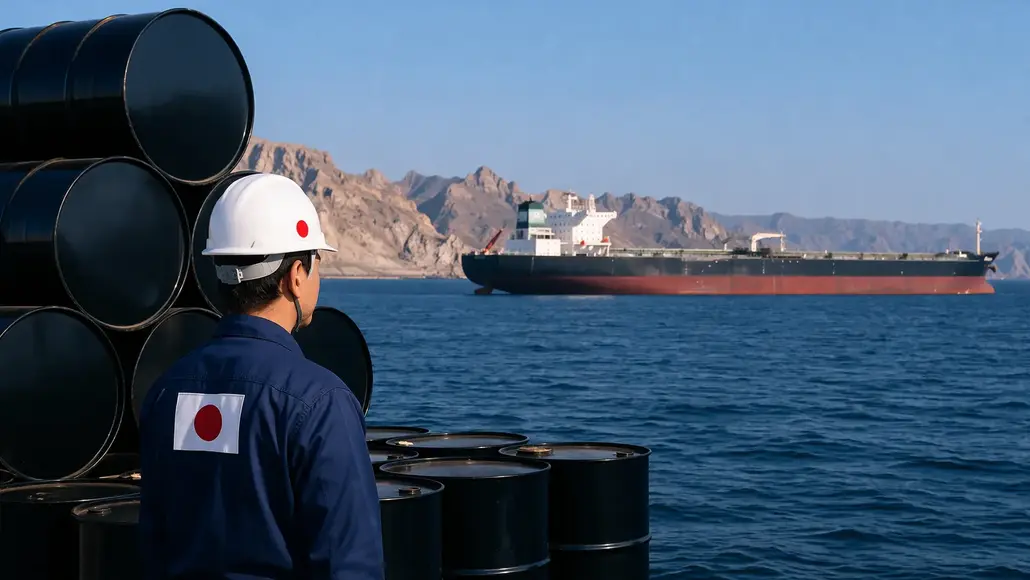
Japan is preparing a second drawdown from its oil reserves since the US-Israel war on Iran began in February, underscoring the country’s vulnerability to disruptions in Middle East supply. The move follows last month’s unprecedented release of 50 days’ worth of crude, approved by Japanese PM Sanae Takaichi in an effort to curb a surge in prices. Building on that earlier intervention, the government is now planning a further release aimed at maintaining stability in energy markets. “To ensure the stable supply of crude oil, we will release starting in early May the equivalent of roughly 20 days’ worth [of oil] from the national reserves,” Takaichi said at a ministerial meeting held to discuss the conflict. This latest decision highlights Japan’s continued reliance on oil reserves to shield its economy from external shocks.
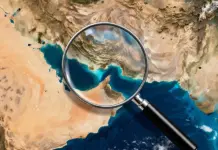
Despite maintaining a substantial buffer of 230 days’ worth of supply, Japan remains highly exposed due to its heavy dependence on imports, with 95% of its crude oil sourced from the Middle East. A significant portion of these shipments passes through the strategically sensitive strait of Hormuz, creating ongoing uncertainty for policymakers. Of the country’s oil reserves, 143 days’ worth are held by the state, while the remainder is split between private companies and oil-producing nations in the Gulf. In response to the evolving situation, authorities are accelerating efforts to diversify supply chains. By May, Japan expects to secure more than half of its imports via alternative routes, though Takaichi did not elaborate on specifics. Potential supply hubs include Yanbu on Saudi Arabia’s Red Sea coast and the Port of Fujairah in the United Arab Emirates, alongside outreach to suppliers in the US, Malaysia, central Asia, Latin America and Africa.
Domestically, the government has instructed suppliers to prioritize distribution of stockpiled fuel to critical sectors such as healthcare, transportation and agriculture. The renewed reliance on oil reserves also comes amid mounting political pressure at home. Public opposition to deeper involvement in the conflict has intensified, with more than 100 demonstrations staged nationwide on Wednesday. Around 30,000 people gathered outside the National Diet building, many holding banners supporting the war-renouncing article 9 of the constitution. The protests reflect broader concerns that Japan could be drawn into the crisis, particularly as scrutiny grows over Takaichi’s political stance and legislative influence.
The geopolitical backdrop has further complicated Japan’s response. A two-week conditional ceasefire announced by Donald Trump has raised questions over whether the strait of Hormuz will fully reopen, prompting Tokyo to hedge against prolonged disruption. At the same time, Takaichi has resisted external pressure to deploy Japanese Maritime Self-Defence Forces to the region, citing constitutional constraints. Her refusal of a direct request last month drew criticism from Trump, who has also rebuked South Korea for remaining on the sidelines. As uncertainty persists, Japan’s strategic use of oil reserves continues to play a central role in balancing energy security with political and diplomatic considerations.
