















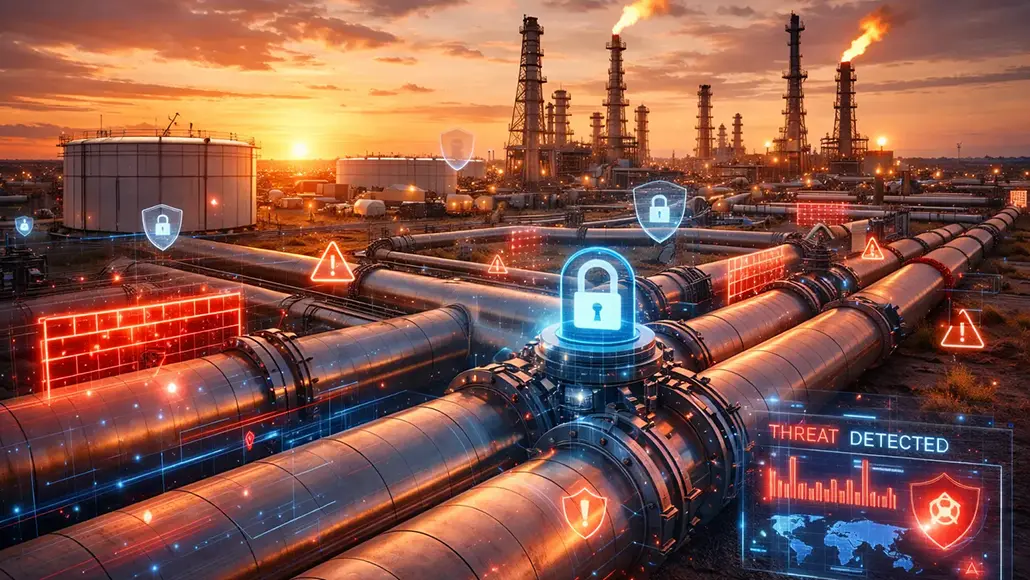
In an age where information flows as freely as oil and gas through vast networks, the safeguarding of critical infrastructure, particularly pipelines, has transcended traditional physical measures to embrace a complex digital frontier. The concept of pipeline security in the modern era is fundamentally intertwined with the pervasive and evolving landscape of cyber threats, demanding an equally sophisticated response through smart pipeline monitoring systems. This isn’t merely an upgrade. It’s a complete reimagining of defense strategies for an industry vital to global energy supply. Operators now face a dual challenge: protecting physical assets from sabotage and guarding their increasingly interconnected operational technology (OT) systems from insidious digital assaults.
The operational backbone of pipeline networks, supervisory control and data acquisition (SCADA) systems, programmable logic controllers (PLCs) and distributed control systems (DCS) were historically designed for reliability and efficiency, often with little consideration for external digital threats. These systems were typically air-gapped, isolated from external networks, and managed by proprietary protocols. However, Oil & Gas Advancement notes that the relentless march of digital transformation, driven by demands for greater efficiency, remote operations, and data-driven insights, has seen these once-isolated environments become increasingly integrated with corporate IT networks and the broader internet. While this connectivity offers tremendous benefits in terms of operational visibility and control, it simultaneously opens a plethora of vulnerabilities, exposing pipelines to cyber threat to pipelines that were once unimaginable.
The Evolving Landscape of Pipeline Vulnerabilities
For decades, pipeline security primarily revolved around preventing physical damage, whether from accidental excavation, natural disasters, or intentional sabotage. Patrols, fences, pressure sensors, and leak detection systems were the vanguard of defense. While these remain crucial components, the modern threat matrix has broadened dramatically. Malicious actors, ranging from state-sponsored entities and organized crime syndicates to hacktivists and disgruntled insiders, now actively probe for digital weaknesses. Their motivations vary from espionage and intellectual property theft to direct operational disruption, extortion, and even geopolitical destabilization. The very connectivity that enables remote management and predictive maintenance also serves as an Achilles’ heel, offering an entry point for those seeking to compromise control systems, manipulate data, or bring operations to a halt.
The consequences of a successful cyber attack on pipeline infrastructure are far-reaching and potentially catastrophic. Beyond the immediate financial losses from operational downtime and remediation, such incidents can lead to environmental disasters, supply chain disruptions causing energy shortages, significant reputational damage, and even threats to public safety. The colonial pipeline attack in 2021 served as a stark, real-world demonstration of how a ransomware attack targeting IT systems could force the shutdown of a major fuel pipeline, triggering widespread panic buying and highlighting the profound interdependencies between IT and OT environments. This incident underscored that pipeline cybersecurity is no longer a niche concern but a mainstream imperative for critical infrastructure protection.
The Insidious Nature of Cyber Threats to Pipelines
Understanding the nature of cyber threats to pipelines is the first step towards robust defense. These aren’t always brute-force attacks; often, they are sophisticated, multi-stage campaigns designed for stealth and persistence. Adversaries might gain initial access through phishing emails targeting employees, exploiting unpatched software vulnerabilities, or compromising third-party vendors with network access. Once inside, they move laterally, mapping the network, escalating privileges, and eventually targeting critical OT systems. Common threats include:
- Ransomware: Encrypting systems and demanding payment, as seen with Colonial Pipeline.
- Malware and Viruses: Designed to disrupt, disable, or steal data.
- Denial-of-Service (DoS) Attacks: Overwhelming systems to make them unavailable.
- Insider Threats: Malicious or negligent actions by authorized personnel.
- State-Sponsored Attacks: Highly sophisticated and persistent threats aimed at espionage or disruption, often targeting national oil and gas cyber risk profiles.
The unique characteristics of OT environments, legacy systems, real-time operational demands, and specialized protocols, present distinct challenges for industrial control systems industrial control systems security. Traditional IT security tools are often incompatible or disruptive to these sensitive systems. Therefore, a specialized approach to pipeline cybersecurity is essential, one that respects operational integrity while fortifying digital defenses against an increasingly aggressive threat landscape.
The Rise of Smart Pipeline Monitoring Systems
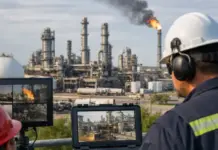
In response to these escalating digital dangers, smart pipeline monitoring systems are emerging as indispensable guardians. Moving beyond traditional sensor networks, these advanced systems leverage the Internet of Things (IoT), artificial intelligence (AI), machine learning (ML), and sophisticated data analytics to provide unparalleled visibility and proactive threat detection. They integrate data from an array of sources, including pressure and flow sensors, leak detection systems, fiber optic cables, satellite imagery, drones, and crucially, network traffic logs and system events from OT and IT environments.
The core strength of digital pipeline monitoring lies in its ability to detect anomalies in real-time. This isn’t just about identifying a sudden pressure drop that might indicate a physical leak; it’s also about flagging unusual network activity, unauthorized login attempts, configuration changes to PLCs, or deviations from normal operational parameters that could signal a cyber intrusion. Machine learning algorithms, trained on vast datasets of normal operating conditions, can identify subtle patterns indicative of an attack that might evade human operators or rule-based detection systems. For instance, an algorithm might flag an unusual sequence of commands being sent to a valve controller or atypical data flow between a SCADA server and a remote terminal unit, even if the individual actions appear benign in isolation.
The holistic nature of these systems means they can correlate physical events with digital indicators. If a physical intrusion alarm triggers in a remote pumping station, smart monitoring can simultaneously check for network activity in that location, unusual access attempts, or modifications to control systems. This integrated approach provides a much clearer, more comprehensive picture of potential threats, whether physical or cyber, enabling faster and more informed response.
Integrating AI and Machine Learning for Enhanced Vigilance
The true intelligence behind modern smart pipeline monitoring systems comes from the integration of artificial intelligence and machine learning. These technologies are transformative for pipeline security because of these advantages.
- Baseline Normal Behavior: AI technologies can continuously learn and establish a baseline of “normal” operational behavior for every component of the pipeline system, from pump cycles to network traffic patterns.
- Detect Anomalies: It can instantly identify deviations from these baselines, which could indicate a physical fault, a cyber attack, or even predictive indicators of equipment failure. This is crucial for detecting cyber threats to pipelines that might try to mimic legitimate activity.
- Reduce False Positives: By learning and adapting, AI can significantly reduce the number of false alarms that often plague traditional rule-based security systems, allowing human operators to focus on genuine threats.
- Predictive Analytics: Beyond detection, some advanced systems can use predictive analytics to forecast potential vulnerabilities or areas of high oil and gas cyber risk, based on historical data and threat intelligence.
- Automated Response: In some highly controlled environments, AI can even trigger automated responses, such as isolating a compromised network segment or initiating a system shutdown procedure in a safe and controlled manner.
This level of intelligent monitoring transforms reactive security postures into proactive and predictive ones. It allows operators to anticipate potential issues, whether a failing pump or an impending cyber attack, and take preventative action, significantly enhancing overall pipeline cybersecurity and critical infrastructure protection.
A Multi-layered Approach to Pipeline Cybersecurity
While smart pipeline monitoring systems are powerful tools, they are just one component of a comprehensive pipeline security strategy. Effective defense against cyber threats to pipelines requires a multi-layered approach that encompasses technology, policy, people, and collaboration:
- Robust Network Segmentation: Isolating critical OT networks from IT networks and further segmenting within OT to limit the lateral movement of attackers. This reduces the attack surface and helps contain breaches.
- Strong Access Controls: Implementing strict least-privilege access policies, multi-factor authentication, and continuous monitoring of user activities, especially for industrial control systems security.
- Patch Management and Vulnerability Assessments: Regularly identifying and patching software vulnerabilities in both IT and OT systems, while understanding the complexities of patching legacy OT components.
- Incident Response Planning: Developing and regularly testing detailed incident response plans for cyber attacks, ensuring that teams know how to detect, contain, eradicate, and recover from a breach.
- Threat Intelligence Sharing: Collaborating with industry peers, government agencies, and cybersecurity organizations to share information on emerging threats, attack methodologies, and defensive strategies to bolster critical infrastructure protection.
- Physical Security Integration: Ensuring that physical security measures complement digital pipeline monitoring, as a physical breach can often precede or accompany a cyber attack.
The Human Element and Training
No amount of advanced technology can completely negate the human element in pipeline security. Human error, whether accidental or malicious, remains a significant vulnerability. Therefore, continuous and comprehensive cybersecurity training for all personnel, from field operators to senior management, is paramount. This training should cover phishing awareness, secure operational practices, understanding oil and gas cyber risk, and how to recognize and report suspicious activities. Cultivating a strong security-first culture is just as important as deploying the latest smart pipeline monitoring solutions. Empowering employees with the knowledge and tools to be the first line of defense turns a potential weakness into a formidable strength.
Regulatory Imperatives and Industry Collaboration
Governments worldwide recognize the strategic importance of pipeline security and are increasingly implementing stringent regulations and standards. Compliance with frameworks like NIST CSF, ISA/IEC 62443, and specific regional directives is becoming mandatory, driving operators to invest in robust pipeline cybersecurity measures. These regulations often mandate vulnerability assessments, incident reporting, and the implementation of advanced security controls, thereby elevating the baseline of critical infrastrucuture protection.
Furthermore, industry collaboration is key. The energy sector’s interconnectedness means that a weakness in one organization can potentially impact others. Sharing threat intelligence, best practices, and lessons learned through industry forums and public-private partnerships fosters a collective defense posture against common adversaries. This collaborative spirit ensures that the entire ecosystem benefits from shared knowledge, accelerating the adoption of effective smart pipeline monitoring and digital pipeline monitoring technologies.
Conclusion
The digital age has irrevocably altered the landscape of pipeline security. While traditional threats persist, the rise of sophisticated cyber theats to pipelines demands a paradigm shift in how these vital assets are protected. Smart pipeline monitoring systems, powered by IoT, AI, and machine learning, are no longer luxuries but essential components of a robust defense strategy. By providing real-time visibility, intelligent anomaly detection, and predictive capabilities, these systems empower operators to anticipate and neutralize threats with unprecedented speed and precision. However, technology alone is not a panacea. Oil & Gas Advancement believes a that truly resilient pipeline cybersecurity framework integrates advanced digital pipeline monitoring with strong policies, continuous training, and collaborative intelligence sharing. Only through this holistic, adaptive, and human-centric approach can we effectively safeguard the integrity of our energy infrastructure against the ever-evolving array of digital adversaries, ensuring the continuous flow of energy and the protection of our future.
