






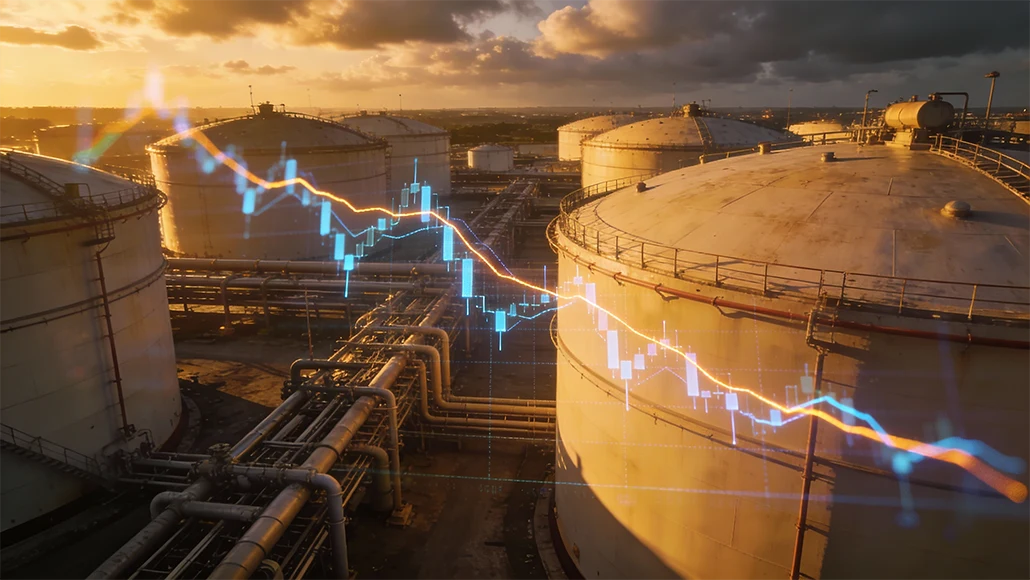
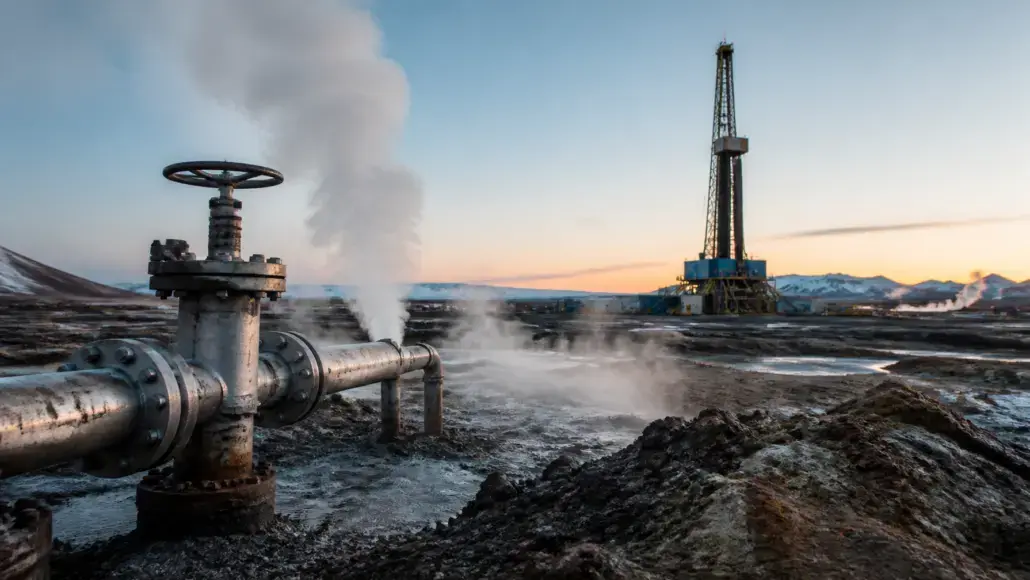
The global energy landscape is undergoing a profound shift as the world seeks to balance the immediate need for reliable fuel with the long-term imperative of sustainability. For the oil and gas industry, this transition presents both a challenge and an opportunity to redefine its operational core. One of the most promising avenues for this evolution is the integration of geothermal energy in oil exploration. Often viewed as separate sectors, geothermal and petroleum exploration actually share a deep technical lineage. Both rely on understanding the Earth’s subsurface, drilling deep wells, and managing high-pressure, high-temperature reservoirs. By treating geothermal energy as an adjunct technology, the industry can leverage its existing expertise to create more sustainable and efficient energy systems.
The synergy between these two fields begins with the realization that many mature oil fields are also significant sources of heat. Every day, millions of barrels of hot water are produced alongside oil and gas. In traditional operations, this produced water is often seen as a waste product to be disposed of. However, through the lens of geothermal energy in oil exploration, this hot water represents a valuable energy source. Oil & Gas Advancement notes that by installing binary-cycle power plants at the wellhead, operators can harness the thermal energy from the water to generate electricity. This power can be used to run on-site equipment, reducing the field’s carbon footprint and lowering operational costs, or it can be sold back to the grid.
Leveraging Subsurface Expertise for Geothermal Development
The most significant barrier to geothermal energy has always been the high cost and risk of exploration and drilling. This is precisely where the oil industry excels. Geothermal energy in oil oxploration benefits from decades of data collected during petroleum surveys. Thousands of abandoned or unproductive oil wells could potentially be repurposed for geothermal production. Instead of decommissioning these assets at a high cost, companies can evaluate their thermal potential. This reservoir assessment process uses the same seismic and petrophysical tools that geologists use to find oil, making the transition from carbon project to a thermal project relatively seamless.
Furthermore, the technological advancements in drilling—such as horizontal drilling and hydraulic fracturing—that revolutionized the shale industry are now being applied to Enhanced Geothermal Systems (EGS). EGS involves creating artificial reservoirs in hot, dry rock where natural permeability is low. By utilizing the same techniques refined through geothermal energy in oil exploration, engineers can create the necessary fractures to circulate water and extract heat. This cross-pollination of technology not only accelerates the growth of geothermal energy but also provides oil companies with a viable path to diversify their portfolios while staying true to their core competencies in subsurface engineering.
Sustainable Practices and Hybrid Energy Systems
The integration of geothermal energy is not just about power generation; it is about adopting more sustainable practices across the entire exploration lifecycle. Hybrid systems that combine traditional oil production with geothermal heating can significantly improve the efficiency of heavy oil recovery. In many cases, steam or hot water must be injected into reservoirs to lower the viscosity of the oil. Instead of burning natural gas to heat this water, Geothermal Energy in Oil Exploration allows operators to use the Earth’s natural heat. This approach reduces greenhouse gas emissions and makes projects more economically resilient to fluctuations in fuel prices.
Moreover, the co-development of these resources can lead to shared infrastructure. Roads, pipelines, and power lines built for an oil project can serve a geothermal plant, and vice versa. This holistic approach to resource management is a key component of the modern energy transition. Geothermal energy in oil exploration encourages a circular mindset where heat is captured and reused at every stage. As governments increasingly implement carbon taxes and environmental regulations, the ability to demonstrate a lower-carbon intensity through geothermal integration becomes a significant competitive advantage for oil and gas firms.
Case Studies: Successful Geothermal-Oil Co-Production
A notable example of geothermal energy in oil exploration in action is the project at the Huabei Oilfield in China. By utilizing the thermal energy from produced water, the field operators were able to generate enough electricity to power a portion of the field’s infrastructure, significantly reducing their reliance on the local grid. Similarly, in the United States, projects funded by the Department of Energy have demonstrated the feasibility of using existing oil and gas wells for geothermal power in several regions. These case studies prove that the technology is ready for commercial scale and that the waste heat of the oil industry is a massive untapped resource.
In Germany, the Molasse Basin serves as a prime example of how petroleum exploration data can jumpstart a geothermal industry. Decades of oil and gas exploration provided a detailed map of the region’s deep aquifers, which are now being used for district heating and power generation. This transition highlights the value of geothermal energy in oil exploration as a way to repurpose the intellectual property of the energy sector. By turning old dry holes into new geothermal wells, companies can recoup some of their historical exploration costs while contributing to the energy transition.
Challenges in Scaling Geothermal-Oil Integration
Despite the clear potential, several hurdles remain in the widespread adoption of geothermal energy in oil exploration. The chemistry of produced water can be highly corrosive and prone to scaling, which can damage geothermal heat exchangers and turbines. Managing these fluids requires specialized materials and chemical treatments, adding to the complexity of the project. Furthermore, the temperature of produced water is often lower than what is ideal for traditional geothermal power plants, requiring the use of Organic Rankine Cycle (ORC) technology, which has lower efficiency and higher capital costs.
There are also regulatory and legal challenges. In many jurisdictions, the mineral rights for oil and gas are separate from the rights to geothermal heat. This can create complex ownership and permitting issues for companies looking to develop hybrid systems. Geothermal energy in oil exploration requires a supportive policy environment that recognizes the value of waste heat and provides incentives for its recovery. Addressing these non-technical barriers is just as important as the engineering challenges if the industry is to successfully integrate these two energy sources at scale.
Future Outlook: The Convergence of Geo-Resources
As we look to the future, the distinction between an oil company and an energy company will continue to blur. The expertise required to manage a geothermal reservoir is remarkably similar to that required for a petroleum reservoir. Geothermal energy in oil exploration is a natural extension of the industry’s historical mission to provide the energy that powers society. Oil & Gas Advancement believes that by investing in geothermal research and development, companies are not just preparing for a world with less oil; they are actively building the infrastructure for a more diverse and stable energy grid.
The potential for geothermal energy in oil exploration to act as a stabilizing force in the energy market is substantial. Unlike wind and solar, geothermal provides base-load power that is independent of weather conditions. This reliability is highly valued by grid operators and industrial consumers.
