




The Appalachia region, home to the massive Marcellus and Utica shale formations, has long been a cornerstone of American energy production. However, as the industry enters the latter half of the 2020s, a new technological wave is sweeping across the rugged hills of Pennsylvania, West Virginia, and Ohio. Oil & Gas Advancement notes that the adoption of electric fracturing (E-frac) technology is fundamentally reshaping the way shale gas is extracted, replacing the roar of massive diesel engines with the humming efficiency of high-powered electric motors. This transition is not merely a technical swap. It is a strategic response to the dual pressures of environmental sustainability and economic competitiveness. In an area where community relations and operational costs are critical, electric fracturing represents the future of responsible energy development.
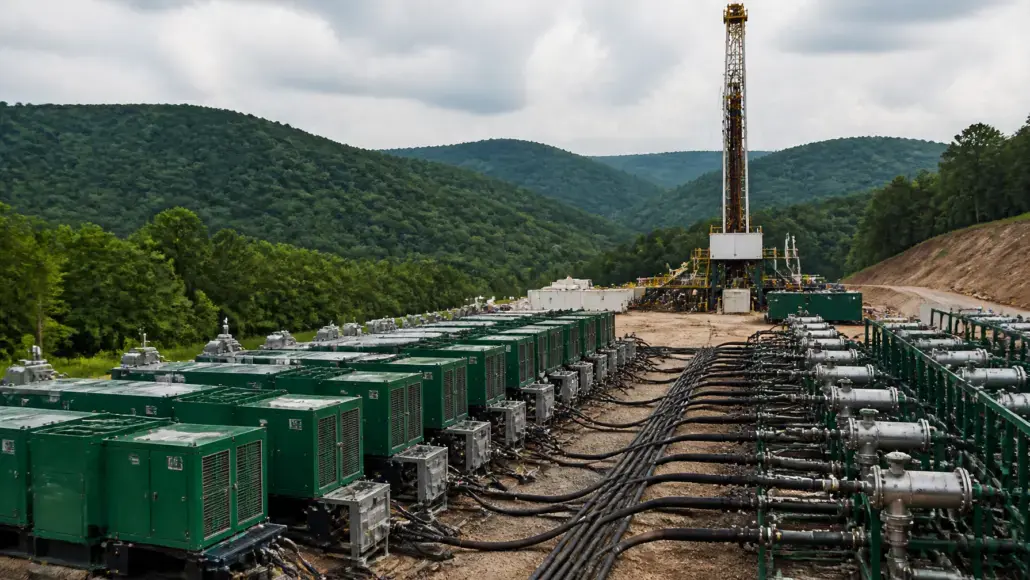
For decades, hydraulic fracturing was powered by massive fleets of diesel-driven pumps, which consumed thousands of gallons of fuel daily and produced significant carbon emissions and noise. Today, the move toward E-Frac technology is changing that narrative. By utilizing natural gas turbines or direct grid connections to power electric motors, operators are drastically reducing their carbon footprint while simultaneously lowering their fuel costs by utilizing the very gas they are producing on-site. This circular approach to energy consumption is a hallmark of the modern shale industry in Appalachia, showcasing a commitment to efficiency that resonates with both investors and local residents.
The Mechanical and Operational Advantages of Electric Power
The shift to electric power provides significant mechanical advantages over traditional internal combustion engines. Electric motors have fewer moving parts, which translates to higher reliability and lower maintenance costs. Unlike diesel engines, which must be carefully warmed up and have complex fuel delivery systems that are prone to failure in extreme weather, electric motors can be started and stopped almost instantly. This responsiveness is critical for the high-pressure environment of hydraulic fracturing, where precise control over the pumping rate is essential for optimal reservoir stimulation. The ability of e-frac fleets to maintain a steady, vibration-free output also extends the lifespan of the high-pressure fluid ends, further reducing the total cost of ownership.
Fuel Displacement and Local Gas Utilization
One of the most compelling economic arguments for E-Frac technology in Appalachia is the displacement of expensive diesel fuel. A traditional frac fleet can consume millions of dollars in diesel over its lifetime. In contrast, an e-frac fleet can be powered by field gas—natural gas produced directly from the wellsite or a nearby pipeline. By using a natural gas turbine to generate electricity, operators can save up to 90% on fuel costs. This is particularly advantageous in the Appalachia basin, where natural gas is abundant and often trades at a discount compared to other regions. The ability to use a low-cost, local resource to power the extraction process creates a powerful economic engine for the region.
Noise Reduction and Community Impact
Appalachia’s unique geography, with its deep valleys and close-knit communities, makes noise pollution a significant operational challenge. Traditional diesel fleets can be heard for miles, leading to friction with local residents and limitations on nighttime operations. E-Frac technology offers a dramatic solution to this problem. Electric motors are significantly quieter than diesel engines, reducing the noise levels at the wellsite boundary by up to 30 decibels. This allows for more flexible scheduling and a smaller noise footprint, fostering better relationships with the community. For many operators in the Marcellus, the ability to operate stealthily is as much a competitive advantage as the fuel savings themselves.
Environmental Stewardship and Carbon Emission Reduction
As energy companies face increasing pressure to meet ESG (Environmental, Social, and Governance) targets, E-Frac technology has become a vital tool in the decarbonization toolkit. By eliminating the combustion of diesel, an e-frac fleet can reduce site-level CO2 emissions by several thousand tons per year. Furthermore, modern natural gas turbines used in these fleets are equipped with advanced emission control systems that minimize the output of nitrogen oxides (NOx) and particulate matter. This contributes to better air quality in the Appalachia region and aligns the industry with the broader global transition toward a lower-carbon economy.
Methane Mitigation and Turbine Efficiency
The natural gas turbines that power e-frac fleets are not only cleaner than diesel engines but also more efficient. Many of these units are derived from aerospace technology, offering high power-to-weight ratios and the ability to operate on a wide variety of fuel compositions. Furthermore, the integration of these turbines at the wellsite provides an opportunity for methane mitigation. Instead of flaring excess gas during the initial stages of production, that gas can be captured and used to power the fracturing process. This dual-purpose utility—power generation and emission reduction—is a key factor in the rapid adoption of e-frac fleets across the Appalachia basin.
The Role of Microgrids and Grid Integration
Looking forward, the next step in the evolution of e-frac is the integration of wellsite microgrids and direct connections to the electrical grid. In areas with existing power infrastructure, operators are increasingly looking to plug in their fracturing fleets, further reducing the need for on-site power generation. This not only lowers emissions even further but also provides a more stable and predictable power source. The development of portable, high-voltage substations that can be moved from wellsite to wellsite is a major focus of innovation, allowing the industry to leverage the growing amount of renewable energy on the regional grid.
Digital Integration and the Smart Wellsite
E-Frac technology is inherently more compatible with digital control systems than diesel-powered equipment. The precise electrical signals used to control the motors can be integrated directly into autonomous fracturing software, allowing for millisecond-level adjustments to the pumping process. This synergy between electric power and digital autonomy is creating the Smart Wellsite of the future. In Appalachia, where geological conditions can vary significantly between adjacent wells, the ability to fine-tune the fracturing process using high-speed electric pumps is leading to more consistent well performance and higher ultimate recoveries.
Operational Safety and the Red Zone
Safety is another area where E-Frac technology excels. By eliminating the need for high-pressure fuel lines and large quantities of flammable diesel on-site, the risk of fires and spills is significantly reduced. Furthermore, the modular design of e-frac fleets often leads to a cleaner, more organized wellsite layout, reducing the risk of slips, trips, and falls. The ability to monitor and control the entire fleet from a remote, climate-controlled van moves personnel away from the high-pressure red zone, creating a much safer working environment for the specialized crews who operate these complex systems.
Challenges in Infrastructure and Capital Expenditure
Despite its many advantages, the transition to E-Frac technology is not without its hurdles. The initial capital expenditure for an electric fleet is significantly higher than that of a traditional diesel fleet. Furthermore, the logistics of moving large natural gas turbines and high-voltage cabling across the steep terrain of Appalachia can be challenging. Operators must also ensure a consistent and high-quality supply of fuel gas, which may require additional on-site processing equipment. However, for those with a long-term commitment to the region, the operational savings and environmental benefits far outweigh these initial challenges, as evidenced by the growing number of e-frac units active in the field today.
Conclusion: A New Era for Appalachia Shale
In conclusion, the rise of E-Frac technology represents a transformative moment for the Appalachia shale industry. Oil & Gas Advancement believes that by aligning economic efficiency with environmental responsibility, electric fracturing is providing a sustainable path forward for energy production in one of the world’s most important gas basins. The shift away from diesel is not just a trend. It is a fundamental evolution in the way we think about oilfield operations. As the industry continues to innovate, the hum of electric motors will become the defining sound of a modern, responsible, and highly efficient energy sector. For the people of Appalachia, this means cleaner air, quieter hills, and a robust energy economy that is built to last. This is the promise of e-frac: a future where the power of electricity and the abundance of natural gas come together to create a cleaner and more prosperous world.
This evolution is a commitment to precision and excellence, ensuring that the Appalachia shale industry remains a pillar of global energy, driven by the unwavering pursuit of efficiency and the transformative power of electric innovation. By investing in these advanced systems today, operators are not only securing their own economic future but are also contributing to a more sustainable and resilient energy landscape for generations to come. The era of the electric oilfield is no longer a distant possibility. It is a present reality that is redefining the very nature of energy production in the heart of the American shale revolution. Through the continuous improvement of E-Frac technology, the industry is proving that it can meet the world’s energy needs while upholding the highest standards of environmental and social responsibility.
